Turkey’s annual inflation rate of 31.5% in August keeps the economy trapped in a costly balancing act: policymakers still need tight monetary conditions to restore price stability, while businesses and households continue to absorb some of the region’s highest living-cost pressures.
Turkey Inflation at 31.5% in August
That reading, highlighted by Yüksel Okşak at the BİSAG meeting in Bursa, matters because inflation at that level does more than erode real incomes. It raises borrowing costs, complicates investment plans and keeps the lira-sensitive parts of the economy — especially importers, manufacturers and smaller firms reliant on credit — under strain. Okşak said energy and food costs, together with financing conditions, remain central to the inflation fight, a reminder that Turkey’s price problem is as much about external dependence as domestic demand.
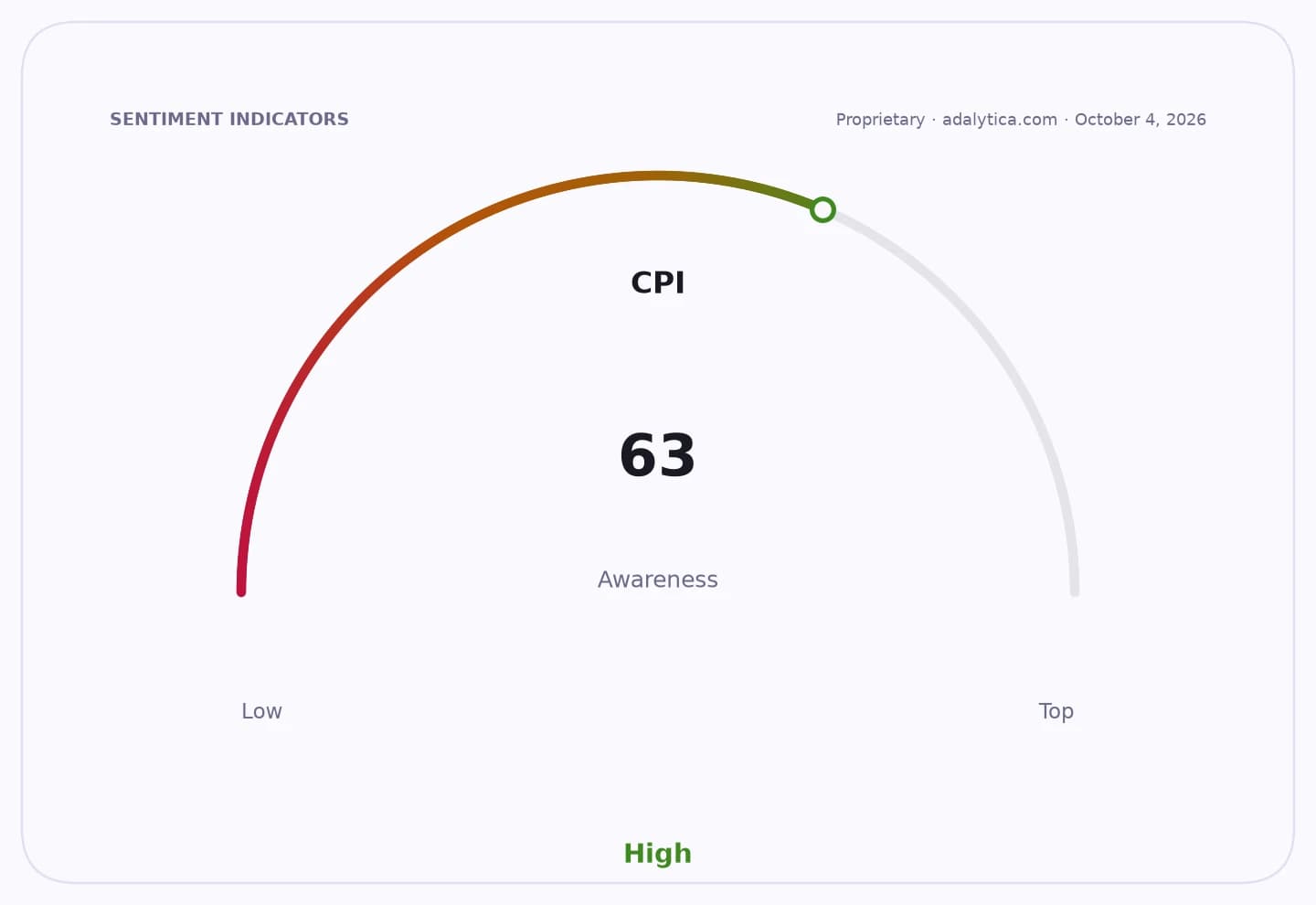
Sentiment IndicatorsⓘProprietary · adalytica.com · October 4, 2026
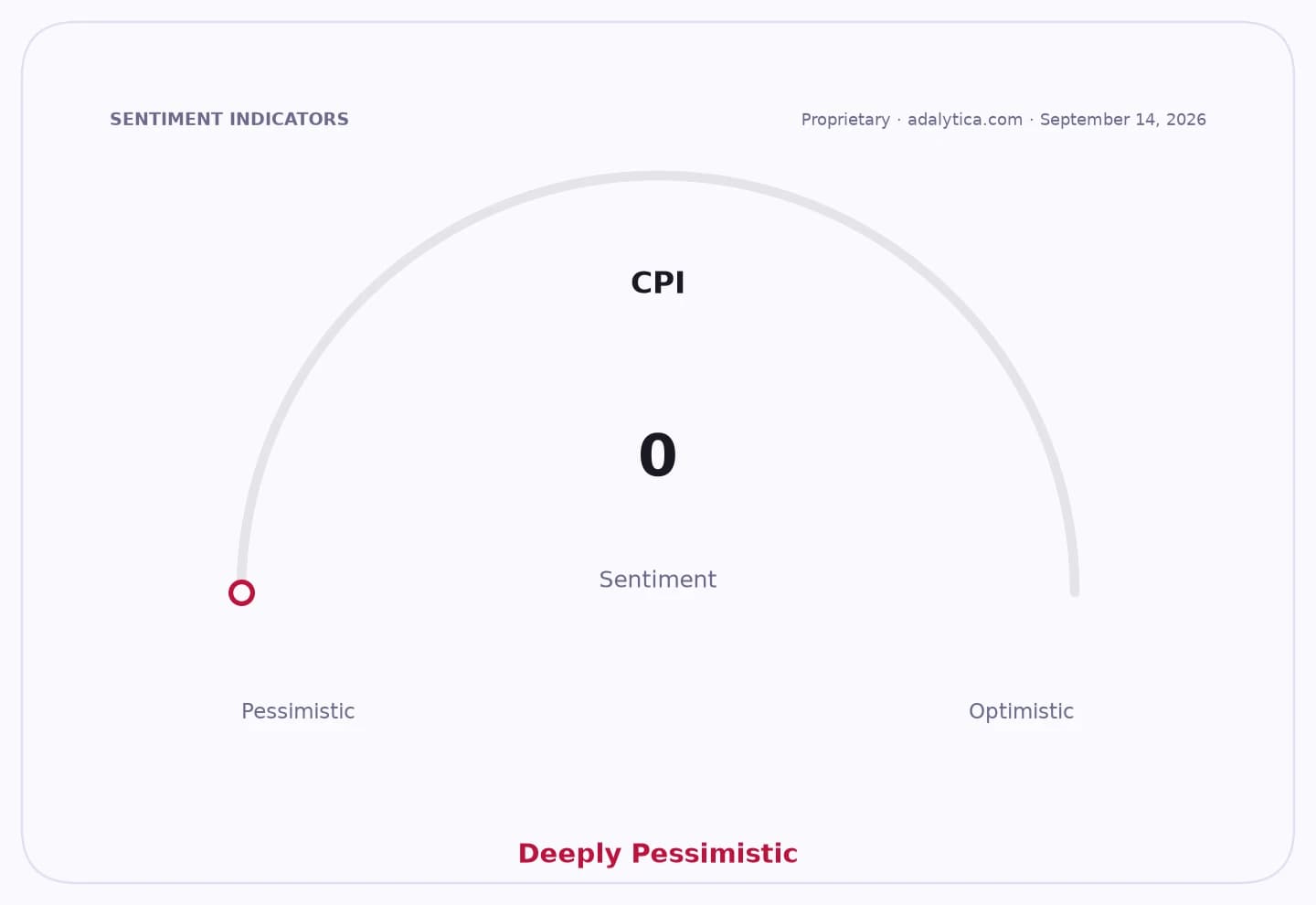
This is a snapshot — live sentiment, awareness and momentum for 130+ markets update continuously in the dashboard.Open AlphaPulse
The 31.5% figure underscores how far inflation remains from any durable normalization, even after the central bank’s tighter stance. For investors, that makes the path for Turkish assets highly contingent on whether policy can keep real rates restrictive long enough to cool pricing without triggering a deeper slowdown. If inflation proves sticky, nominal yields may stay elevated and domestic demand could weaken further. If disinflation gains traction, Turkish equities and local bonds could benefit from lower risk premia and improved confidence in the policy framework.
Okşak’s comments also pointed to the broader macro backdrop that is shaping emerging markets more generally: geopolitical tensions, energy shocks and tight global financing conditions are keeping inflation risks alive for import-dependent economies. In Turkey’s case, that means the bill for oil and gas remains a key variable for both the current account and the inflation outlook.
The policy debate in Bursa was also a reminder that markets are watching more than the headline inflation rate. Ekrem Alfatlı argued that stable growth requires a broader mix of policies that support production, investment, exports and employment, a view that reflects the political pressure around real incomes and the economy’s dependence on credit. For investors, that suggests the next phase of the story will hinge on whether Ankara can combine disinflation with growth-friendly reforms, or whether price stability continues to come at the expense of activity.
Turkey’s inflation trajectory will remain the key test for the central bank, the lira and domestic assets into year-end, with energy prices, financing conditions and policy credibility likely to determine whether August proves to be another waypoint or a ceiling.
| Entity | Gains | Losses |
|---|---|---|
| Central bank | ▲Policy credibility if tightening works | ▼Growth if rates stay high |
| Savers / local bondholders | ▲Higher real returns over time | ▼Near-term volatility |
| Borrowers / small firms | ▲Easier credit only if inflation falls | ▼Funding costs and margins |
| Importers / consumers | ▲Lower prices if energy eases | ▼Purchasing power at 31.5% inflation |