Argentina’s inflation cooled to a 14-month low in August, giving President Javier Milei a fresh policy win even as slowing growth, job losses and manufacturing weakness keep pressure on his economic overhaul.
Argentina inflation hits 14-month low in August
Monthly consumer prices rose 1.7% in August, down from 2.1% in July, the national statistics agency INDEC said. That left inflation up 21.3% since January and 33.5% over the past 12 months, a far cry from the triple-digit pace Milei inherited when he took office in late 2023.
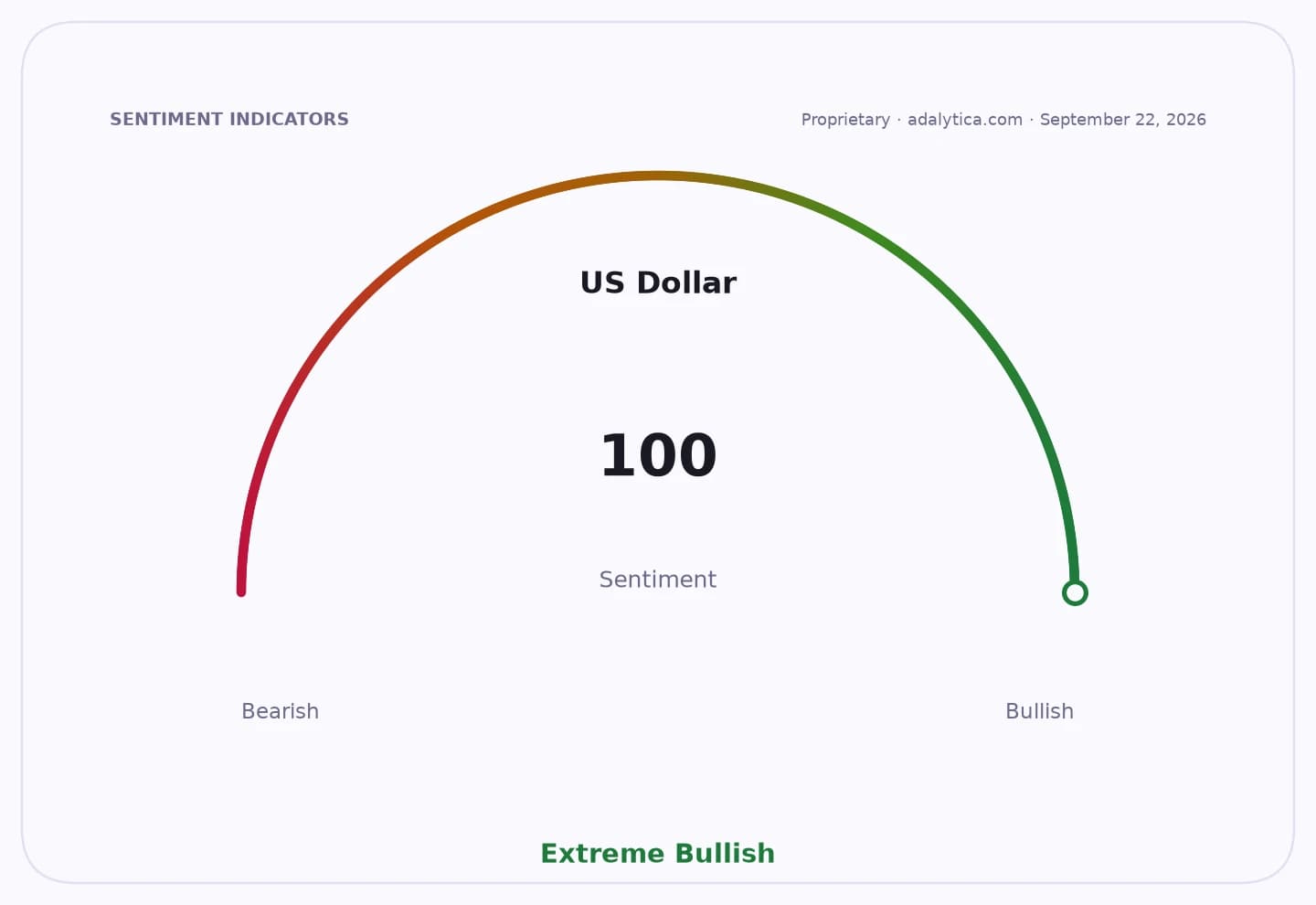
Sentiment IndicatorsⓘProprietary · adalytica.com · September 13, 2026
This is a snapshot — live sentiment, awareness and momentum for 130+ markets update continuously in the dashboard.Open AlphaPulse
The easing price trend matters because taming inflation was the cornerstone of Milei’s political mandate and the main justification for his aggressive austerity program, currency and fiscal tightening, and sweeping deregulation. For investors, it supports the case that Argentina remains on a disinflation path, which can help stabilize local assets, improve real returns and reduce the risk premium on sovereign and corporate credit.
But the same policy mix that has brought inflation down is increasingly unpopular. Milei’s popularity has slipped as unemployment becomes voters’ top concern, factory output weakens and more than 240,000 formal private-sector jobs disappear under his watch. Industry groups say the president’s rapid dismantling of protectionist barriers has left manufacturers exposed to foreign competition, while nearly 30,000 companies have closed in the past three years.
The central bank has already trimmed its 2026 growth forecast to 2.1% from 2.7%, well below the government’s 5% budget target, underscoring the tension between price stability and activity. That split is what investors are watching now: if inflation keeps falling without a further collapse in output, Milei gains room to argue that his program is working; if growth keeps sliding, the political payoff of lower inflation may prove harder to sustain.
For markets, the next tests are whether inflation keeps decelerating into the final quarter and whether the government can show enough momentum in output and employment to preserve support for its reform agenda.
| Entity | Gains | Losses |
|---|---|---|
| Milei government | ▲Lower inflation, policy credibility | ▼Political support on jobs and growth |
| Consumers | ▲Slower price rises | ▼Weak labor market |
| Manufacturers | ▲Potentially lower input inflation | ▼Exposure to import competition |
| Argentine assets | ▲Better disinflation outlook | ▼Risk from slower growth |