A severe temporary supply squeeze in Thanh Hoa has pushed green-vegetable prices up as much as two to three times from a month earlier, forcing households and retailers to adjust spending and inventory in real time.
Thanh Hoa vegetable prices rise after floods
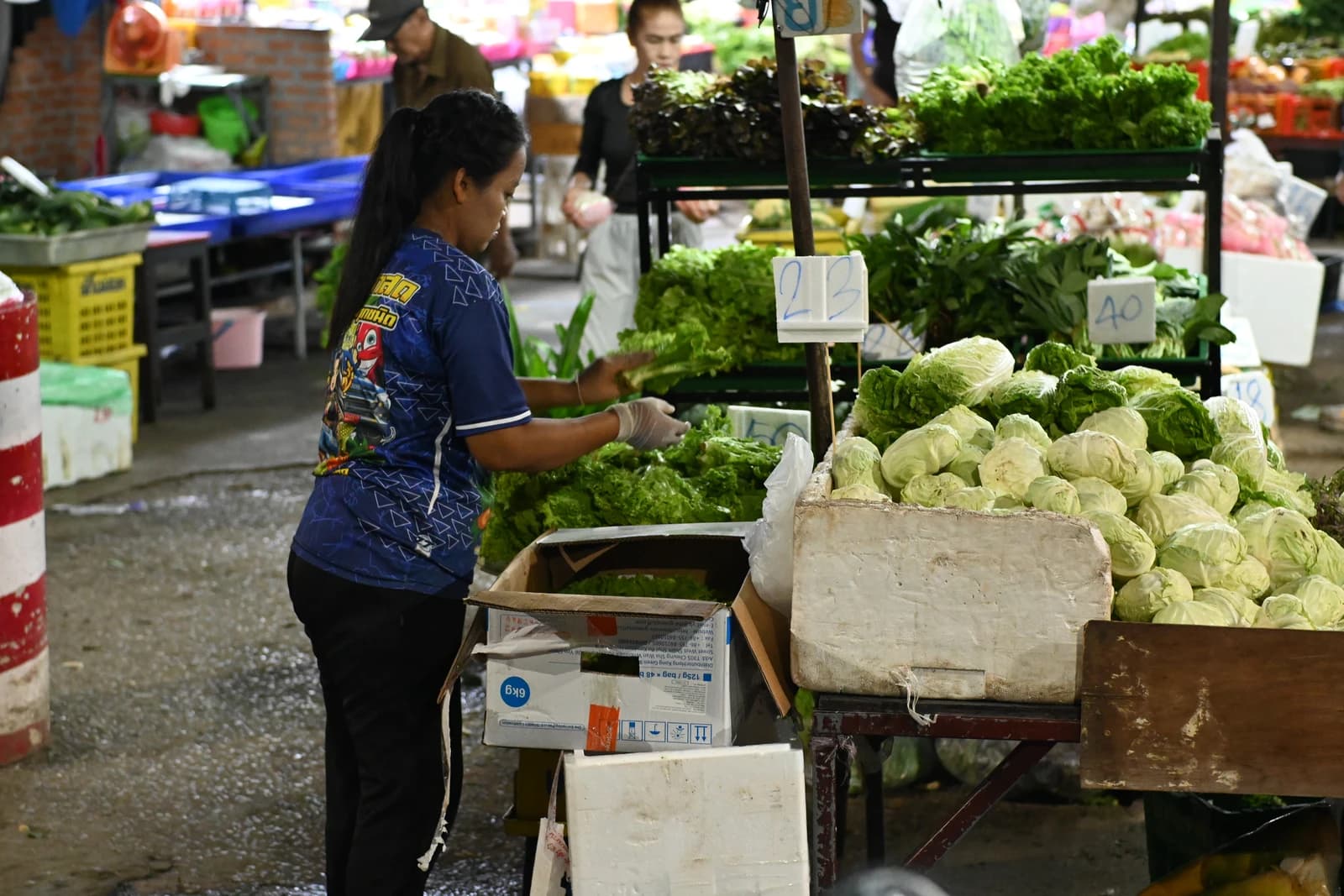
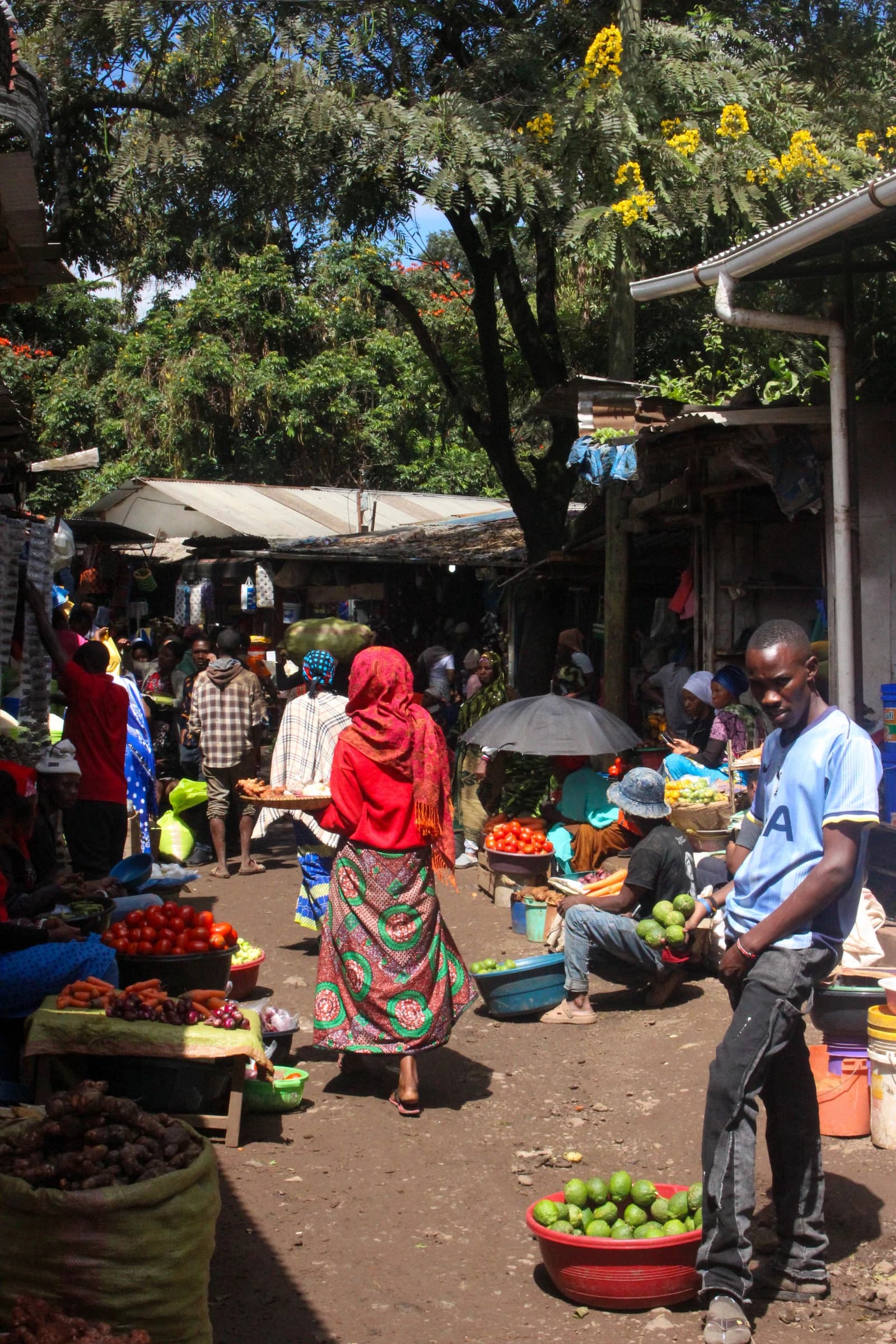
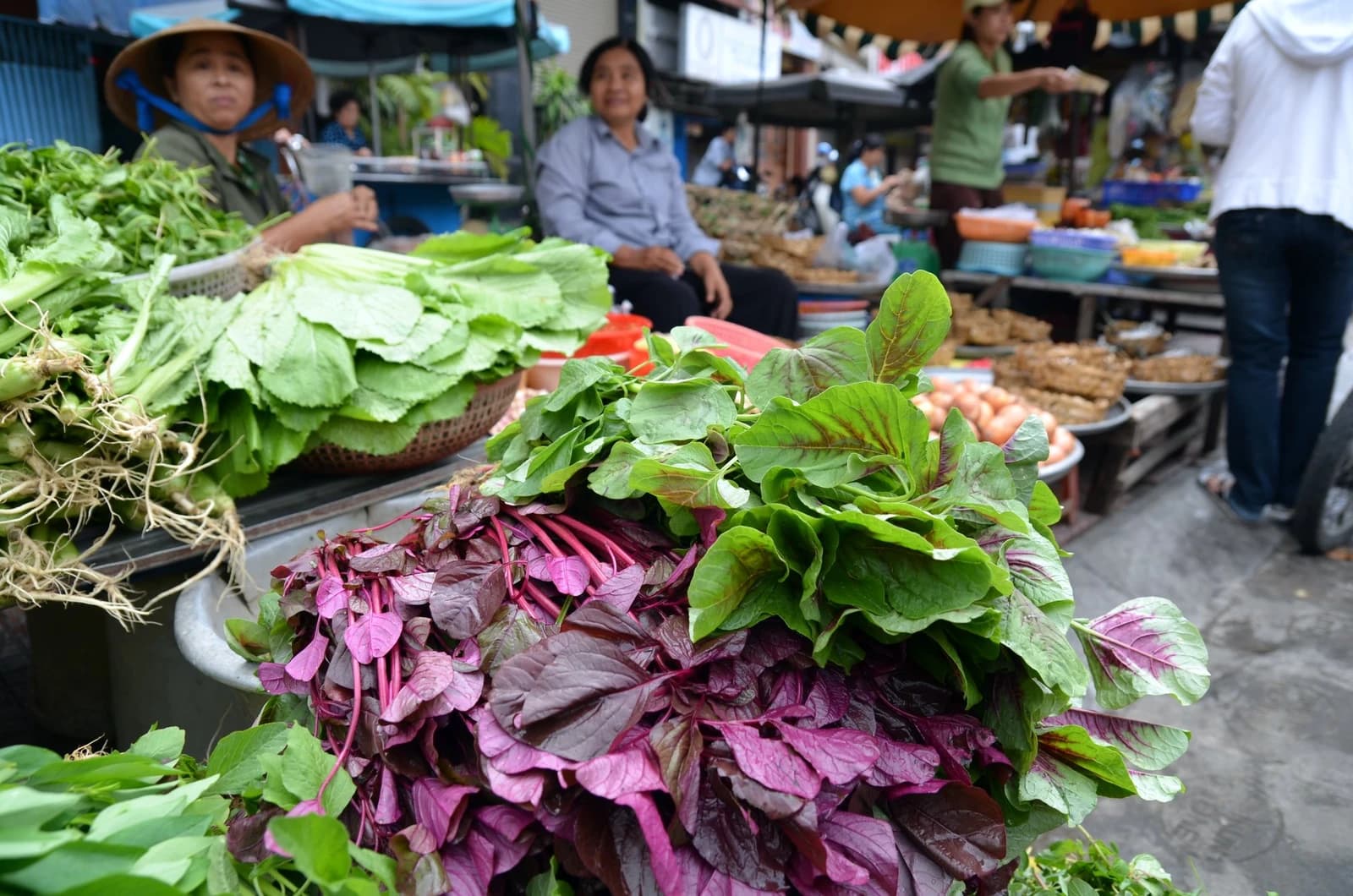
The disruption matters because it is not just a market anecdote about produce: it shows how quickly extreme weather can turn a local crop loss into a broader cost-of-living shock, especially for low- and middle-income consumers who rely on daily fresh purchases. More than 852 hectares of vegetables were damaged by recent floods in the province, leaving traditional markets with fewer varieties, thinner stalls and higher prices for staples such as morning glory, mustard greens, water spinach and herbs.
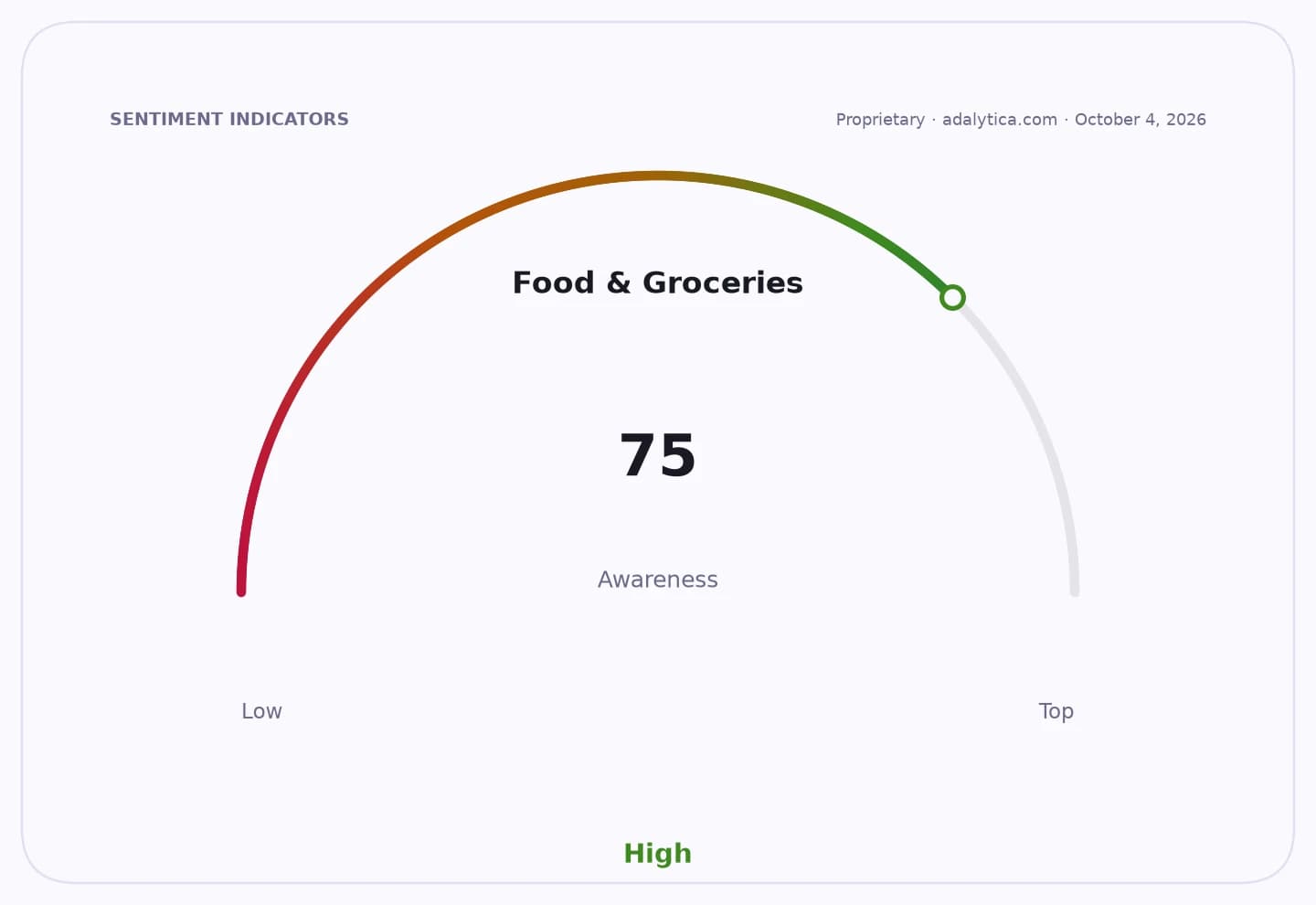
Sentiment IndicatorsⓘProprietary · adalytica.com · October 4, 2026
This is a snapshot — live sentiment, awareness and momentum for 130+ markets update continuously in the dashboard.Open AlphaPulse

For households, the inflationary effect is immediate. Prices for leafy vegetables have risen to roughly 10,000-20,000 dong per bunch, while several fruits and vegetables including tomatoes, cabbage, green beans, lemons, loofah and cucumbers are up by 5,000-10,000 dong per kilogram. Some shoppers said daily spending on vegetables has climbed to 50,000-70,000 dong, forcing them to cut back on preferred items and replace them with longer-lasting produce such as potatoes, squash and sweet potatoes.
The supply shock is being transmitted through the farm gate to the market stall. Flooded fields in key growing areas including Hoang Giang, Thieu Hoa and Yen Dinh were submerged long enough to rot roots and delay replanting, while new seedlings could not take hold in waterlogged soil. Traders at Dong Huong wholesale market said they are buying more cautiously because scarce stock raises the risk of losses if goods spoil before sale.
That makes the episode economically important beyond Thanh Hoa. Vegetables are a daily necessity, so even a local and temporary shortage can force quick changes in consumer behavior and amplify visible inflation in food budgets. It also underlines how vulnerable supply chains for perishables remain to weather shocks, transport disruptions and regional crop losses elsewhere in the country, including supply areas such as Da Lat and Moc Chau that feed provincial markets.
The response from consumers is already telling. Rather than simply absorbing the higher prices, many are shifting demand toward substitute foods and supermarkets with more stable pricing. That flexibility may limit the scale of demand destruction, but it also signals pressure on traditional market vendors, who face thinner margins and greater inventory risk when volumes fall and prices become volatile.
Authorities are urging farmers to restart production with short-cycle vegetable varieties to restore supply by mid-October at the earliest. Until then, prices are likely to remain elevated, and the market will stay sensitive to any further weather-related disruption. For investors and businesses in food retail, the story is a reminder that supply shocks can quickly reshape basket composition, margin dynamics and consumer trade-down patterns even in local markets that are usually seen as low volatility.
| Entity | Gains | Losses |
|---|---|---|
| Vegetable sellers with stock | ▲Higher unit prices | ▼Lower volumes, spoilage risk |
| Households buying leafy greens | ▲Substitute options | ▼Higher food budgets |
| Supermarkets with stable supply | ▲Traffic from price-sensitive shoppers | ▼Traditional wet markets |
| Farmers replanting short-cycle crops | ▲Faster recovery sales | ▼Flood-damaged growers |