Spain’s consumer group OCU says food inflation is still squeezing household budgets, with tomatoes up 33.2% in the past year and ground coffee up 142% over five years, underscoring how a broad rebound in supermarket prices is eroding purchasing power even as headline food inflation cools.
Spain food prices rise as OCU reports basket increases

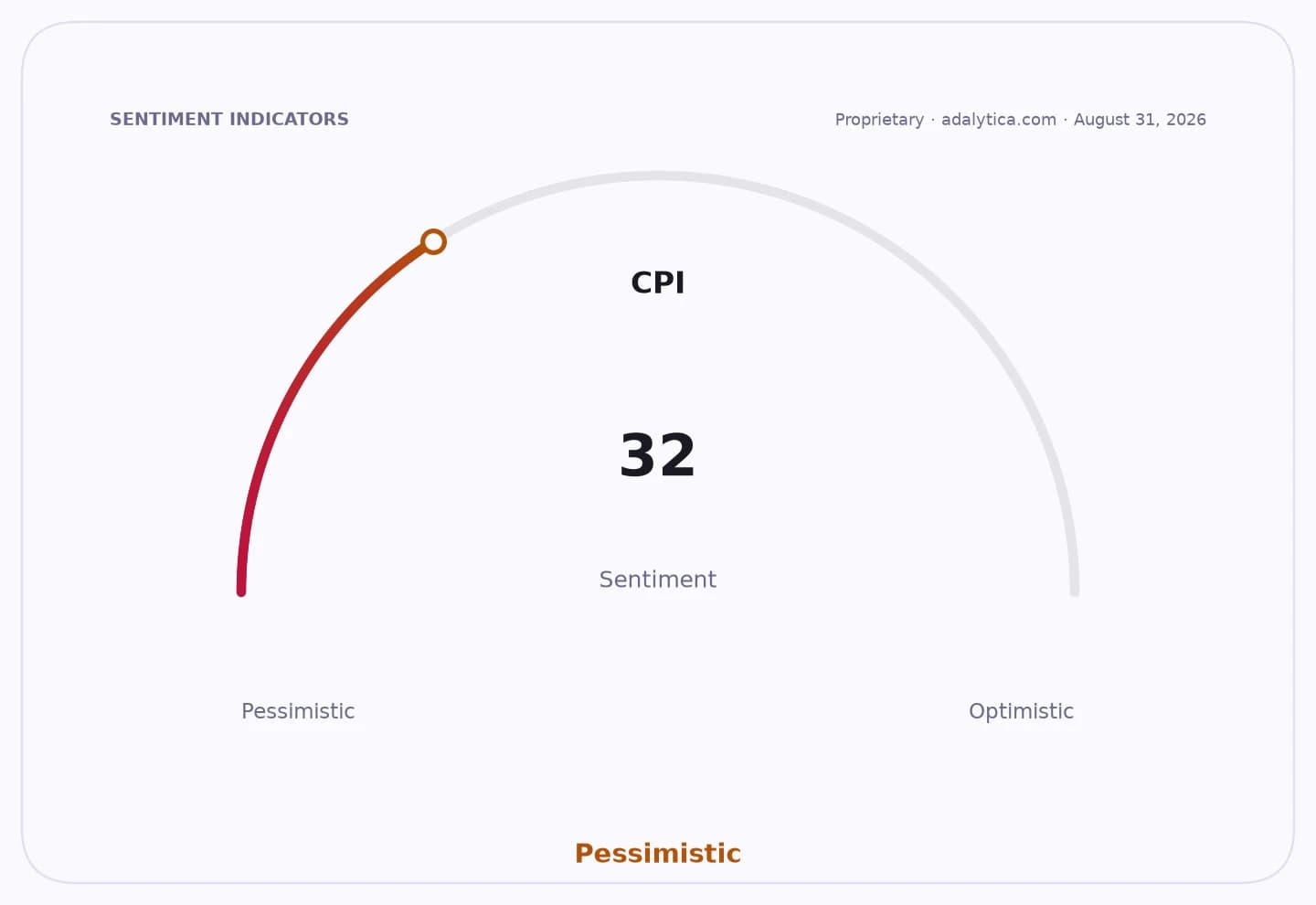
The warning matters because food remains one of the most visible and politically sensitive parts of inflation. The OCU’s latest basket study shows 61.8% of the products it tracks rose in price over the past year, while 38.2% fell, signaling that relief at the checkout is uneven and concentrated in a minority of items.
Sentiment IndicatorsⓘProprietary · adalytica.com · October 1, 2026
This is a snapshot — live sentiment, awareness and momentum for 130+ markets update continuously in the dashboard.Open AlphaPulse
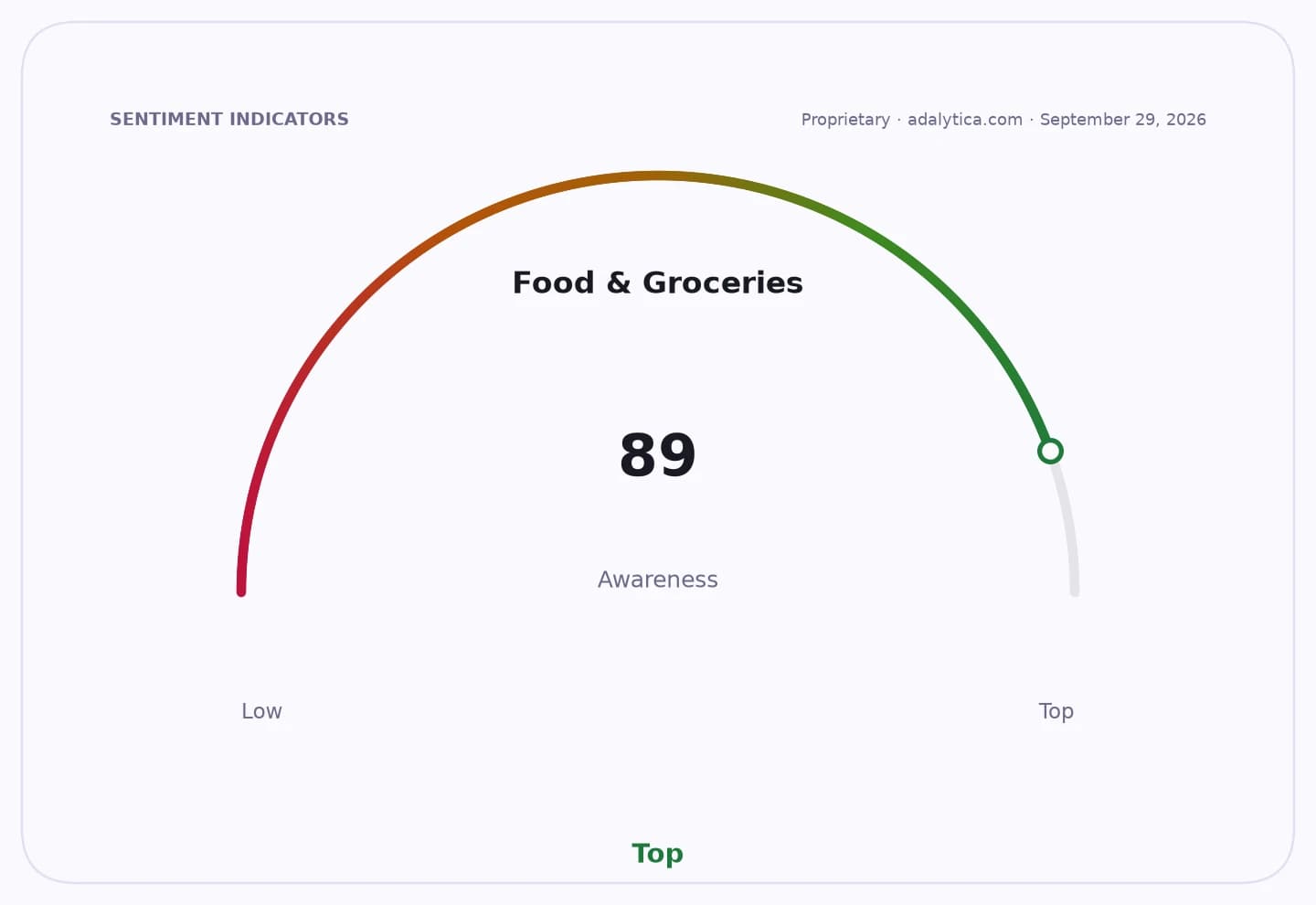
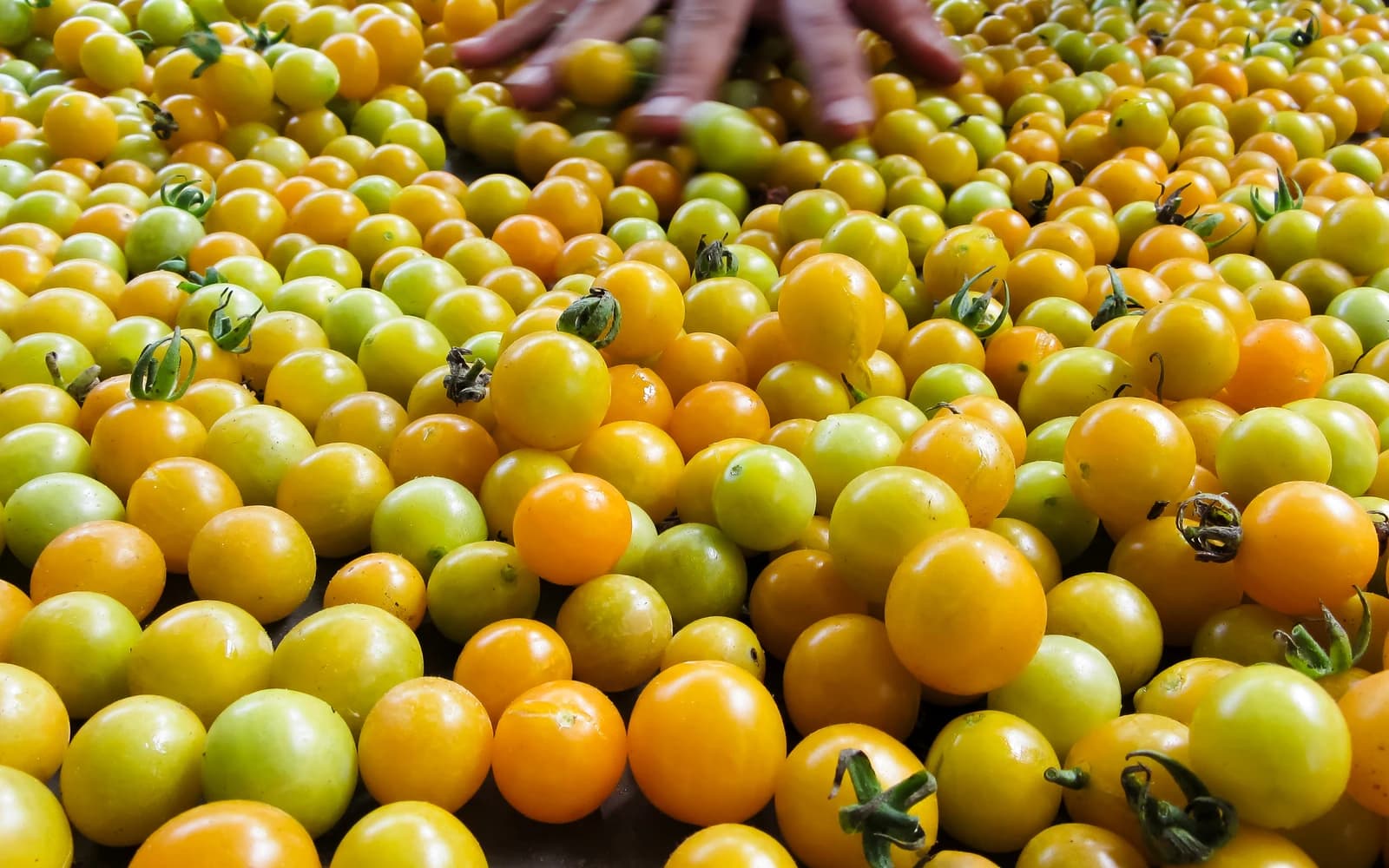
Among the biggest annual increases were tomatoes, up 33.2%; lemons, up 25.2%; cauliflower, up 22.8%; eggplant, up 20.4%; and a type of fish, gallo de ración, up 19.4%. On the downside, mashed potatoes fell 14.8%, artichokes 15.1%, Canary Island bananas 22.6% and paper napkins 30.4%.
Over the longer period from 2021 to 2025, the inflation picture is more severe. The OCU said the cost of its shopping basket rose 39.5% in total, with ground coffee blend jumping 142%, eggs 135% and milk chocolate 101%, while only laundry detergent, natural yogurt and rice drink fell over the four years.
That is economically important because households have not recovered the lost purchasing power from the pandemic era and, in the OCU’s view, not even from before the 2008 financial crisis. The burden is hitting lower-income families hardest, since staples account for a larger share of their budgets and offer fewer ways to cut spending.
The data also lines up with broader market signals on food commodities. Coffee, sugar and wheat-linked products remain exposed to supply shocks, climate volatility and higher production costs, which helps explain why consumer prices can keep rising even when the pace of food inflation slows.
The OCU used the report to renew its call for lower or zero VAT on basic goods and for meat and fish to be included in tax relief. For investors, the report points to continuing pricing power in parts of the food supply chain and to persistent cost pressure for consumer staples companies, retailers and import-dependent businesses.
The next test will be whether easing commodity costs eventually feed through to supermarket shelves, or whether retailers and suppliers keep margins intact while consumers absorb the lag.
| Entity | Gains | Losses |
|---|---|---|
| Food retailers | ▲Preserve pricing power | ▼Face margin scrutiny |
| Coffee and egg suppliers | ▲Benefit from higher shelf prices | ▼Risk demand erosion |
| Low-income households | ▲None | ▼Biggest hit to purchasing power |
| Government tax relief advocates | ▲Gain support for VAT cuts | ▼Face pressure to act |