Italy’s shopping cart has become 29.5% more expensive over the past five years, a reminder that inflation may have cooled from its peak, but the cost of feeding a household is still stubbornly high.
Italy food inflation stays elevated
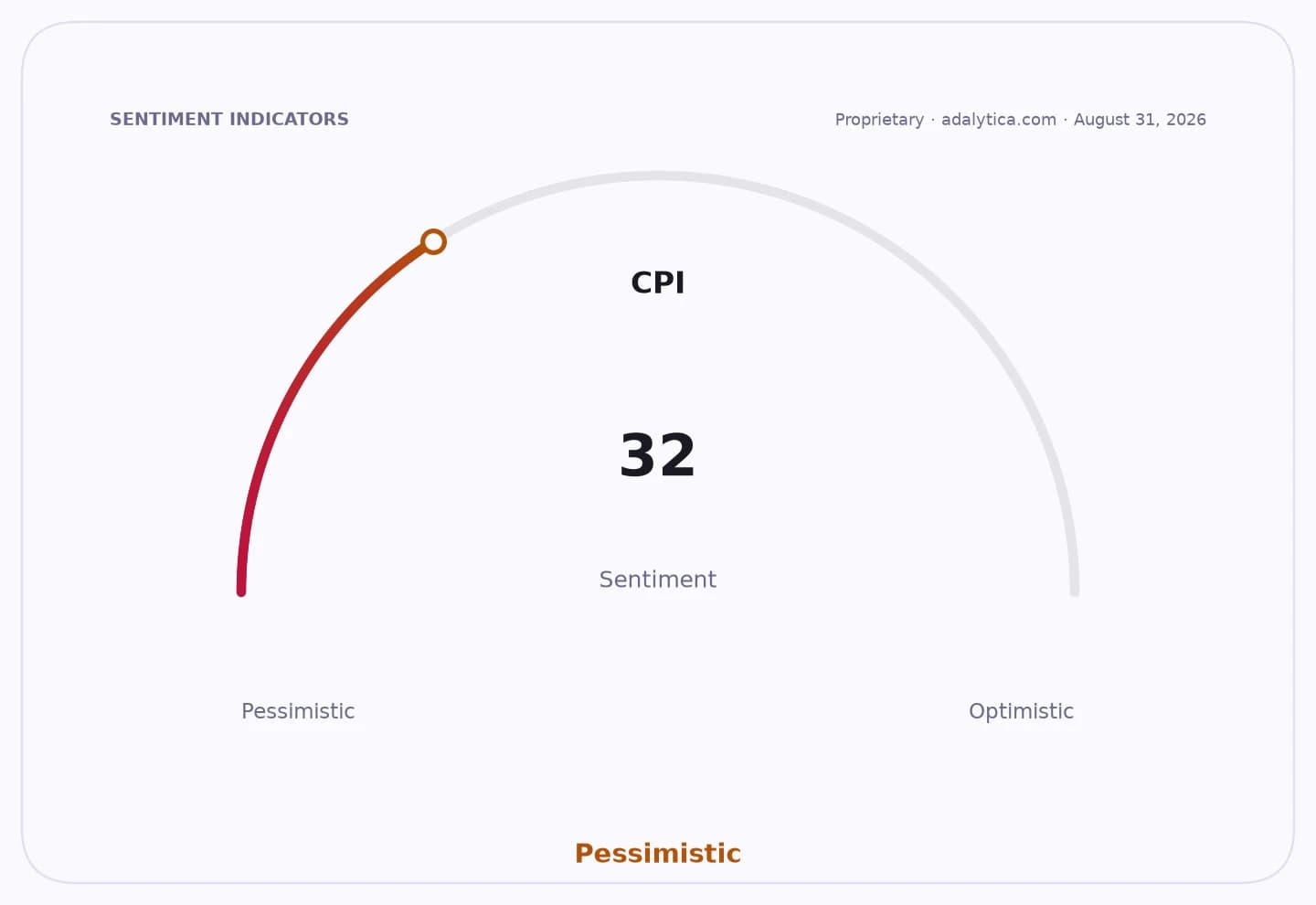
That matters because food is the last place consumers can easily cut back. When grocery bills keep rising, households have less room for everything else — from dining out and travel to apparel and discretionary purchases. For Italy, where consumer spending is a major engine of the economy, sticky food inflation can quietly sap growth even when headline inflation looks more manageable.
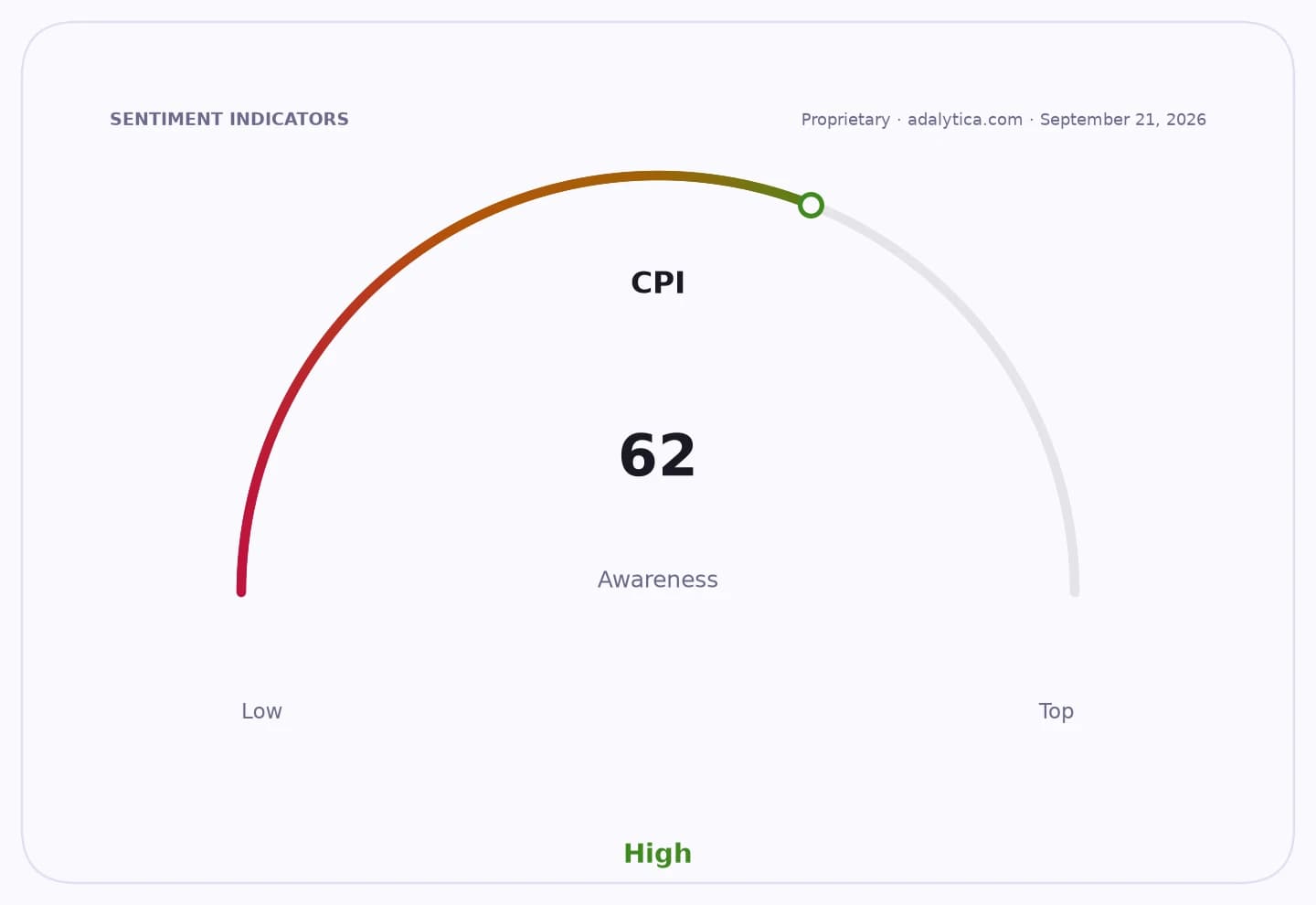
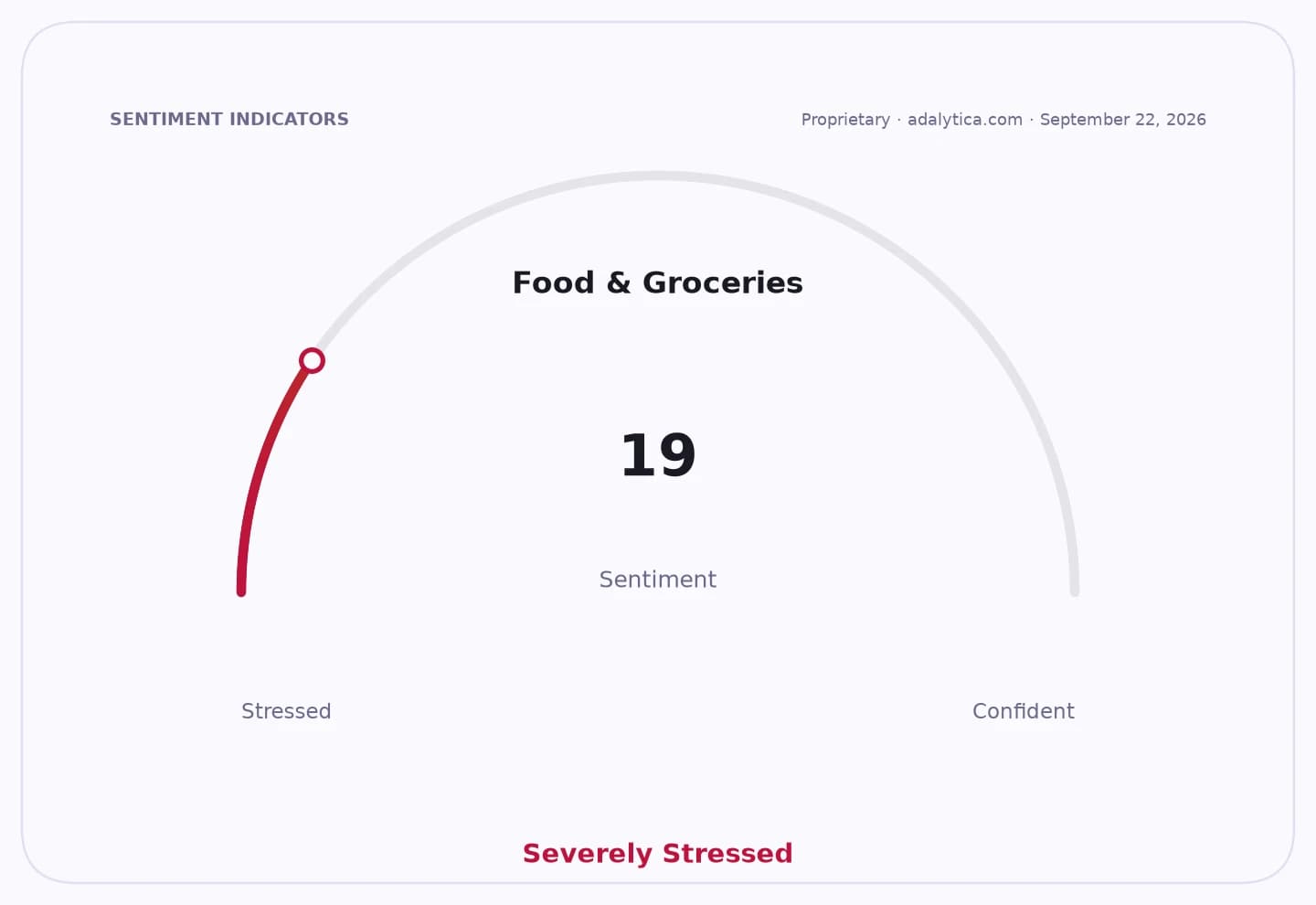
Sentiment IndicatorsⓘProprietary · adalytica.com · August 31, 2026
This is a snapshot — live sentiment, awareness and momentum for 130+ markets update continuously in the dashboard.Open AlphaPulse
The broader backdrop is not comforting. Recent global food price reports point to mounting pressure from drought in Europe, fertilizer instability in the U.S. and supply strains tied to El Niño. Those forces help explain why grocery inflation can stay elevated long after central banks declare victory over inflation in general. In practical terms, consumers face a second round of price pain even as wage gains and policy easing struggle to keep up.
For investors, the message is straightforward: the inflation story is not over, it has just changed shape. Retailers, packaged food makers and discounters can all feel the strain, but the impact is not evenly shared. Companies with strong pricing power, efficient sourcing and scale can defend margins better than smaller rivals. The losers are households trading down, as well as businesses dependent on discretionary consumer demand.
That is why food inflation deserves attention even when markets are focused elsewhere. It can shape earnings for consumer staples, retailers and agricultural producers, and it can influence central bank thinking if price pressures prove sticky. The recent strength in wheat and corn prices also underscores how quickly agriculture markets can react when supply risks build.
The long-term investing takeaway is to think beyond the next CPI print. Inflation in the grocery aisle can linger, and that makes resilience valuable — in both household budgets and portfolios. Investors may want to keep an eye on food producers with durable brands, farmland and agricultural exposure, and retailers that can preserve traffic by keeping prices competitive.
| Entity | Gains | Losses |
|---|---|---|
| Food producers | ▲Pricing power | ▼Input-cost pressure |
| Discount retailers | ▲Trade-down traffic | ▼Margin compression |
| Households in Italy | ▲Little | ▼Higher grocery bills |
| Agricultural commodities | ▲Stronger demand pricing | ▼Consumers and retailers |