Morocco’s consumer price index fell 0.3% in August from a year earlier, extending a disinflation trend that should give policymakers more room to support growth even as transport costs remain elevated.
Morocco CPI Falls 0.3% in August

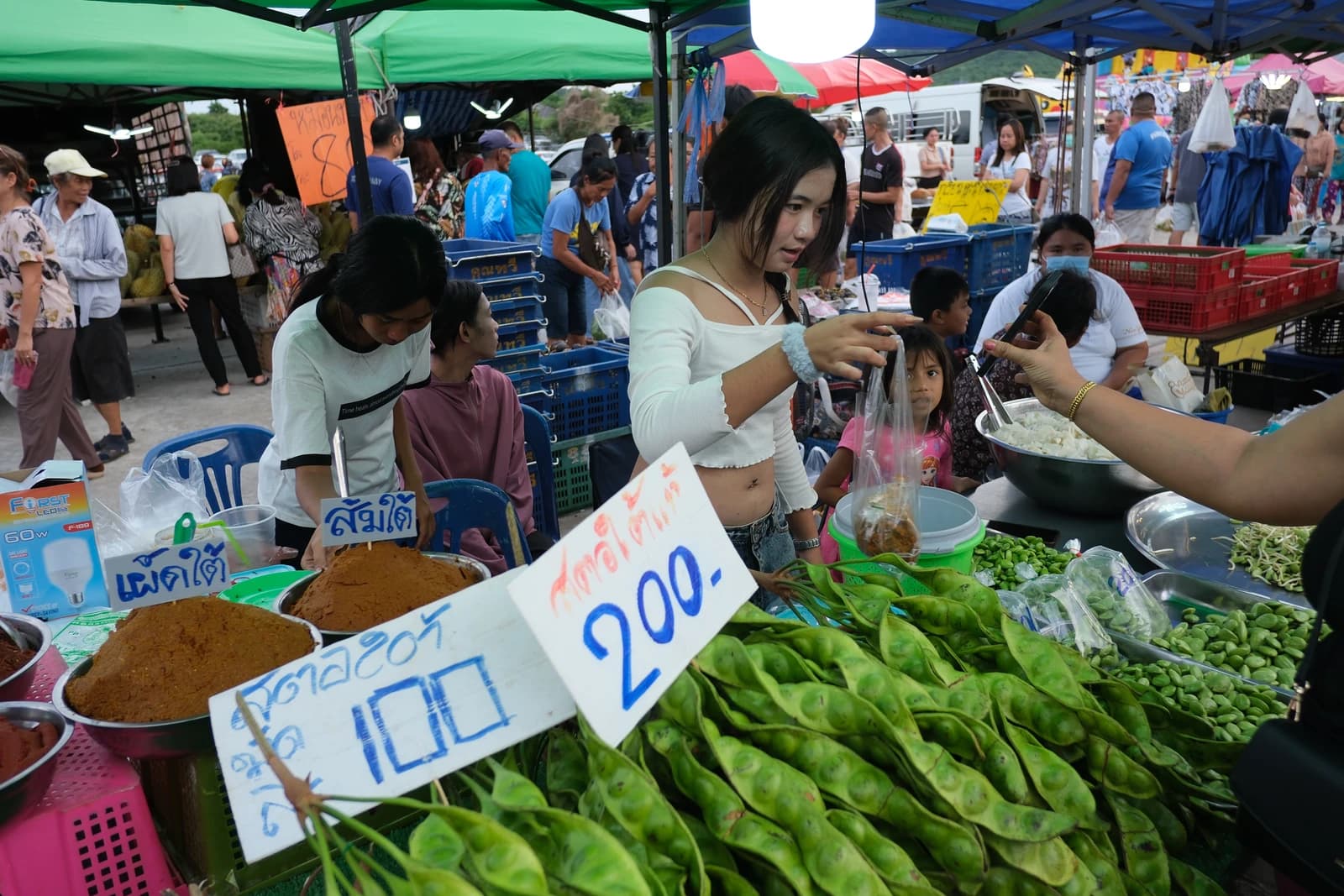
The drop was driven largely by a 3.9% decline in food prices, which outweighed a 2.5% increase in non-food items, according to the High Commission for Planning. On a monthly basis, the index rose 0.8%, reflecting a 0.9% gain in food prices and a 0.7% rise in non-food goods, with fuel up 9.8% over July. But the broader message from the annual reading is that underlying price pressures remain subdued: core inflation, which strips out volatile items and regulated prices, rose just 0.1% from a year earlier.
Sentiment IndicatorsⓘProprietary · adalytica.com · September 29, 2026
This is a snapshot — live sentiment, awareness and momentum for 130+ markets update continuously in the dashboard.Open AlphaPulse
That mix matters because it suggests Morocco is not facing a broad-based inflation problem. A decline in food prices carries outsized importance for household purchasing power, especially in an economy where staples are a major share of consumption. It also reduces the risk that inflation becomes entrenched through wage demands or second-round price effects. For policymakers, that creates more flexibility to focus on growth and domestic demand rather than tightening financial conditions to fight prices.
The details also show where inflation pressure is still alive. Transport costs climbed 7.3% year on year, while monthly gains were concentrated in fuel and several food categories including fish, dairy, meat and vegetables. That split points to a more sector-specific inflation profile rather than a generalized surge in demand. In practical terms, it is the kind of reading central banks usually prefer: some pockets of volatility, but little evidence of economy-wide overheating.

For investors, the implications are twofold. First, softer annual inflation reduces the likelihood of imminent policy restraint and can support local bonds by reinforcing expectations for a stable or easier rate path. Second, lower food inflation should help real incomes and consumer spending, which matters for retailers, consumer lenders and domestic cyclical sectors. The risk case is that fuel and transport keep monthly inflation sticky, limiting how much room policymakers have to ease if imported costs rise again.
The broader narrative is that Morocco’s inflation cycle has cooled enough to shift the policy debate away from price containment and back toward growth support. What happens next will depend on whether the recent monthly bounce in energy and transport is temporary or the start of a renewed pass-through into broader prices.
| Entity | Gains | Losses |
|---|---|---|
| Moroccan households | ▲Higher real purchasing power | ▼Food-price volatility eases less quickly |
| Domestic consumer stocks | ▲Better demand outlook | ▼Margin pressure from transport/fuel costs |
| Bond investors | ▲Lower inflation risk premium | ▼Less upside if growth reaccelerates |
| Transport and fuel users | ▲Relief if monthly spikes fade | ▼Higher operating costs remain |