Egypt is widening its price-reduction initiative with 18 new commodities due to be launched tomorrow, a move that matters because the government is trying to blunt household cost pressures by lifting supply of basic goods rather than relying on broad-based subsidies alone.
Egypt expands price cuts to 30 essentials

The expansion takes the program to 30 items from 12, according to Supply Minister Sherif Farouk, and underscores how Cairo is using administered prices and state-linked distribution channels to stabilize food and consumer essentials. That is economically significant in a country where inflation has already been volatile and consumers remain highly sensitive to swings in staples, especially as the government looks to avoid a sharper pass-through from higher production and logistics costs into retail shelves.
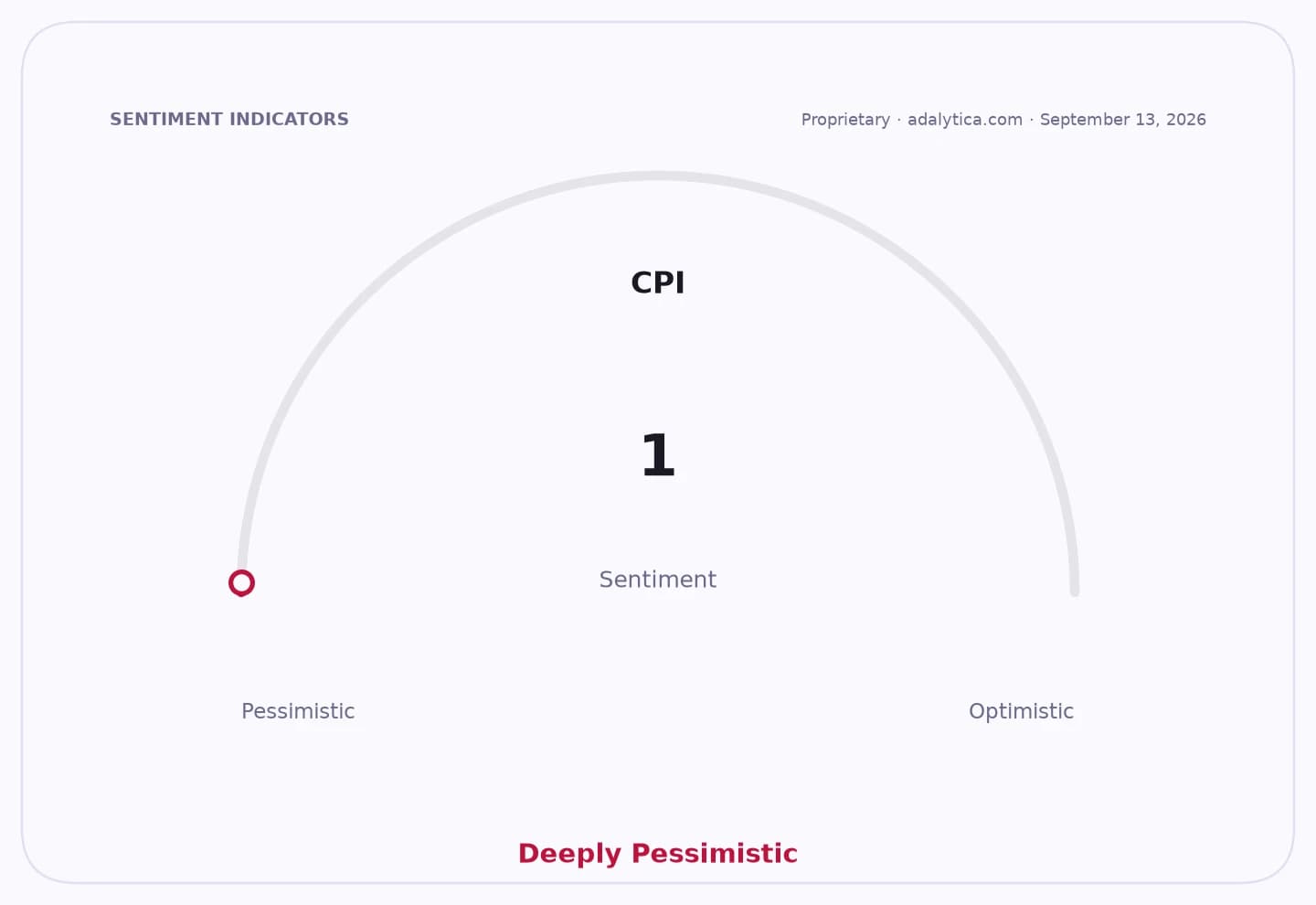
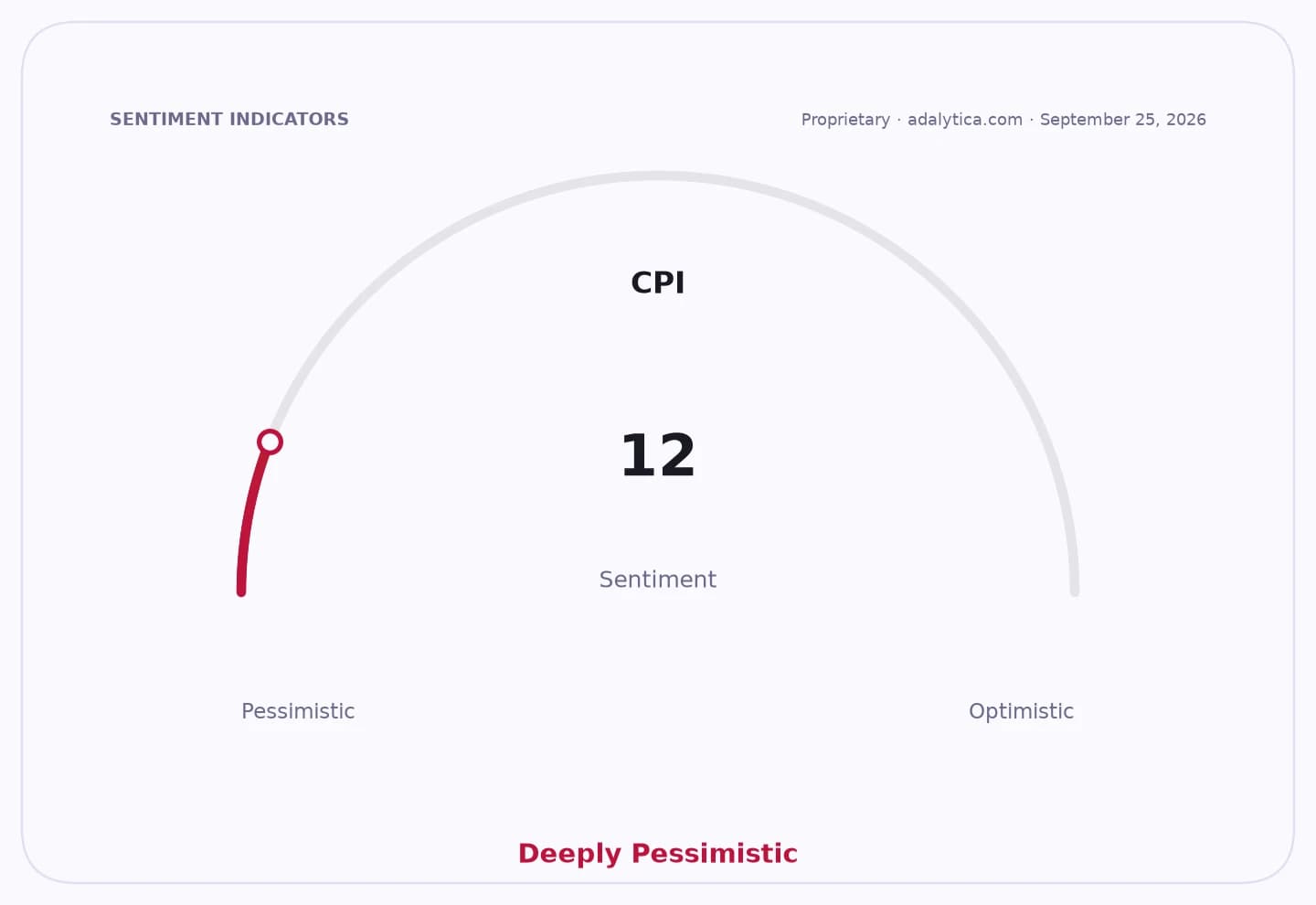
Sentiment IndicatorsⓘProprietary · adalytica.com · September 29, 2026
This is a snapshot — live sentiment, awareness and momentum for 130+ markets update continuously in the dashboard.Open AlphaPulse
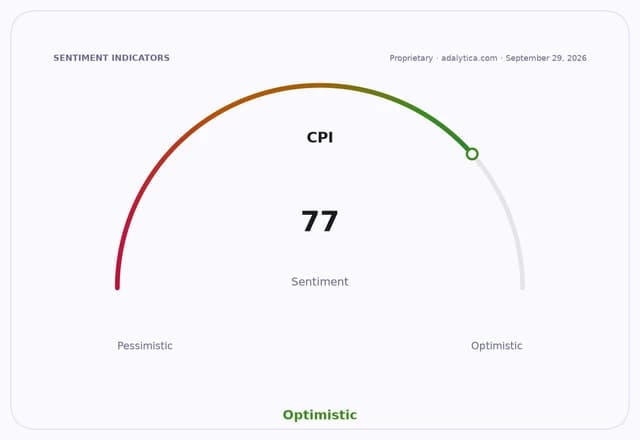
The ministry said it reviewed stock levels, supply flows and demand across participating outlets, signaling that the policy is as much about keeping goods physically available as it is about lowering sticker prices. In practical terms, that makes the initiative a volume and margin story for retailers and suppliers: the state is asking the market to move more product at lower prices, which can support affordability and demand but compress profitability for private sellers if costs are not falling in tandem.
The broader macro backdrop makes the timing important. With consumer inflation still a central political and economic issue, any visible effort to expand discounted supply can help anchor expectations and reduce social pressure, even if the effect on the headline price level is limited. The move also fits a wider regional pattern in which governments are leaning more heavily on targeted price controls, procurement and supply interventions as households struggle with elevated living costs.
For investors, the message is straightforward: companies and sectors tied to food retail, staples distribution and low-income consumer spending face a tougher pricing environment, while large-format operators and discounters with scale, procurement power and logistics efficiency are better positioned to defend traffic and share. In Egypt, the policy may also favor state-linked channels over smaller merchants, tightening the competitive squeeze on informal or less efficient players.
The market should watch whether the larger assortment actually improves availability without triggering shortages or margin erosion. If the government can keep 30 essentials flowing at reduced prices, it may buy breathing room on inflation and consumer sentiment. If not, the initiative risks becoming another temporary relief measure that shifts pressure rather than resolving it.
| Entity | Gains | Losses |
|---|---|---|
| Egyptian consumers | ▲Lower prices on essentials | ▼Less risk of immediate cost shocks |
| State-linked outlets / Ministry program | ▲Higher traffic, stronger policy credibility | ▼Margin pressure, execution burden |
| Large retailers / discounters | ▲Volume lift, share gains | ▼Tighter pricing power |
| Smaller merchants / price takers | ▲— | ▼Lower pricing flexibility |