Tomato prices in Mexico jumped 22.79% in the first half of September, making jitomate the biggest single contributor to inflation and forcing households to spend more on one of the country’s most common staples.
Mexico Tomato Prices Jump 22.79% in September
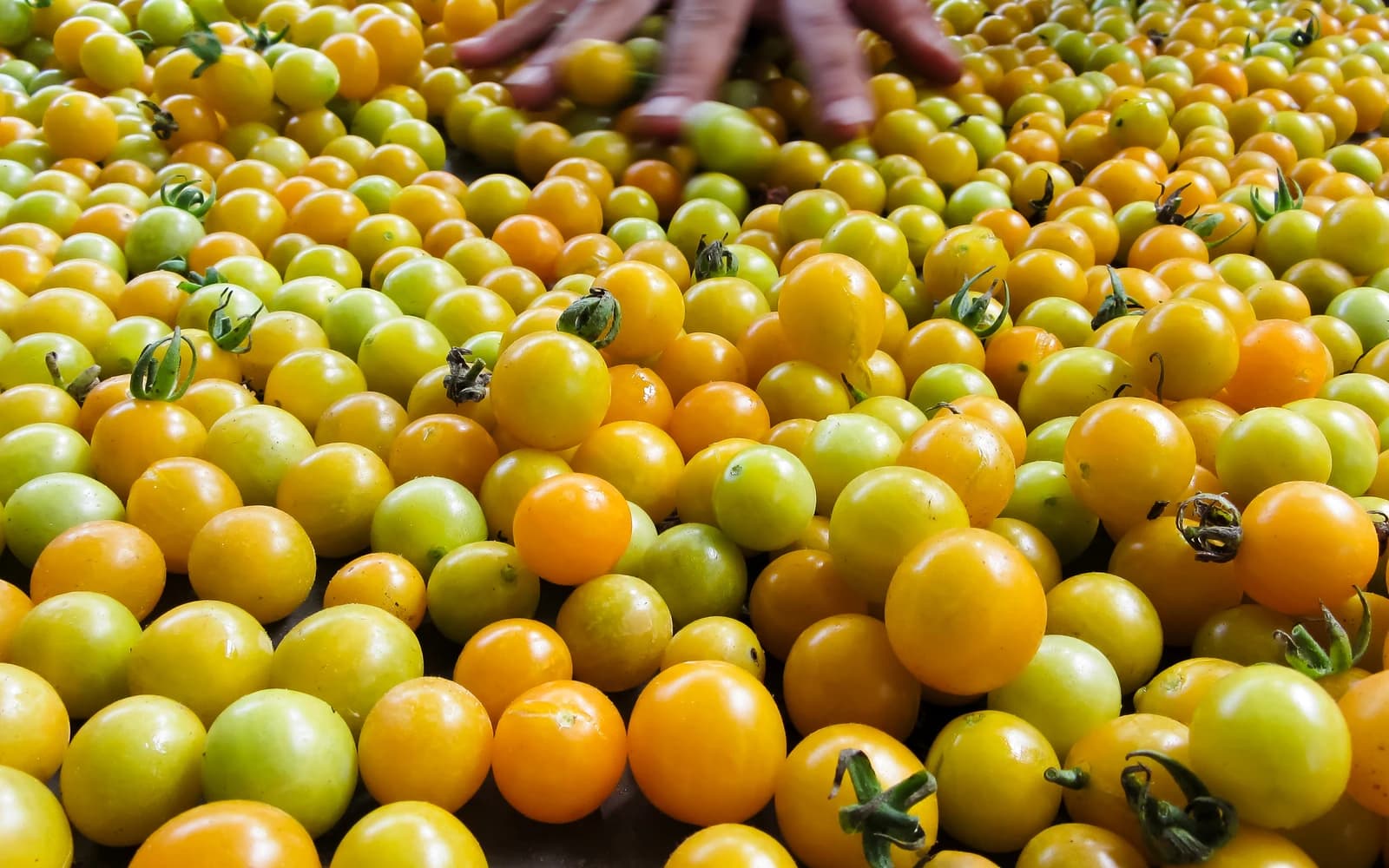
The increase carried an inflation incidence of 0.105 percentage point, according to the national statistics agency Inegi, and came as the consumer price index rose 0.33% in the period. Annual inflation stood at 3.42%, with fruit and vegetable prices up 3.38% over the fortnight, underscoring how fresh produce remains a key source of near-term price pressure.
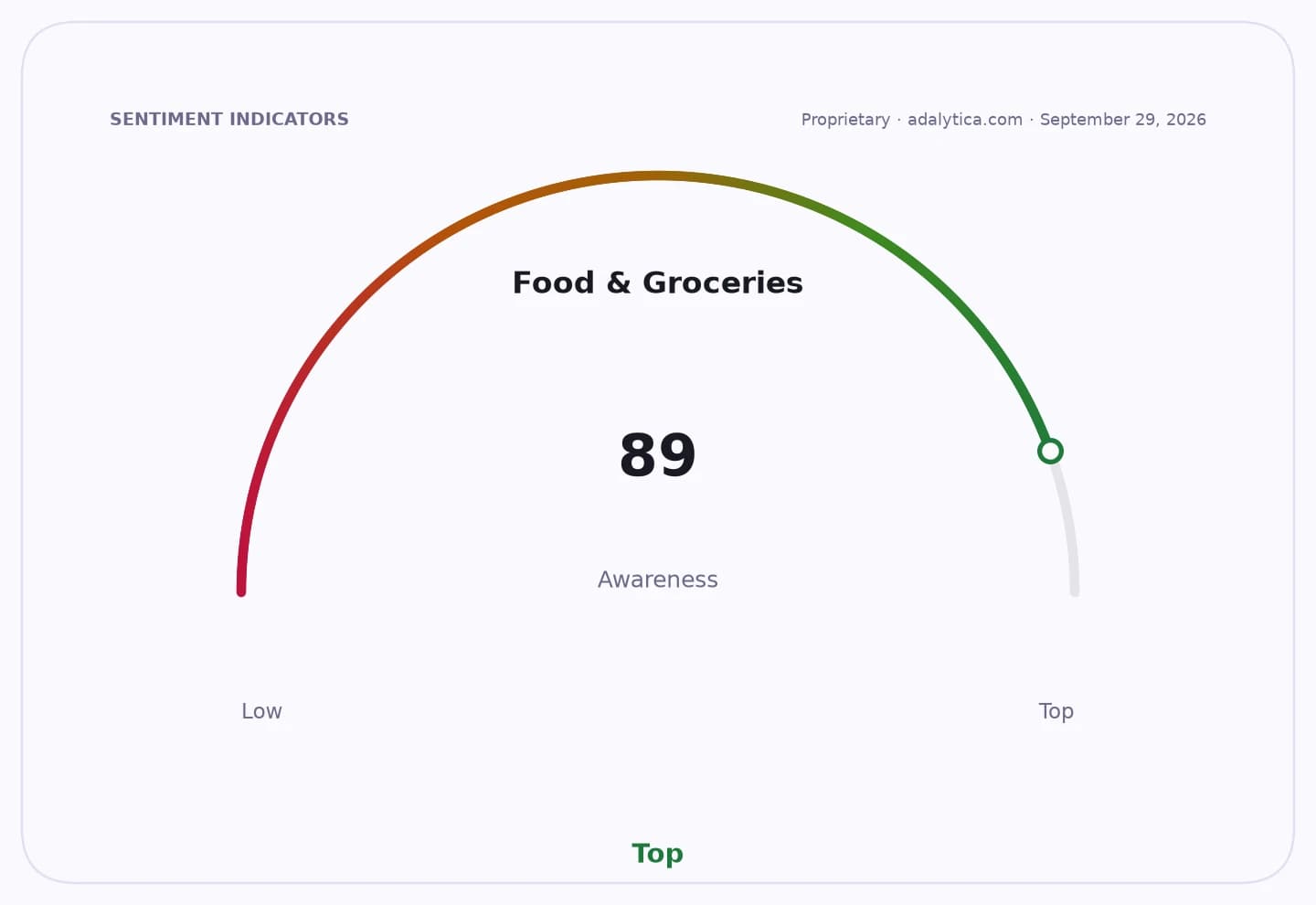
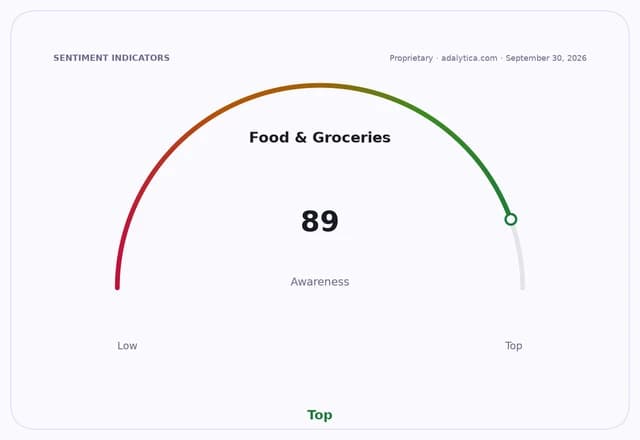
Sentiment IndicatorsⓘProprietary · adalytica.com · September 30, 2026
This is a snapshot — live sentiment, awareness and momentum for 130+ markets update continuously in the dashboard.Open AlphaPulse

For consumers, the hit is immediate. Tomato is central to Mexican cooking — used in salsa, soups, stews, rice dishes and pico de gallo — so a sharp move higher ripples through weekly grocery bills even if overall inflation remains contained. Families that rely heavily on home-cooked meals will feel the increase first, while restaurants and food vendors can face margin pressure if they cannot pass on higher input costs.
The data does not point to one single cause, but Mexico’s Agriculture Ministry has previously cited lower planted acreage, weather disruptions, pests and commercialization problems as factors weighing on supply. In June, the federal government and producers agreed to a national order for tomato production, supply, marketing and a “fair price,” an attempt to stabilize a market that remains vulnerable to weather and supply shocks.
The move also matters beyond Mexico’s borders because tomato price swings feed into broader food inflation trends across emerging markets, where fresh produce can quickly transmit supply problems into headline CPI. Traders and policy makers will be watching whether the latest spike proves temporary or becomes part of a longer pattern of food-price volatility.
Adalytica’s Food and Grocery Spending Sentiment gauge shows extreme greed at 93, suggesting households are increasingly focused on food costs, while CPI sentiment remains neutral. For investors, that keeps pressure on consumer-sensitive businesses and supports demand for agricultural exposure and inflation hedges when food prices accelerate.
The next test is whether tomato supply improves in the coming weeks and whether broader produce inflation cools. If not, Mexico’s food basket could keep headline inflation sticky even as the rest of the economy stabilizes.
| Entity | Gains | Losses |
|---|---|---|
| Tomato producers | ▲Higher farmgate prices | ▼Input and supply instability |
| Mexican households | ▲None | ▼Higher grocery bills |
| Food retailers/restaurants | ▲Ability to raise prices | ▼Margin pressure if costs linger |
| Inflation hedges/agri exposure | ▲Stronger demand | ▼Consumer discretionary spending |