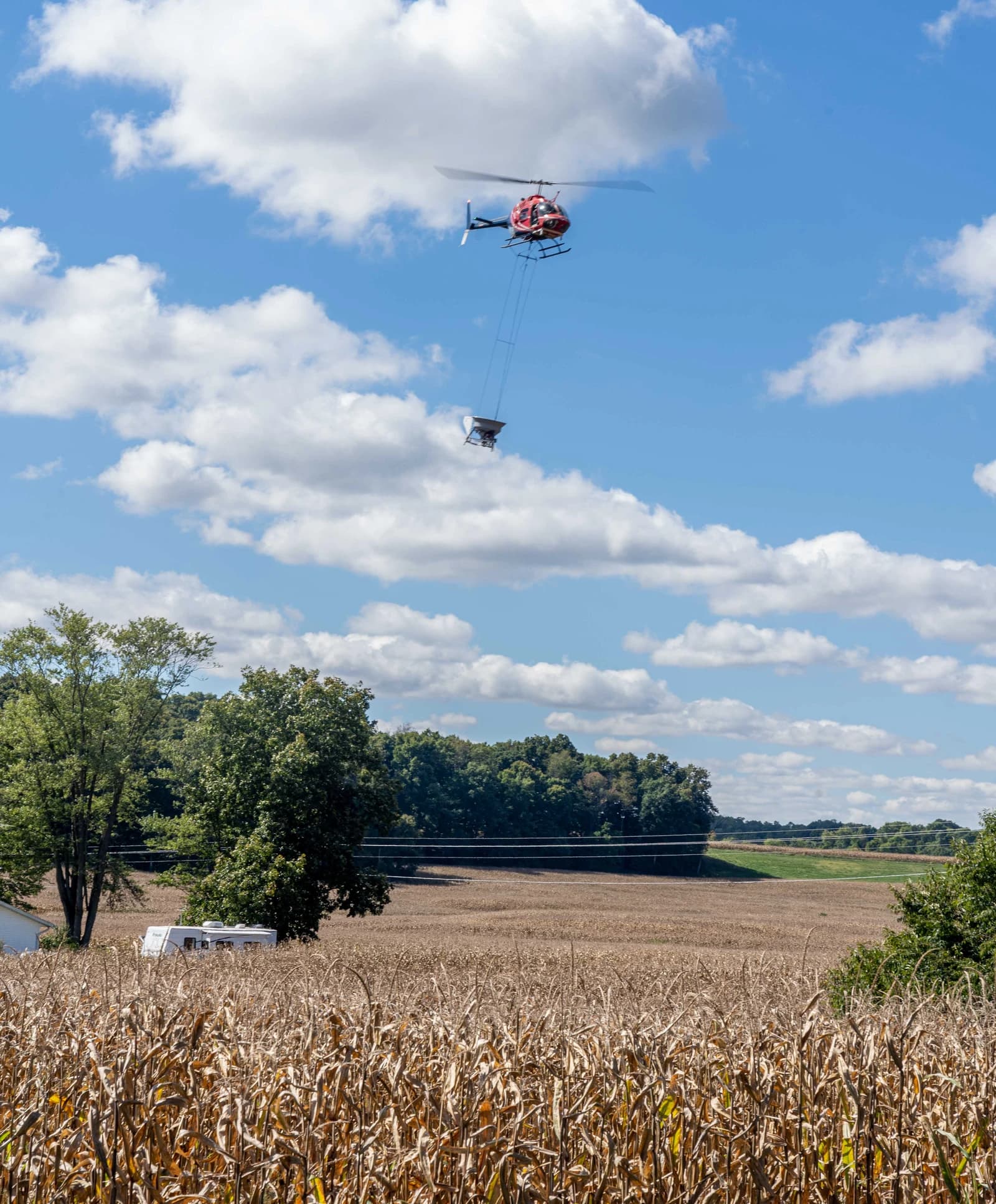
Fields damaged by unseasonal rains and severe weather are threatening output across key crops such as cotton and groundnut, a development that matters not just for farmers’ incomes but for food inflation, rural demand and the earnings of agricultural suppliers.
Corteva, Nutrien, Andersons Fall on Crop Weather Risks
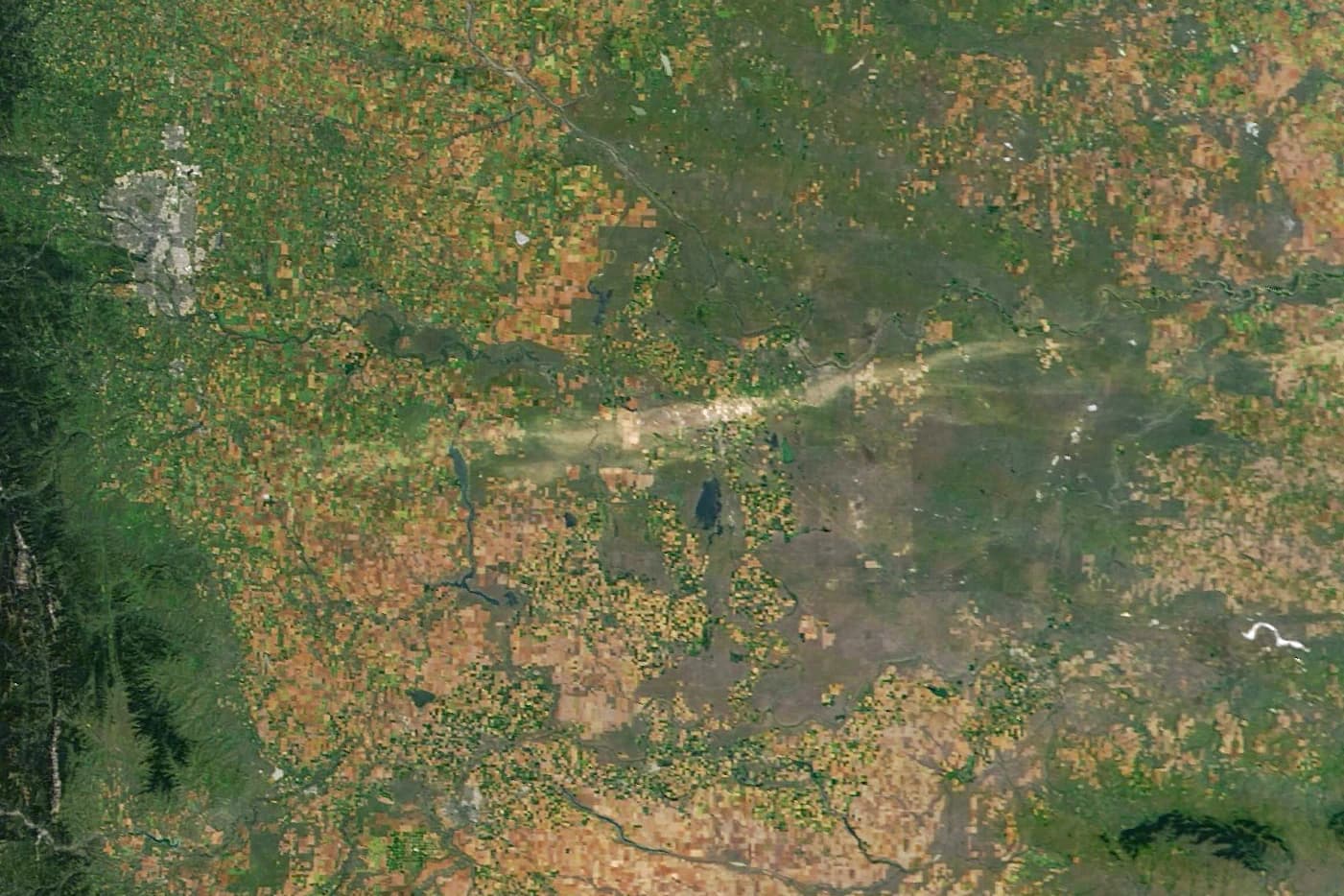
The immediate economic risk is a smaller harvest in areas already hit by earlier droughts, cyclones and flood damage. Crop losses tend to ripple quickly through the farm economy: lower yields cut cash flows for growers, while higher replacement costs and tighter supplies can lift prices for consumers and processors. In a country where agriculture remains a major source of rural employment and spending, even localized damage can weaken demand for seeds, fertilizers, farm equipment and crop finance.
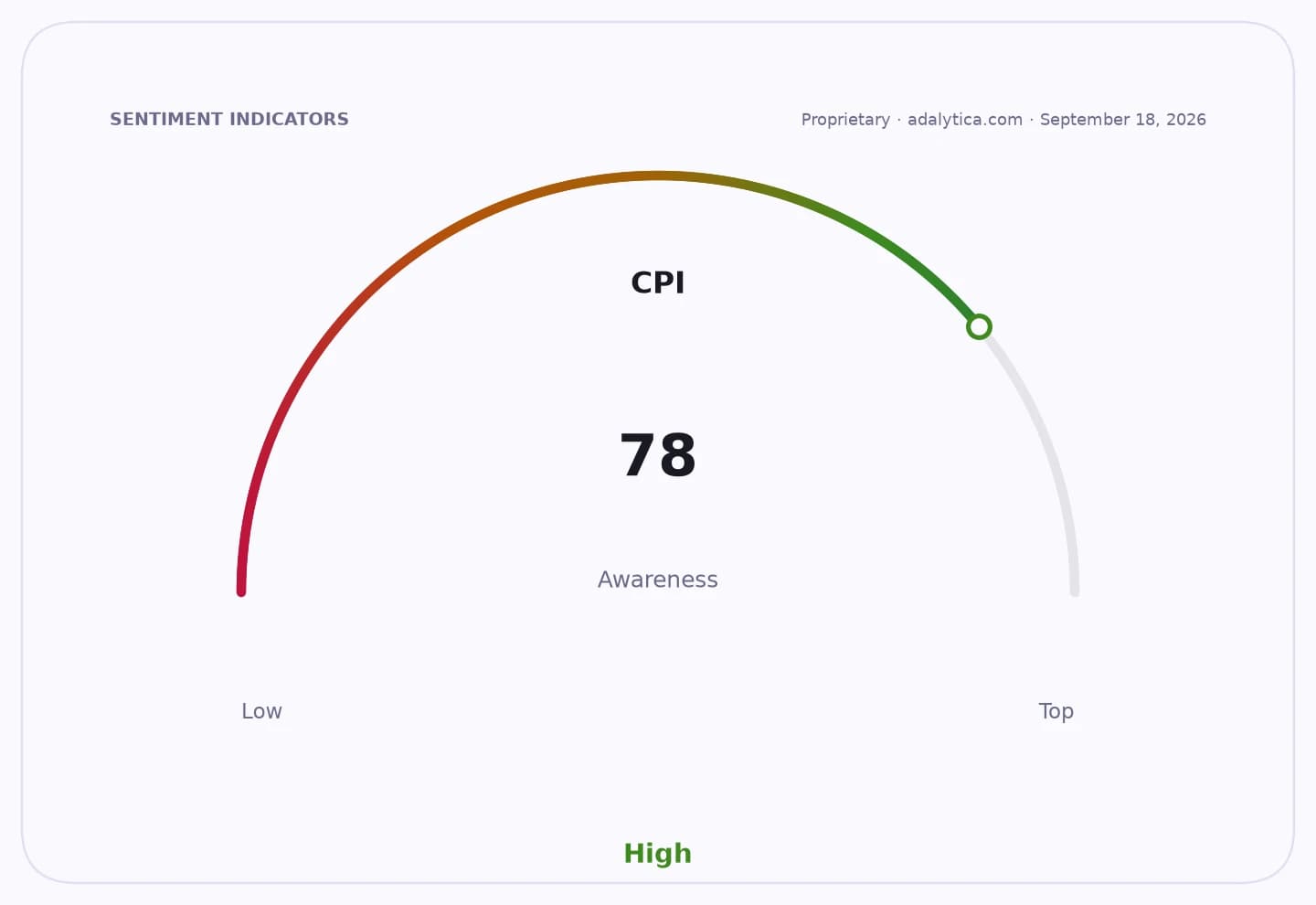
Sentiment IndicatorsⓘProprietary · adalytica.com · September 30, 2026
This is a snapshot — live sentiment, awareness and momentum for 130+ markets update continuously in the dashboard.Open AlphaPulse
That backdrop helps explain the move in agriculture-linked shares. Corteva ended Sept. 30 at $78.44, down from a recent peak of $90.32 on July 29, while Nutrien closed at $70.92 and The Andersons at $65.93. Corteva’s relative strength has faded sharply, with its 14-day RSI dropping to 26.4, a conventional technical gauge that suggests the stock is nearing oversold territory after the selloff. Nutrien’s RSI was 25.7, also pointing to heavy recent selling. The Andersons’ RSI fell to 20.8, reflecting similar pressure across the ag-input complex.
The market reaction underscores how vulnerable the sector is to changing weather patterns. On one hand, crop damage can support grain and oilseed prices if supplies tighten, which may eventually benefit traders and some agribusinesses. On the other, repeated weather shocks can hit the whole value chain if farmers defer purchases, delay planting decisions or face tighter working capital. That is a risk for companies tied to farm economics such as Corteva, Nutrien and The Andersons, as well as broader agricultural commodity merchants.
Macro conditions are adding another layer. U.S. consumer prices were still forecast to rise 0.08% in September from August, while producer prices were expected to edge up 0.03%, suggesting inflation pressures remain contained for now even as food supply risks build. Oil’s rebound to around $96.72 a barrel at month-end may also keep input and transport costs elevated for the farm sector, limiting how much relief weaker crop prices can deliver.
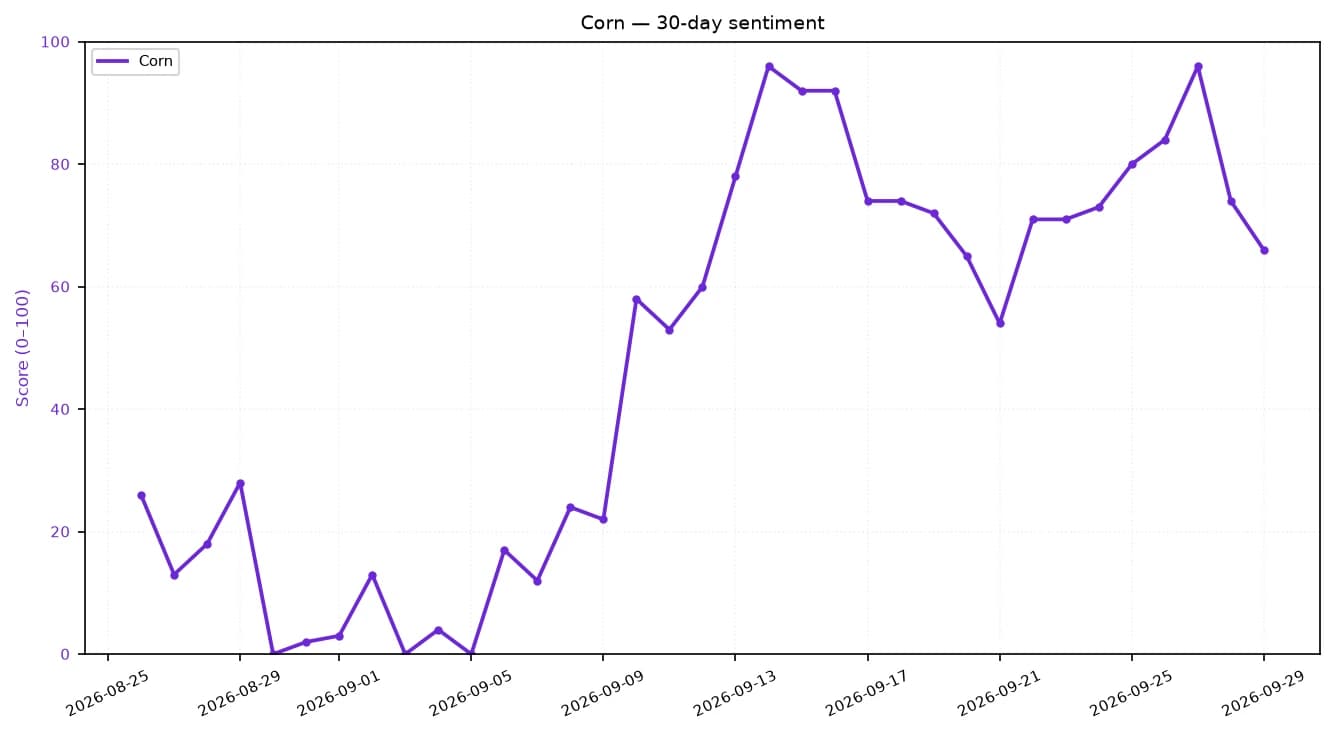
Adalytica’s consumer spending sentiment snapshot remains in “Greed” territory at 75, but the recent swings in the gauge point to fragile confidence beneath the surface. For investors, the key question is whether weather damage turns into a one-off shock or the start of a broader squeeze on farm incomes, commodity flows and ag-input demand going into the next planting cycle.
| Entity | Gains | Losses |
|---|---|---|
| Farmers with insured acreage | ▲payout support | ▼lower yields |
| Crop traders / commodity bulls | ▲tighter supply pricing | ▼harvest uncertainty |
| Corteva, Nutrien, The Andersons | ▲eventual replacement demand | ▼weaker near-term farm spending |
| Consumers / food processors | ▲none | ▼higher input and food costs |