Rice prices in Ecuador have climbed fast enough that consumers in Guayaquil are now paying $0.50 to $0.60 a pound, after the quintal advanced from $27 in July to $37.50 in September and as high as $44 to $52 at piladoras in early October.
Ecuador Rice Prices Rise on Tight Seasonal Supply
The increase matters because rice is one of Ecuador’s core staple foods, so even modest changes in wholesale prices quickly filter into household inflation and squeeze disposable income. A quintal of 100 pounds that was worth about 27 cents a pound in July had already risen to about 38 cents by September on SIPA data, before transport, processing and retail margins pushed shelf prices materially higher this month.
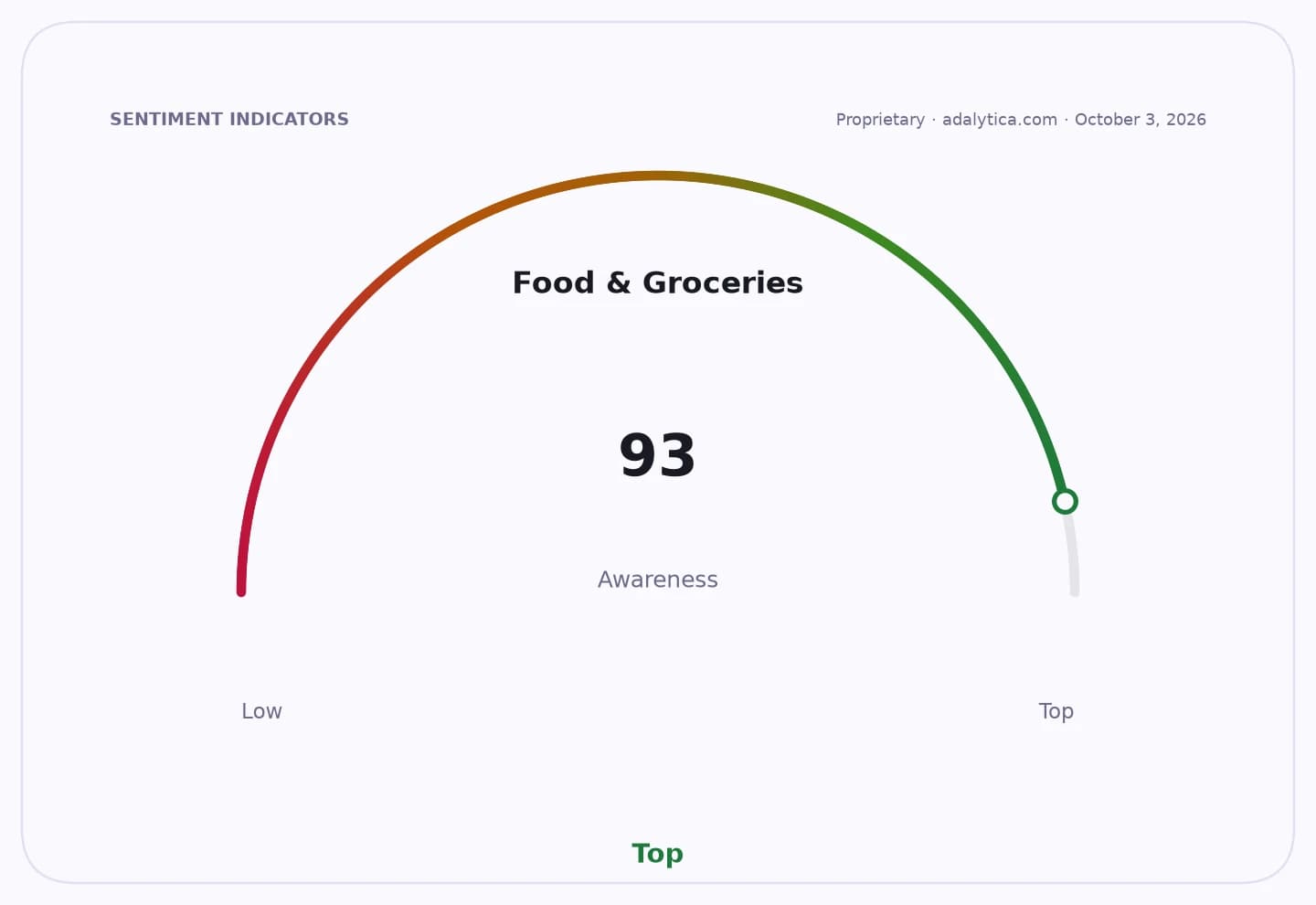
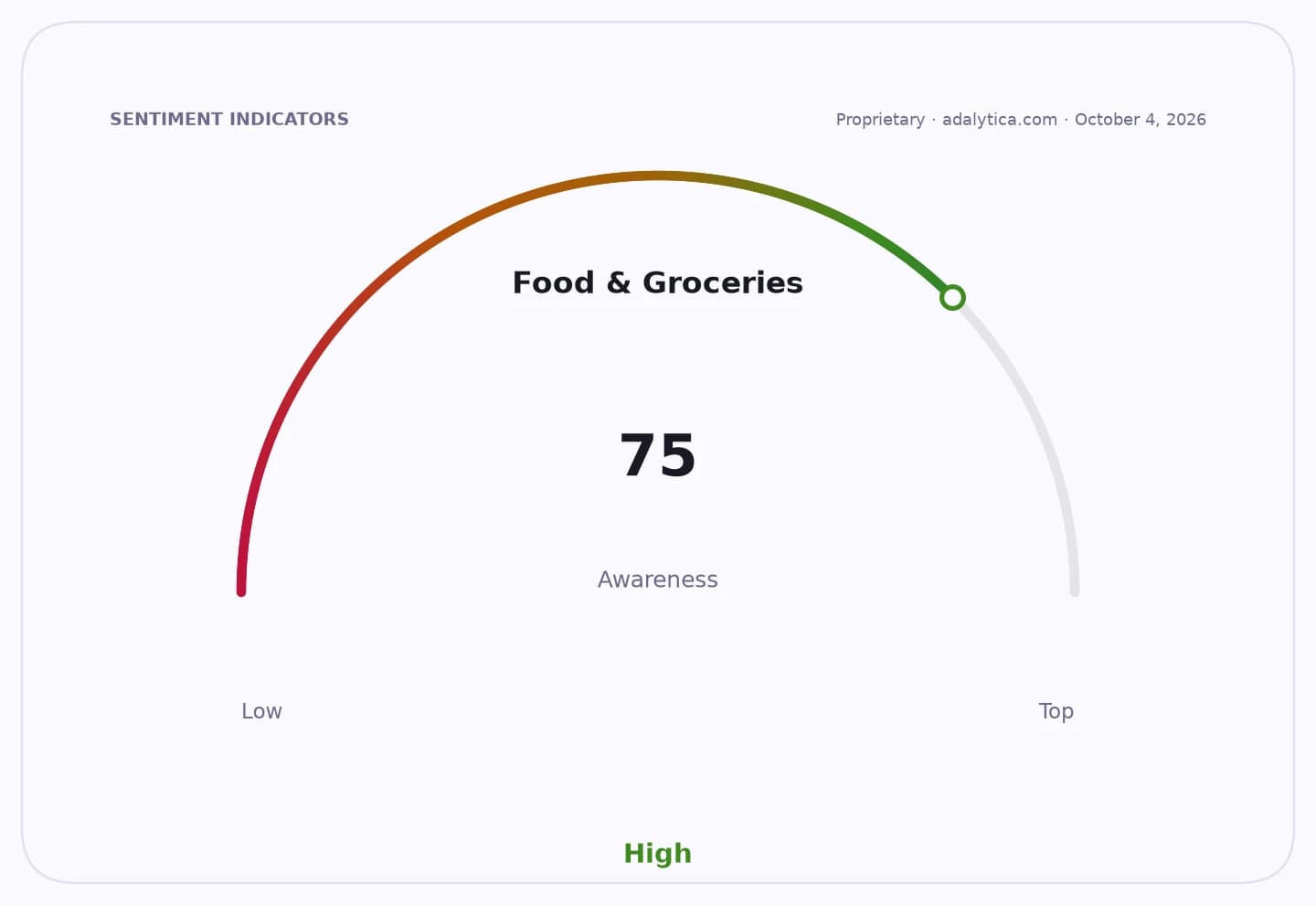
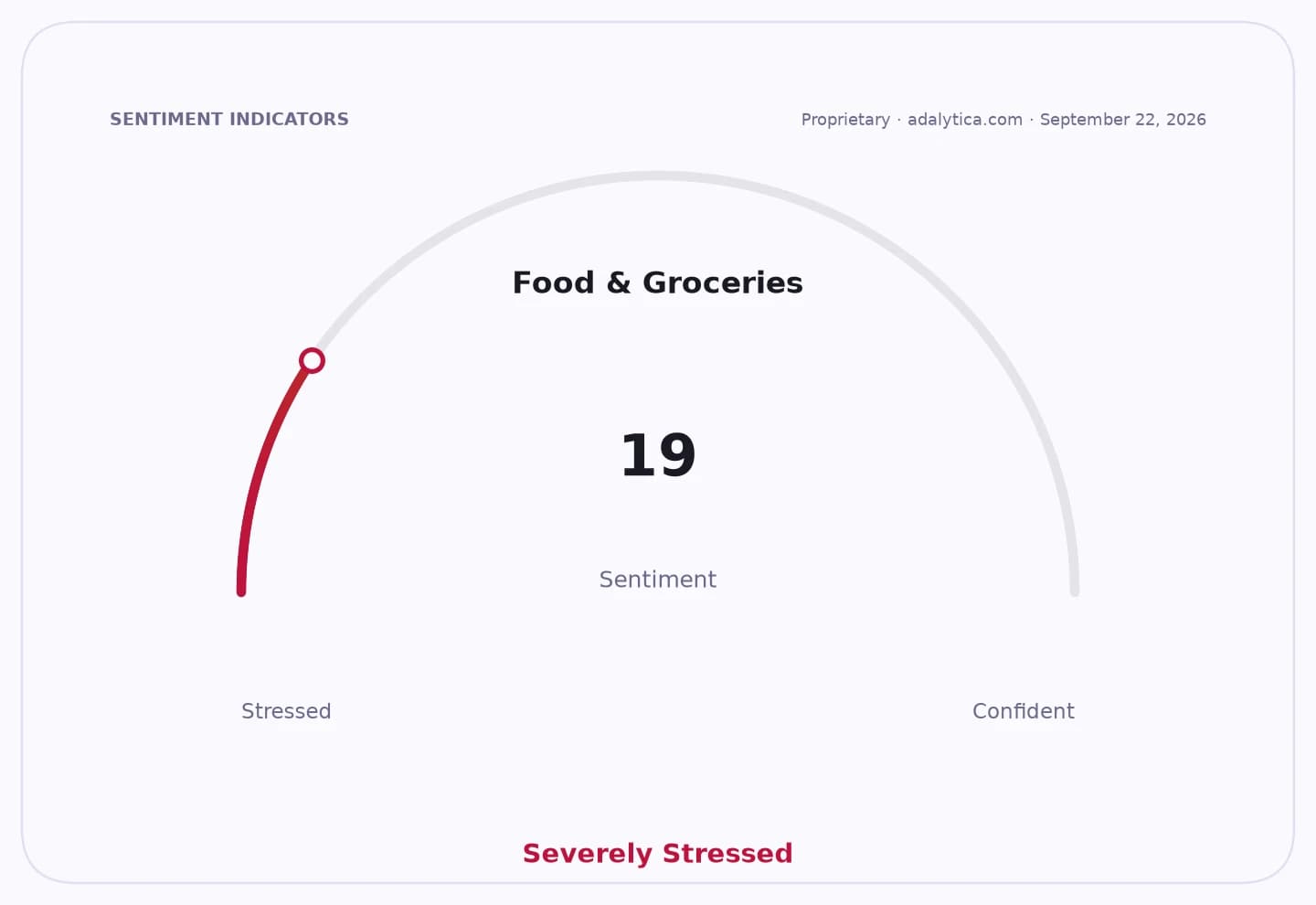
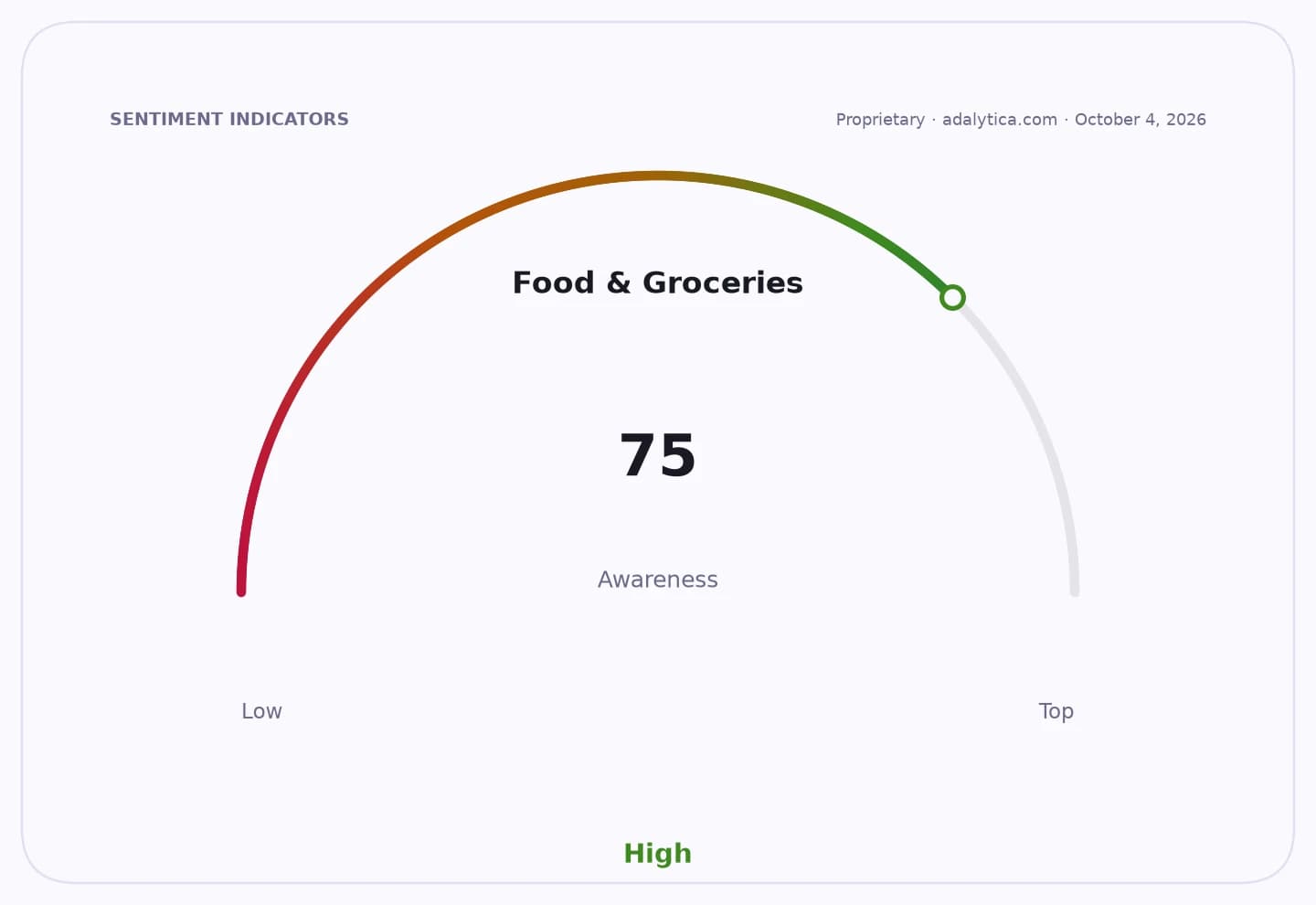
Sentiment IndicatorsⓘProprietary · adalytica.com · October 4, 2026
This is a snapshot — live sentiment, awareness and momentum for 130+ markets update continuously in the dashboard.Open AlphaPulse
For consumers, the jump is immediate. For producers, it is more complicated. Farmer representatives say the rally is being driven less by a genuine nationwide shortage than by the end of the summer harvest in Guayas and Los Ríos, when supply was sufficient to cap prices. Once that flow eased, prices climbed, while worries over rains and flooding added to speculation. José Luis García of the farmers’ defense coordination says Ecuador produces about 900,000 tonnes of milled rice against domestic consumption of 740,000 tonnes, suggesting the market is tight but not structurally undersupplied.
That distinction matters for policy and for investors watching food inflation in the Andean economy. If the price spike reflects distribution bottlenecks and inventory concentration with intermediaries, then retail inflation can stay elevated even without a broad production collapse. If, however, weather damage hits the next crop or farmers withhold supply, prices could stay high for longer and intensify pressure on low-income consumers, merchants and food processors.
The speed of the move is also notable. In the first days of October, some varieties were reportedly being bought at piladoras for $44, $48 and $52 a quintal, equivalent to roughly 44, 48 and 52 cents a pound before commercial costs. In bodegas, those same varieties were said to be trading around $41.95, $46.50 and $49.50 a quintal, up sharply from about $29, $32 and $38.50 only three weeks earlier.
The broader narrative is one of staple-food inflation driven by a narrowing seasonal supply window rather than a full-blown shortage. That leaves the market vulnerable to further weather headlines and hoarding behaviour, while making Ecuador’s food-price path highly dependent on how quickly new harvest supply reaches the market.
| Entity | Gains | Losses |
|---|---|---|
| Rice merchants/intermediaries | ▲Wider trading margins | ▼Consumer backlash |
| Farmers with unsold stock | ▲Higher farmgate prices | ▼Input-cost pressure |
| Ecuadorian households | ▲— | ▼Higher food bills |
| Food inflation watchers | ▲Clear price signal | ▼Less policy room |