Rice prices in Portoviejo have surged 70% in three weeks, a sharp jump that is beginning to squeeze household budgets and signal tighter supplies across one of Ecuador’s most important staples markets.
Portoviejo rice prices jump 70% on supply squeeze
The increase is economically significant because rice is a core food item in a region where any sustained price shock quickly feeds into living costs, consumer inflation and political pressure. Local reports said the quintal rose from $24 to more than $40, while piladoras, or rice mills, in the Crucitas and Charapotó parishes said their reserves have fallen, suggesting the rally is being driven not just by demand but by a real supply constraint.
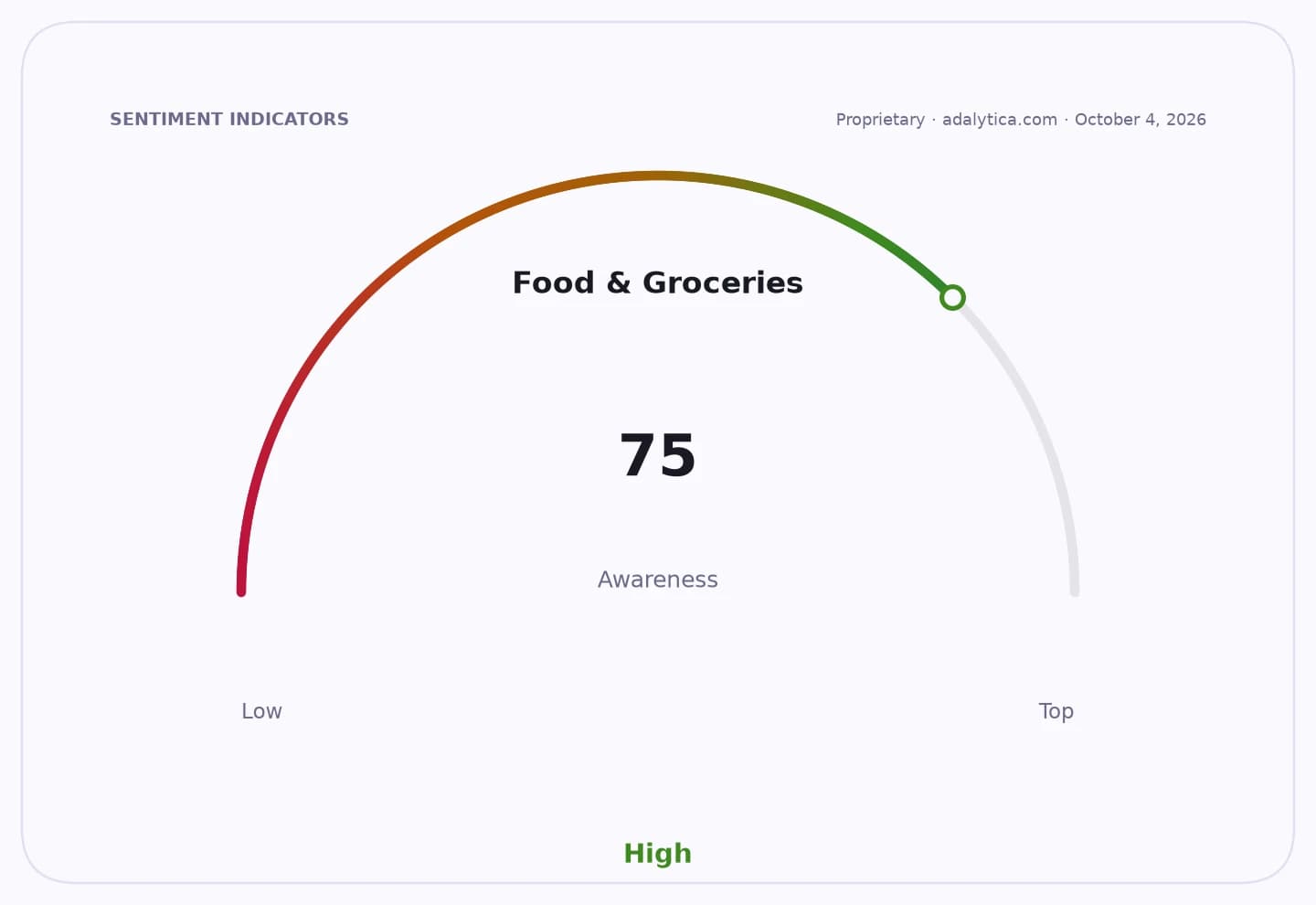
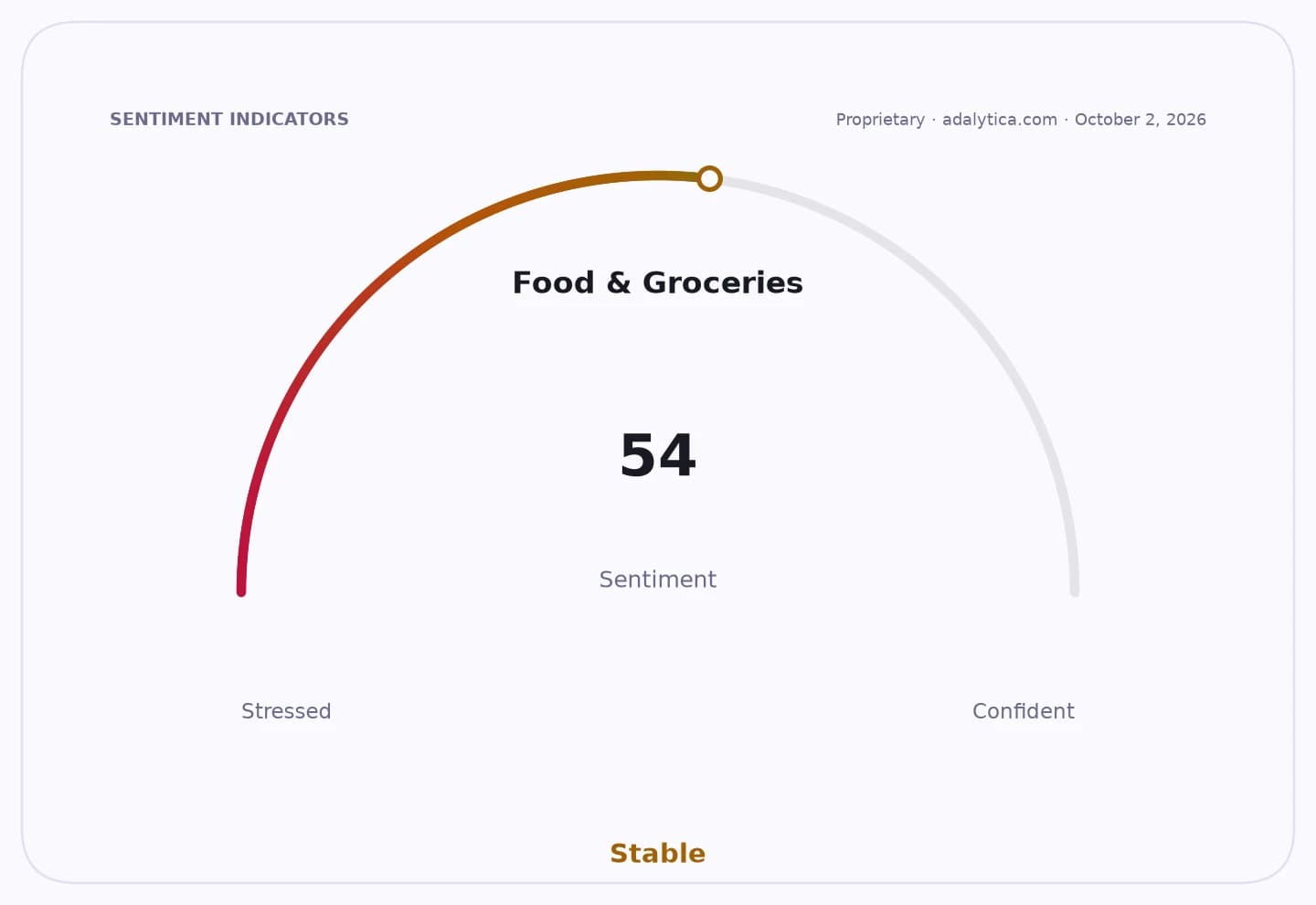
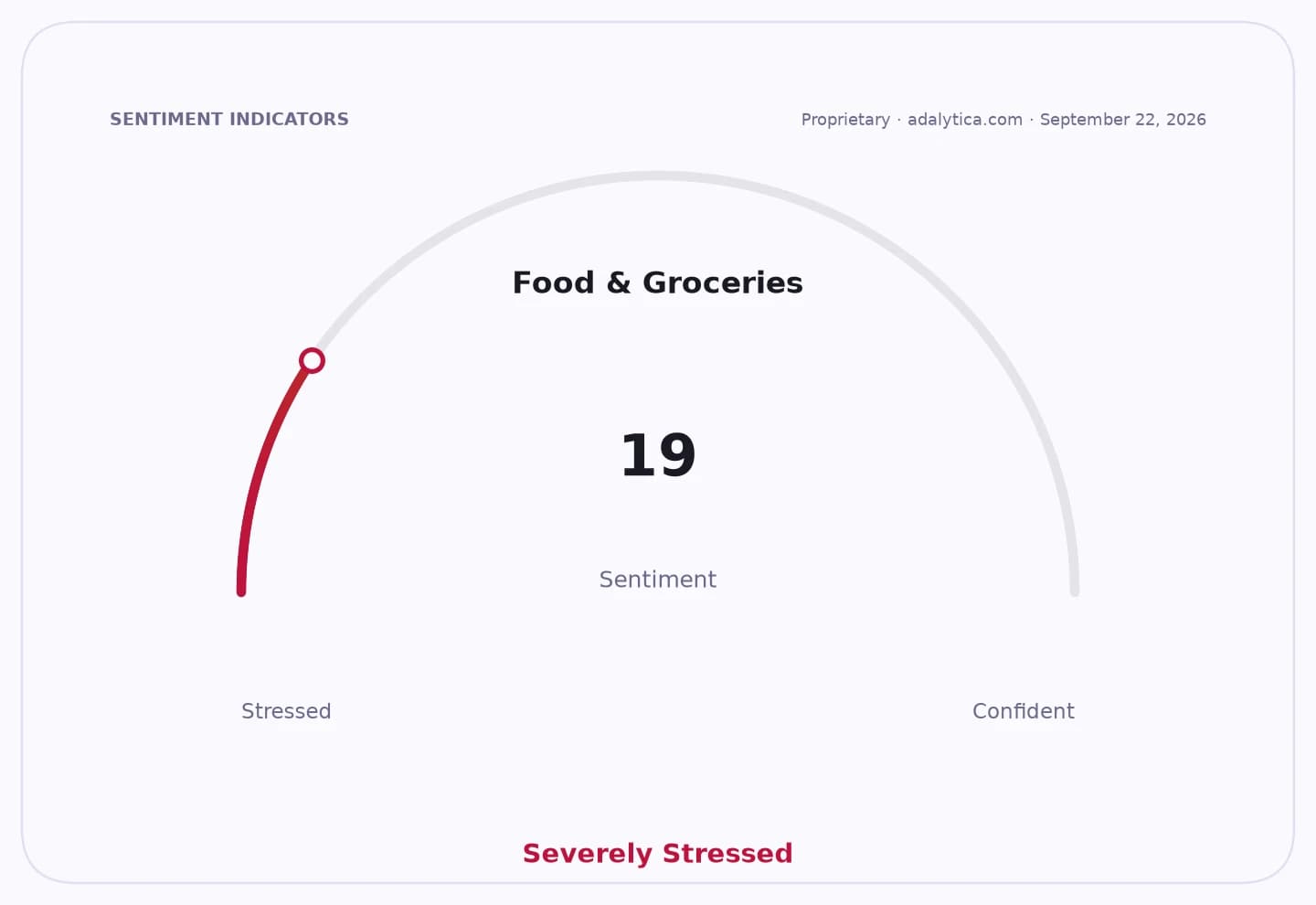
Sentiment IndicatorsⓘProprietary · adalytica.com · October 3, 2026
This is a snapshot — live sentiment, awareness and momentum for 130+ markets update continuously in the dashboard.Open AlphaPulse
For investors and traders, the move matters because food-price spikes can ripple beyond the farm gate. They can lift inflation expectations, complicate policy at a time when broader price pressures are already sensitive, and create opportunities and risks across agricultural supply chains. In the US, rice-related and grain benchmarks have also been volatile, with the WEAT and CORN ETFs showing recent price swings and weak near-term momentum on standard technical indicators such as the 50-day moving average, RSI and MACD, underscoring that grain markets remain vulnerable to weather and supply shocks.
The local shortage narrative is reinforced by the wider market backdrop. Recent reporting has pointed to rice price gains in other markets, including a 15% to 20% rise in basmati prices, as weather risks, commercial input costs and import concerns feed into global volatility. That creates a plausible transmission channel for Ecuador, where reduced mill inventories can quickly tighten spot availability and accelerate restocking demand.
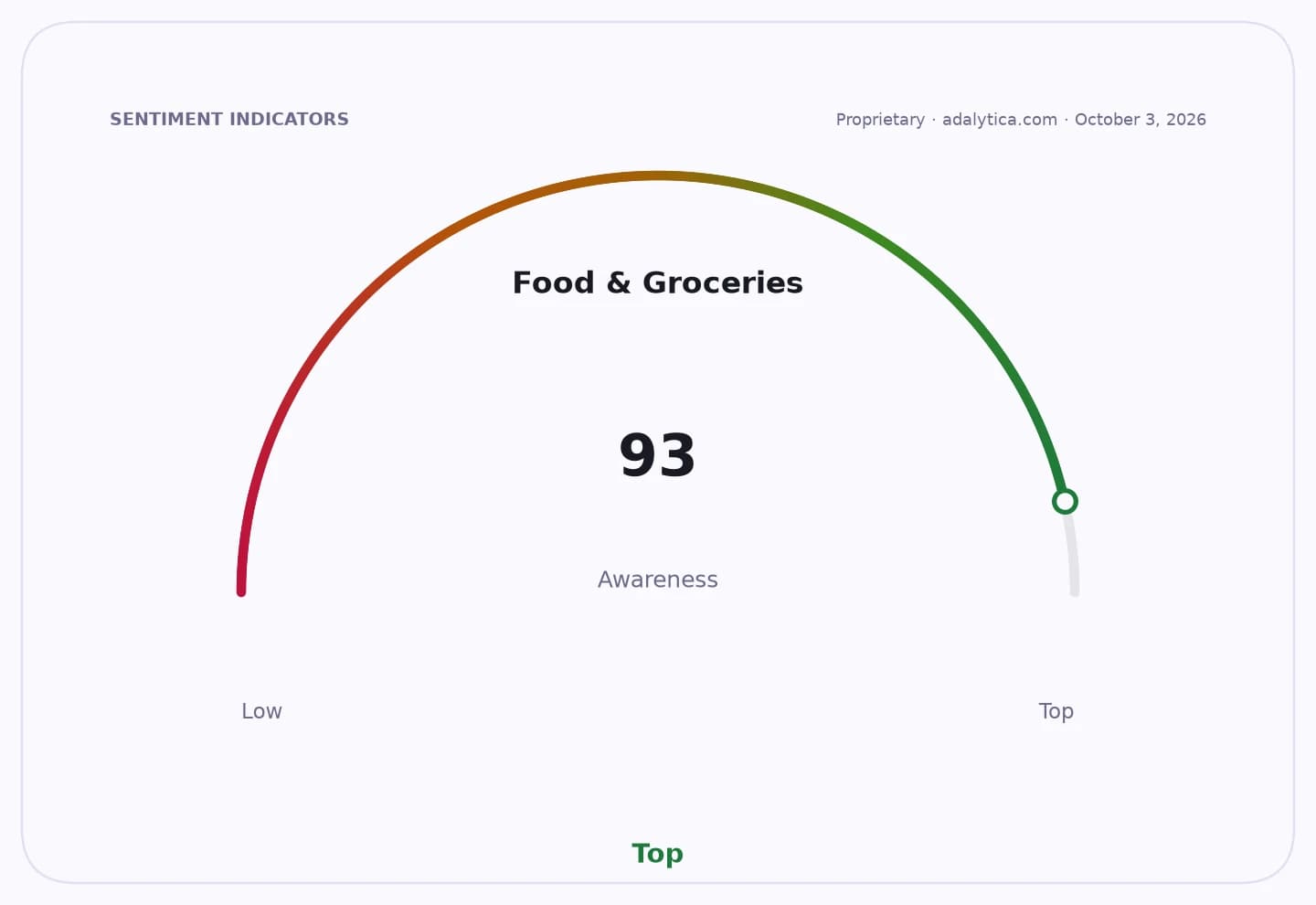
Adalytica’s food-and-grocery spending sentiment remains elevated, while its CPI sentiment is at an extreme reading, reflecting how quickly food inflation has become a market focus. If the Portoviejo spike persists, it could widen the gap between urban consumer costs and farmgate economics, benefiting holders of inventory and hurting buyers, retailers and low-income households most exposed to staple prices.
The key question now is whether the surge is a temporary restocking squeeze or the start of a broader supply reset. If reserves continue to shrink, price pressure could remain sticky into the next buying cycle; if arrivals improve, the spike may ease, but not before consumers and merchants absorb the shock.
| Entity | Gains | Losses |
|---|---|---|
| Rice holders / millers | ▲Higher selling prices | ▼Smaller inventories |
| Farmers | ▲Better farmgate pricing | ▼Input-cost pressure |
| Consumers in Portoviejo | ▲None | ▼Higher staple costs |
| Retailers / food buyers | ▲None | ▼Restocking expense |