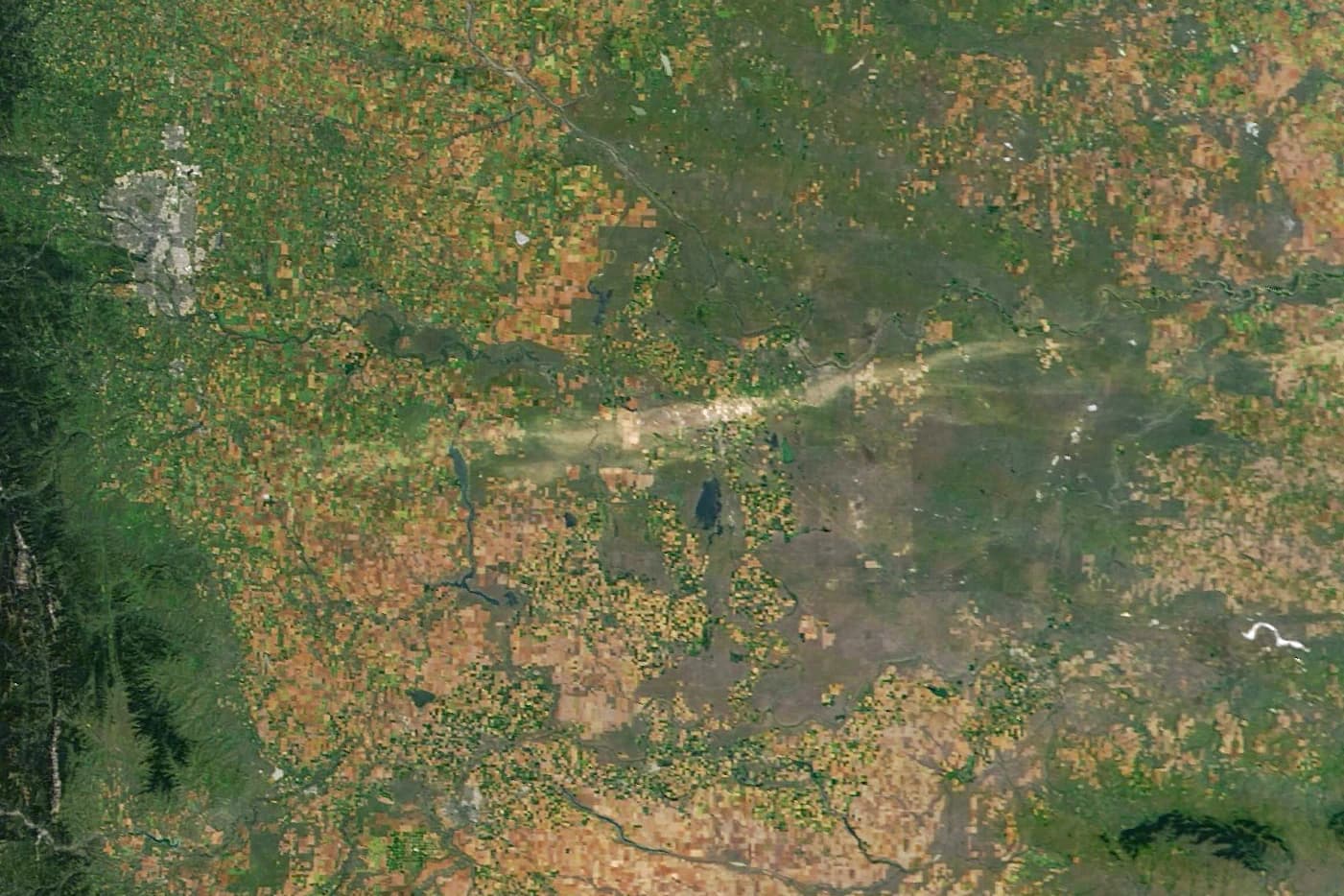
Europe’s record-hot, drought-hit summer has cut grain production by 16.7 million tonnes and wiped an estimated €3.2 billion from crop value, tightening a major slice of global supply at a time when food prices are already elevated.
Europe drought cuts grain output by 16.7 million tonnes
That matters for India because the immediate risk is not a direct pass-through from Europe, but a higher floor for international grain prices if weather damage spreads across other exporting regions. India’s food inflation has repeatedly shown how quickly cereals, fodder and feed costs can filter into household budgets, so even a foreign supply shock can become relevant if it coincides with weak domestic harvests, thin inventories or import dependence in selected staples.
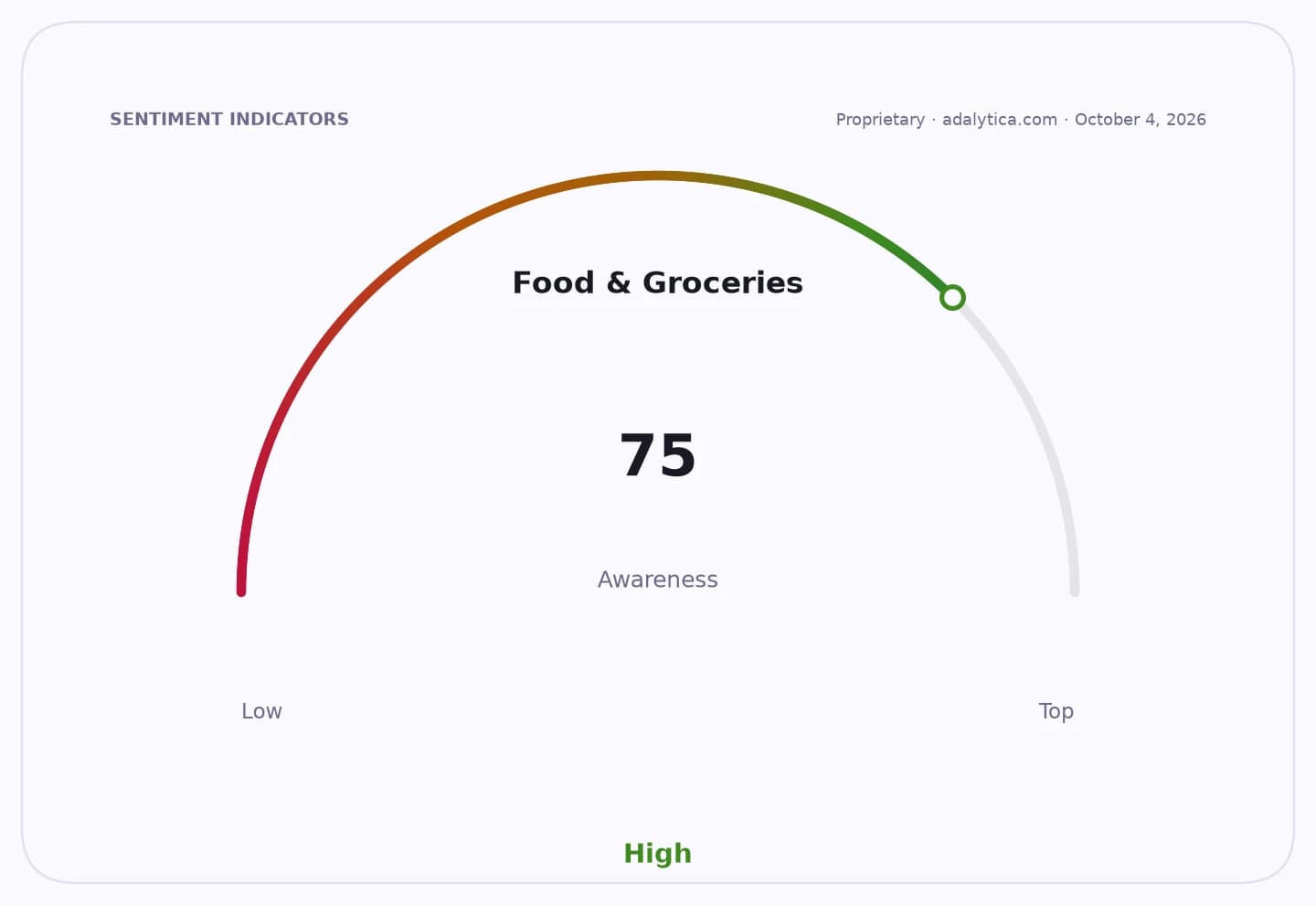
Sentiment IndicatorsⓘProprietary · adalytica.com · October 4, 2026
This is a snapshot — live sentiment, awareness and momentum for 130+ markets update continuously in the dashboard.Open AlphaPulse
The Energy and Climate Intelligence Unit’s estimate, based on COCERAL forecasts, suggests the damage worsened as the season progressed. The September loss estimate is 8 million tonnes higher than July’s projection, underlining how extreme heat and drought continued to impair yields well after the first forecasts were made. France accounted for the largest hit at 5.8 million tonnes, followed by Hungary, the UK, Germany and Spain. Wheat suffered from heat during kernel filling, while maize was hit during pollination, two stages that are especially sensitive to weather shocks.
The broader concern is that Europe’s output loss is arriving on top of an already tight global food backdrop. Global food prices have climbed to their highest level since 2022, near a four-year peak, and the FAO has linked the move to supply disruptions and currency swings. In that environment, a shortfall in one of the world’s major agricultural regions can amplify volatility even if it does not on its own trigger a new price spike.
For India, the transmission channel runs through import prices, domestic availability and policy. If global wheat or feed-grain prices rise, the pressure can show up in products that depend on cereals and animal feed, from flour and edible staples to dairy and livestock-linked foods. The degree of impact will depend on how much of the shock is absorbed by India’s own crop output, state stocks and trade management. That makes the European losses more of a warning signal than a forecast of immediate inflation trouble.
Investor attention is likely to stay focused on agri-commodity pricing, food processors and input-sensitive businesses. Higher grain costs can squeeze margins for consumer goods and animal feed producers, while benefiting growers and grain traders if prices remain firm. Exchange-traded funds tracking wheat and corn have already reflected that tension: after sharp swings through the summer, both have remained volatile, with wheat still above its 50-day moving average and corn close to its shorter-term trend but off recent highs. The message is that markets are still pricing weather risk rather than assuming relief.
The longer-term implication for policymakers and investors is that food inflation is becoming less about one-off weather events and more about overlapping climate shocks. Europe’s losses do not guarantee higher Indian inflation, but they reinforce a shift toward more fragile global supply chains. If adverse weather also hits North America, the Black Sea or South Asia, India could face a sharper terms-of-trade hit and a more complicated inflation outlook than headline domestic harvest data alone would suggest.
| Entity | Gains | Losses |
|---|---|---|
| Global grain producers | ▲Higher prices | ▼Smaller harvests |
| Indian consumers | ▲Potentially stable prices if domestic supply holds | ▼Higher food bills if imports rise |
| Grain traders/feed users | ▲Volatility and trading opportunities | ▼Margin pressure from cost spikes |
| Farmers in deficit regions | ▲None | ▼Yield losses and income hit |