Food prices are emerging as the next inflation shock for bond markets, raising the risk that central banks will have to keep rates higher for longer even as growth cools.
Food Prices and Bond Market Inflation Risks
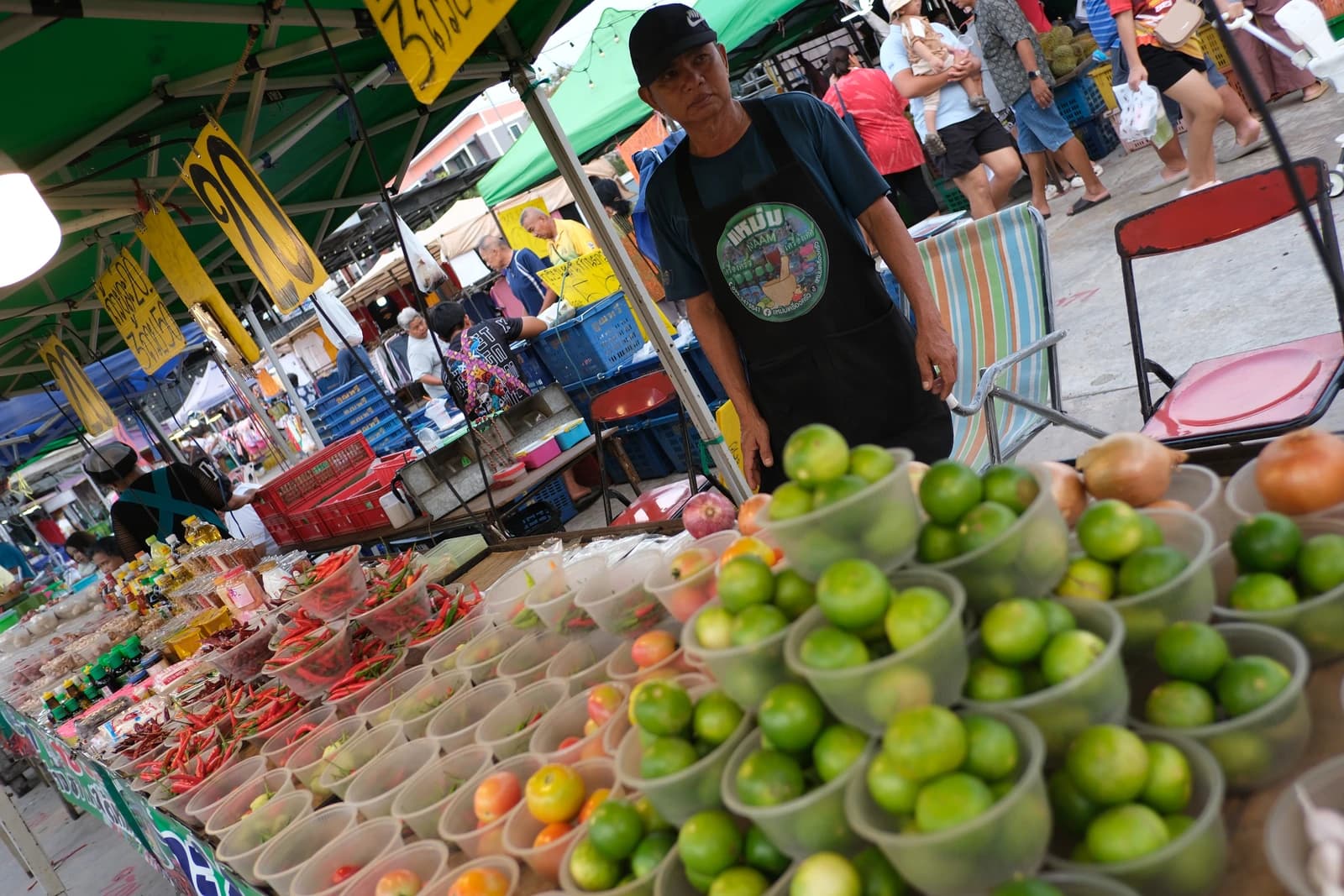
Investors who spent much of this year focused on oil and gas are now turning to a different source of price pressure: staples. El Niño, fertilizer shortages, shipping disruptions and the after-effects of summer heat and wildfires in Europe are all seen as possible triggers for a renewed climb in food costs. That matters because food remains one of the most politically sensitive components of consumer inflation and, if it rises broadly and persistently, can bleed into wage demands and longer-term inflation expectations.
Sentiment IndicatorsⓘProprietary · adalytica.com · September 27, 2026
This is a snapshot — live sentiment, awareness and momentum for 130+ markets update continuously in the dashboard.Open AlphaPulse
For bondholders, the problem is not only the direct hit to headline inflation but also the possibility that food shocks become self-reinforcing. Central banks can often look through temporary energy spikes, but a prolonged increase in grocery prices is harder to ignore. The Bank of England has already flagged “upside risks to food inflation” through 2027, while investors are increasingly wary that markets have not fully priced the threat.
That caution is showing up in positioning. Carmignac, Fidelity International and Troy Asset Management are buying inflation protection or trimming exposure to countries most vulnerable to imported food shocks. Marie-Anne Allier, who co-manages 7.6 billion euros at Carmignac, said the next supply shock will likely come from food and is not yet reflected in markets. The firm has been adding inflation-linked government debt in the U.S. and Europe, using dips in five-year breakeven rates as entry points. Those breakevens, a market gauge of expected inflation, are being watched closely as food prices start to feed into medium-term pricing.
The scale of the concern is reflected in data. A United Nations gauge of key food prices is at its highest since late 2022, and JPMorgan economists project global food inflation could accelerate to 5% in the first half of 2027 from 2.8% in the same period this year. Barclays expects the shift to show up in Europe as soon as this autumn if crop yields and export flows remain under pressure.
The bond market is already sensitive. U.S. Treasury yields have been trading near levels last seen before the global financial crisis after a year of heavy pressure from energy prices and fiscal concerns. Adalytica’s 5-year inflation breakeven sentiment sits in “fear” territory, while long-term inflation expectations are also flagged in “extreme fear,” underscoring how little room investors see for another inflation surprise.
The market impact is likely to be uneven. Import-dependent economies such as Egypt and Turkey are vulnerable if food inflation meets weaker currencies. In Asia, countries such as India and the Philippines, where food has a large weight in consumer baskets, could also face sharper inflation pass-through. Eastern Europe is another pressure point because the war in Ukraine continues to distort grain exports, while drought has already pushed up imports in Hungary.
There is a counterargument: slower growth could cap the inflation pass-through and limit how aggressively central banks respond. JPMorgan Asset Management’s Karen Ward argues labor markets in Europe and the U.S. are not strong enough to sustain a broad wage spiral. But that is a fragile comfort for bond investors after a year in which economies have proved more resilient than many expected.
For now, the market is treating food as more than a weather story. If prices keep climbing into the autumn and winter, the issue will move from farmers and supermarket shelves into the core debate over rates, inflation expectations and duration risk.
| Entity | Gains | Losses |
|---|---|---|
| Inflation-linked bond holders | ▲Higher protection value | ▼Conventional nominal bonds |
| Food producers/exporters | ▲Better pricing power | ▼Food importers |
| Central banks | ▲Less need to ease quickly | ▼Rate-cut expectations |
| Import-dependent countries | ▲— | ▼Egypt, Turkey, parts of Asia |