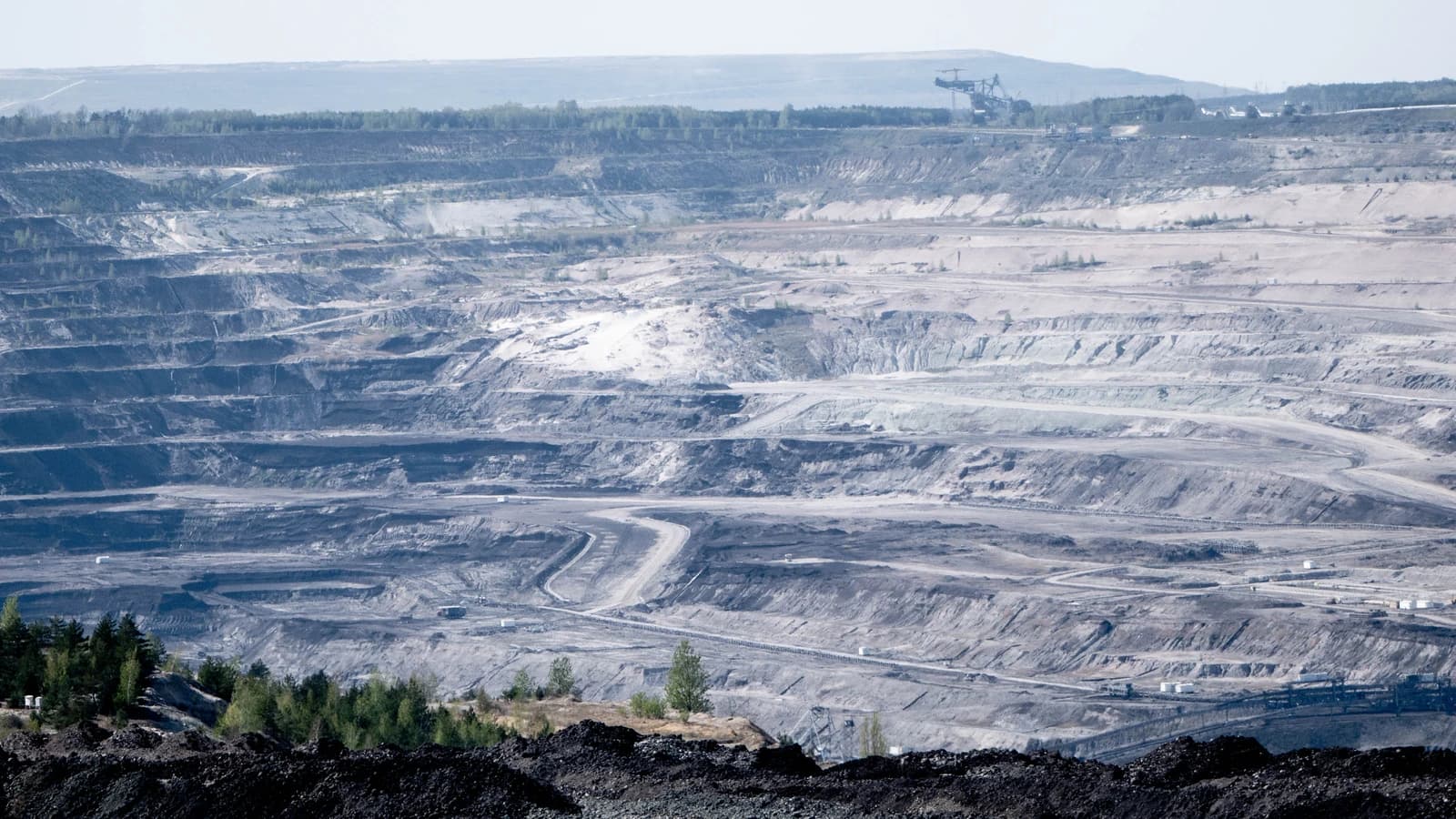
BRS leaders say Telangana’s power system is being destabilized by coal shortages, forcing thermal units offline and deepening cuts to farms and industry in a state that controls 51% of Singareni Collieries.
Telangana coal shortages cut thermal power output
The opposition party’s warning matters because coal availability, not installed capacity, is now the binding constraint on Telangana’s electricity supply. When thermal stations cannot get fuel of the right grade, generation falls, reserve margins shrink and the state has to lean on emergency measures such as diesel backup for factories and load-shedding for agriculture.
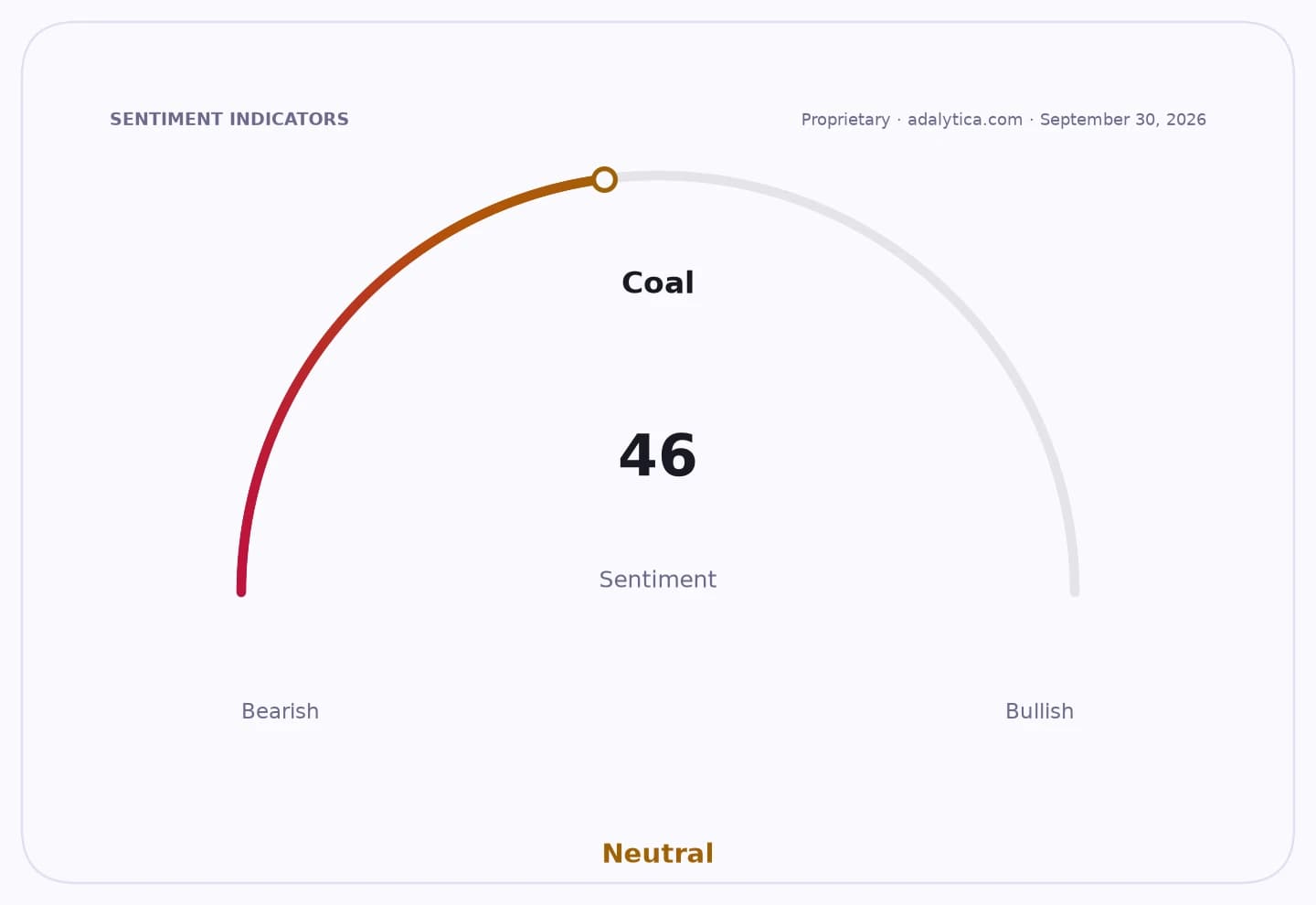
Sentiment IndicatorsⓘProprietary · adalytica.com · September 30, 2026
This is a snapshot — live sentiment, awareness and momentum for 130+ markets update continuously in the dashboard.Open AlphaPulse
BRS MLC D. Sravan Kumar accused the state government of “administrative incompetence and policy paralysis,” saying TGGENCO units are running far below rated capacity or have shut entirely. The party said the 4,000 MW Yadadri Thermal Power Station is producing only a fraction of output, one unit at Bhadradri has tripped, and agricultural supply has been cut to six hours a day.
The delegation said the 500 MW KTPP Bhupalpally unit and the 800 MW YTPS unit were shuttered by late June, which it described as the first time in state history that plants stopped purely because of coal shortages. It also alleged that premium-grade coal was being diverted outside the state while local plants went short, a politically sensitive charge in a sector central to Telangana’s industrial and farm power needs.
Economically, the strain raises the risk of higher operating costs, lost industrial output and pressure on state finances if power producers are forced to buy costly replacement fuel or run inefficient backup systems. Pending dues of more than Rs 52,000 crore between the parties add another layer of stress to an already fragile supply chain.
The opposition also demanded full fuel supply agreement, or FSA, coal entitlements for all TGGENCO stations, monthly grade-wise dispatch disclosures, compensation for grade slippage losses and a probe into the missing 40 lakh tonnes of coal, valued at Rs 1,600 crore. If the allegations hold, the issue moves beyond a supply dispute into questions of governance, auditing and state-level energy security.
For investors, the immediate read-through is less about one plant than about reliability across India’s coal-linked utilities and miners. Shares of publicly traded coal and power names can react sharply when supply discipline, dues recovery and fuel availability come under scrutiny, especially with coal prices, power demand and state utility payment delays already under watch.
The next catalyst is whether Singareni or the Telangana government responds with dispatch data, reserve targets and a timeline for restoring supply. A credible audit or formal probe would raise pressure on the state, while continued outages would keep the spotlight on coal logistics and power reliability ahead of peak demand.
| Entity | Gains | Losses |
|---|---|---|
| BRS opposition | ▲Political traction | ▼None if shortages persist |
| Telangana consumers & farmers | ▲Potential relief if supply improves | ▼Load-shedding, lower farm power |
| TGGENCO & state govt | ▲Accountability if fixes follow | ▼Blame for outages and shortages |
| Coal suppliers/dispatchers | ▲Higher scrutiny | ▼Risk of audits, penalties |