Poland is edging toward a longer life for coal, and the bill could run into billions of zlotys a year as the government weighs energy security against a shrinking domestic market and structurally high mining costs.
Poland Weighs Coal Subsidies and Longer Mining Life
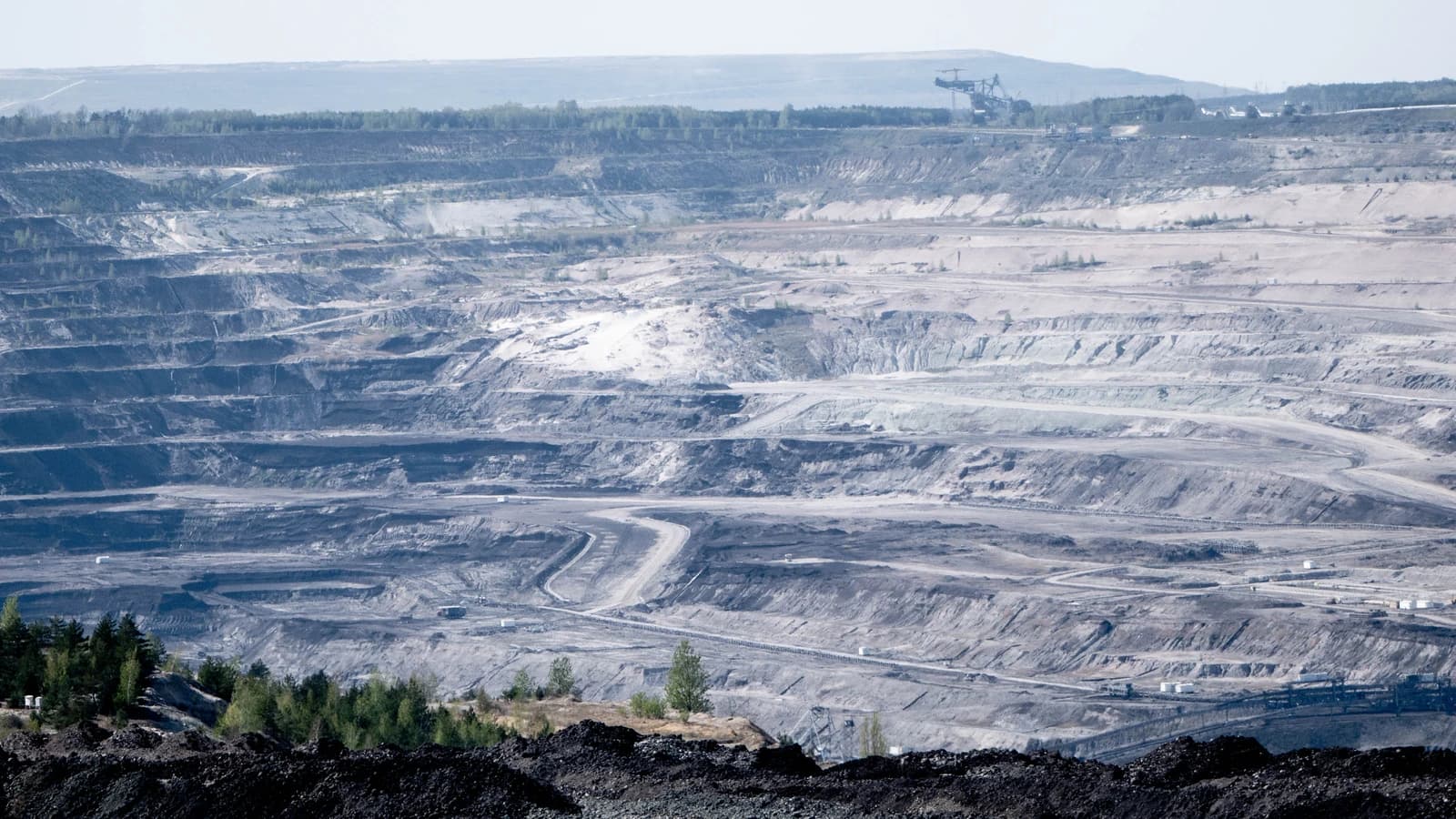
The most important development is not that Warsaw is suddenly embracing coal again — it never fully abandoned it — but that officials are openly revisiting how much domestic output should be kept alive for the next 10 to 15 years, even as the state prepares fresh rules to keep subsidy flows going to the sector. That puts a fiscal price tag on a political choice: either fund more mining losses now, or accept faster decline in a system still dependent on coal for power and industrial supply.
Sentiment IndicatorsⓘProprietary · adalytica.com · October 3, 2026
This is a snapshot — live sentiment, awareness and momentum for 130+ markets update continuously in the dashboard.Open AlphaPulse
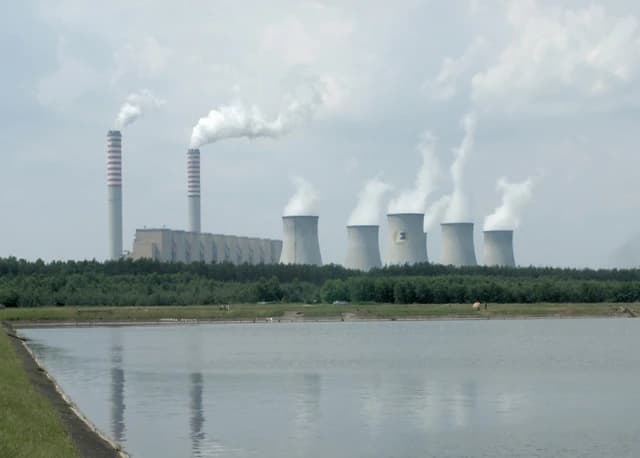
Deputy state assets minister Grzegorz Wrona said Poland needs to reassess its approach to coal in a period of geopolitical instability so the fuel can be mined “effectively and optimally cost-wise” over the coming decade and a half. He named Bogdanka, the Silesian basin and Jastrzębska Spółka Węglowa’s northern mines among possible production bases, reflecting a narrower bet on deposits seen as more valuable and easier to justify than the rest of the sector.
At the same time, the energy ministry published a draft regulation to tighten the rules for subsidizing cuts in mining capacity, a move that would allow state aid to continue. In practice, the draft would first cover Polska Grupa Górnicza and Południowy Koncern Węglowy, with scope later expanded to other hard coal producers. It also clarifies eligible costs, reference-price methods and the definition of capacity reduction, while preserving exceptions to the planned decline path when energy security, geological incidents or adverse geopolitical conditions are cited.
That matters because Poland’s coal industry still relies on large budget transfers to stay afloat. The new framework would make it easier to keep paying those subsidies even as the sector’s economics deteriorate. Bartłomiej Orzeł of Project Tempo said PGG’s average extraction cost exceeds 850 zlotys a ton, meaning each additional ton from Silesian mines can add several hundred zlotys of losses. On his estimate, raising hard-coal output by 1.2 million tons could lift the budget burden by as much as 500 million zlotys.
The fiscal exposure extends beyond that single increment. Wrona said 7,200 miners are expected to leave the industry this year even as production rises by 1.2 million tons, underscoring how the sector is trying to preserve output while shrinking its workforce. But Orzeł argued that, outside Bogdanka, the economics remain poor because Poland mines mainly underground, while imported coal often comes from open-pit operations or lower-cost producers abroad and remains competitive even after freight.
For investors, the story is a split-screen between the few assets that may still earn their keep and the broader sector that remains a drain on public finances. Bogdanka stands out as the most plausible winner because it can focus on its most profitable seams and already operates as a commercially oriented producer. The rest of the industry looks more like a managed runoff supported by the budget, with every additional year of life requiring political cover and financial support.
The policy tension is sharpened by Poland’s own energy transition plans. Forum Energia data cited in the report show coal’s share in power generation has fallen to 52% from 83% in 2015, while the government’s energy and climate plan envisages hard-coal demand falling to 19 million to 28 million tons in 2030 and renewable power rising to as much as 53% of generation by then. That suggests the structural direction of travel is still down, even if temporary delays in gas plants, nuclear build-out or storage capacity could keep coal demand higher than officials currently expect.
That leaves coal as both a security buffer and a costly hedge. In the near term, a more generous subsidy regime may support miners, Silesian employment and supply reliability. Over time, though, it risks locking in losses for an industry that is increasingly hard to defend on pure economics, especially if imported coal stays cheaper and power demand shifts toward gas, nuclear and renewables.
Investors should read the debate as a sign that Poland is likely to choose continuity over abrupt closure, but not necessarily over the long run. The probable outcome is not a revival of coal, but a slower, more expensive managed decline — one that may protect selected mines such as Bogdanka while leaving taxpayers to absorb the cost of keeping the rest of the sector on life support.
| Entity | Gains | Losses |
|---|---|---|
| Bogdanka | ▲higher output potential | ▼still needs capex |
| PGG and PKW | ▲continued state aid | ▼persistent losses |
| Polish budget | ▲energy security buffer | ▼higher subsidy burden |
| Coal importers | ▲cheaper supply share | ▼weaker domestic demand |