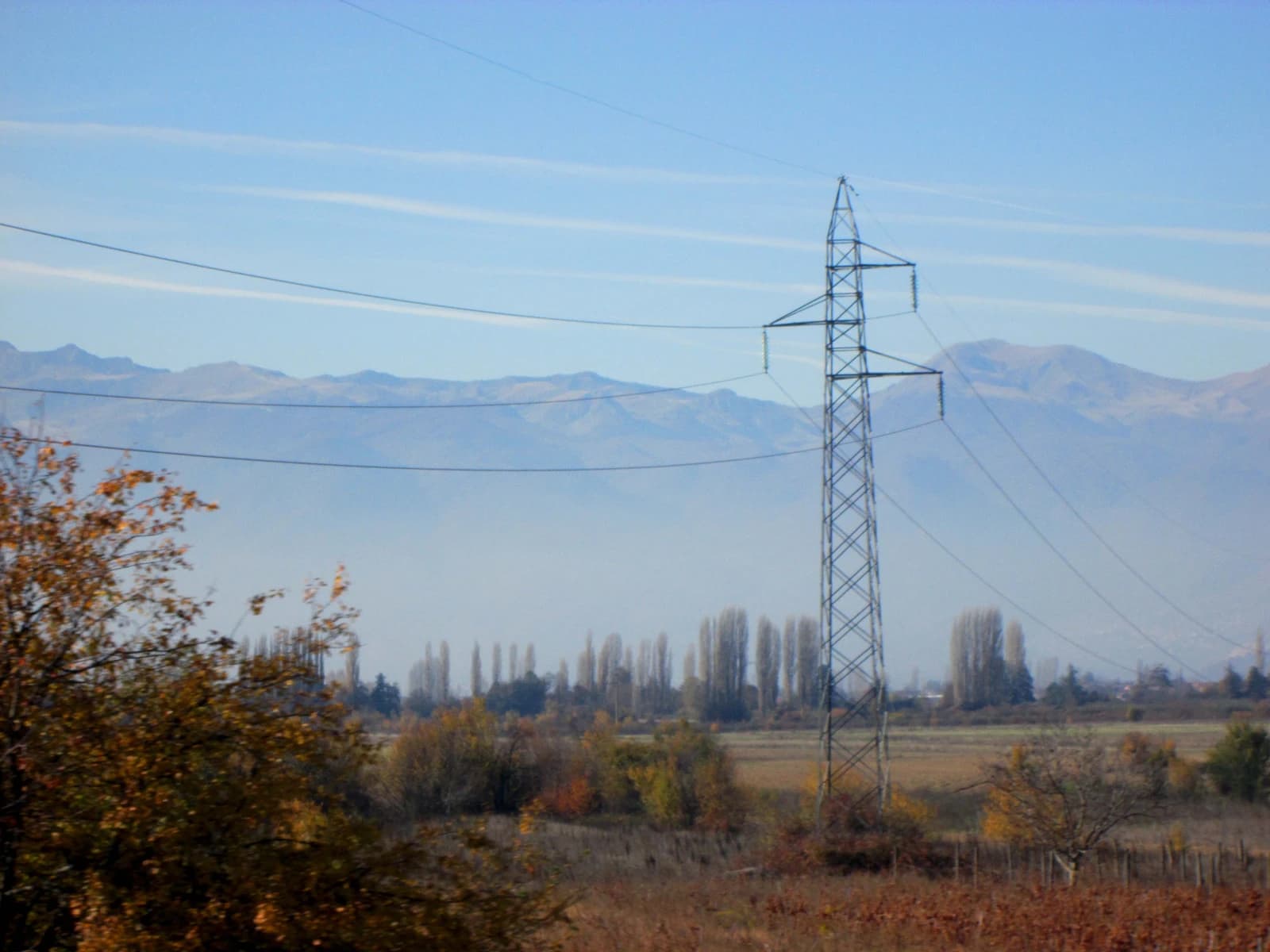
Zimbabwe’s latest bout of load shedding is a reminder that the country’s electricity shortage is not just an inconvenience — it is a direct drag on output, household spending and investor confidence.
Zimbabwe load shedding hits output and investor confidence
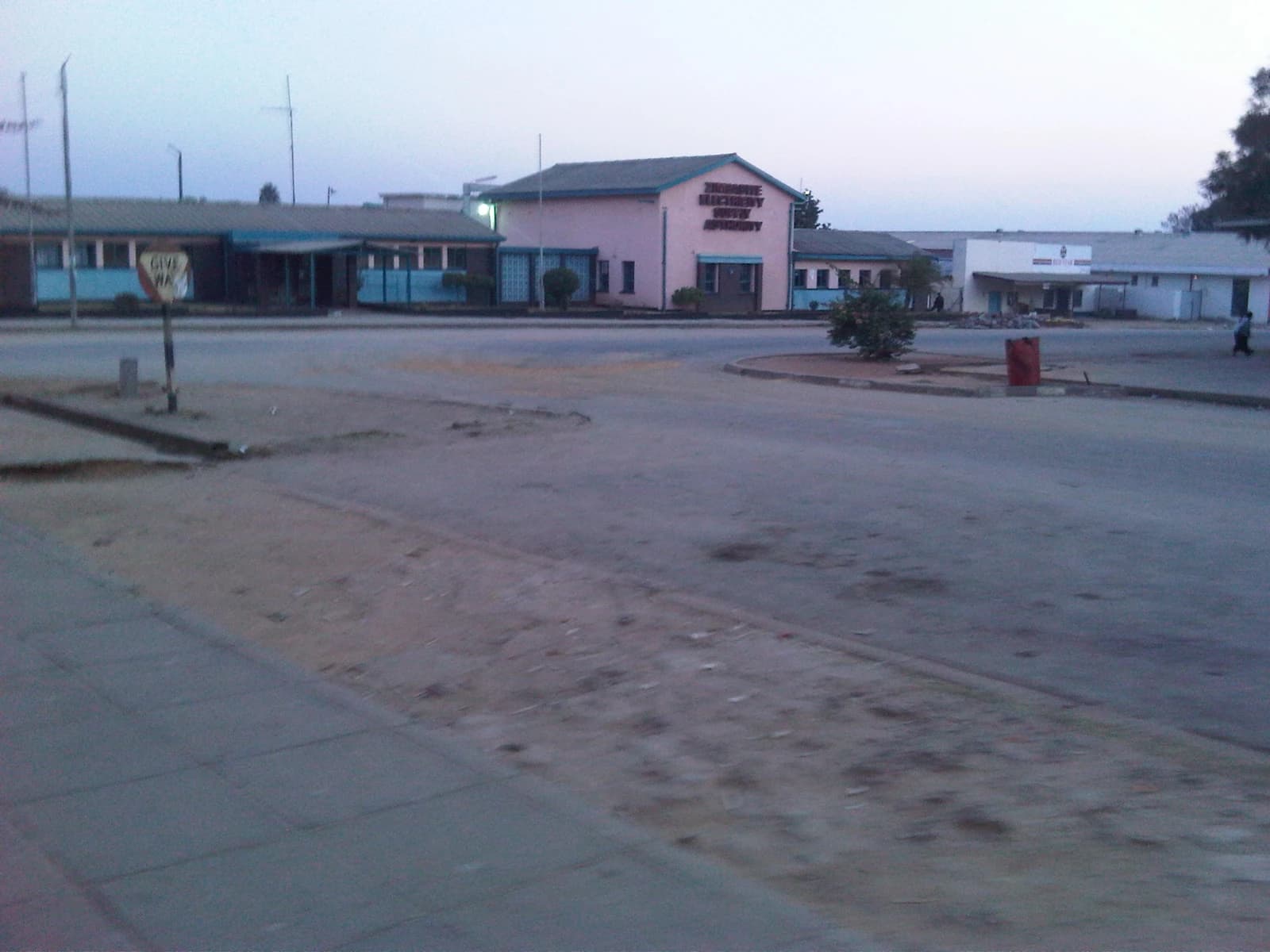
For households, more than 10 hours a day without power means higher costs as people turn to generators, batteries and alternative fuels. For businesses, it means lower factory utilization, interrupted services and a weaker ability to plan production. Over time, that kind of energy disruption acts like a tax on the entire economy, especially in a country already trying to preserve scarce foreign currency and keep inflation pressures from re-accelerating.
The Zimbabwe Electricity Transmission and Distribution Company said the cuts were caused by depressed generation at its power stations. That matters because the problem is not a one-off transmission glitch; it points to a supply-side weakness at the heart of the system. When generation falls short, utilities often have little choice but to ration demand, and that usually hits homes and smaller companies first. Investors should read that as a warning sign for sectors that depend on steady electricity, from manufacturing and mining to retail and telecoms.
Zimbabwe’s power crunch also has broader macroeconomic consequences. Unreliable electricity makes it harder to attract capital into energy-intensive projects, raises operating costs and reduces productivity gains from any other policy reform. Even when demand exists, weak grid reliability can discourage expansion because companies cannot confidently forecast margins. In emerging markets, power reliability is one of the most basic tests of whether growth can compound over years, not just quarters.
The upside case is straightforward: any improvement in generation capacity would have an outsized economic payoff. Better supply would ease pressure on household budgets, reduce business disruption and support a more predictable operating environment for domestic and foreign investors. But until that happens, the power deficit remains a structural risk, not a temporary headline.
For long-term investors, the story is less about the blackout itself and more about what it says about Zimbabwe’s investment climate. Reliable energy is the foundation for almost every other kind of economic progress. Until the country can move from rationing power to expanding it, growth will stay constrained and the best opportunities will likely be in businesses that can adapt to the shortage rather than depend on the grid to fix itself.
| Entity | Gains | Losses |
|---|---|---|
| Households with backup power | ▲Keep lights on | ▼Face higher energy bills |
| Generators, batteries, fuel suppliers | ▲Higher demand | ▼— |
| Zimbabwean manufacturers and retailers | ▲— | ▼Lower output, higher costs |
| ZETDC and the economy | ▲Potential pressure to fix supply | ▼Reputation, growth, investor confidence |