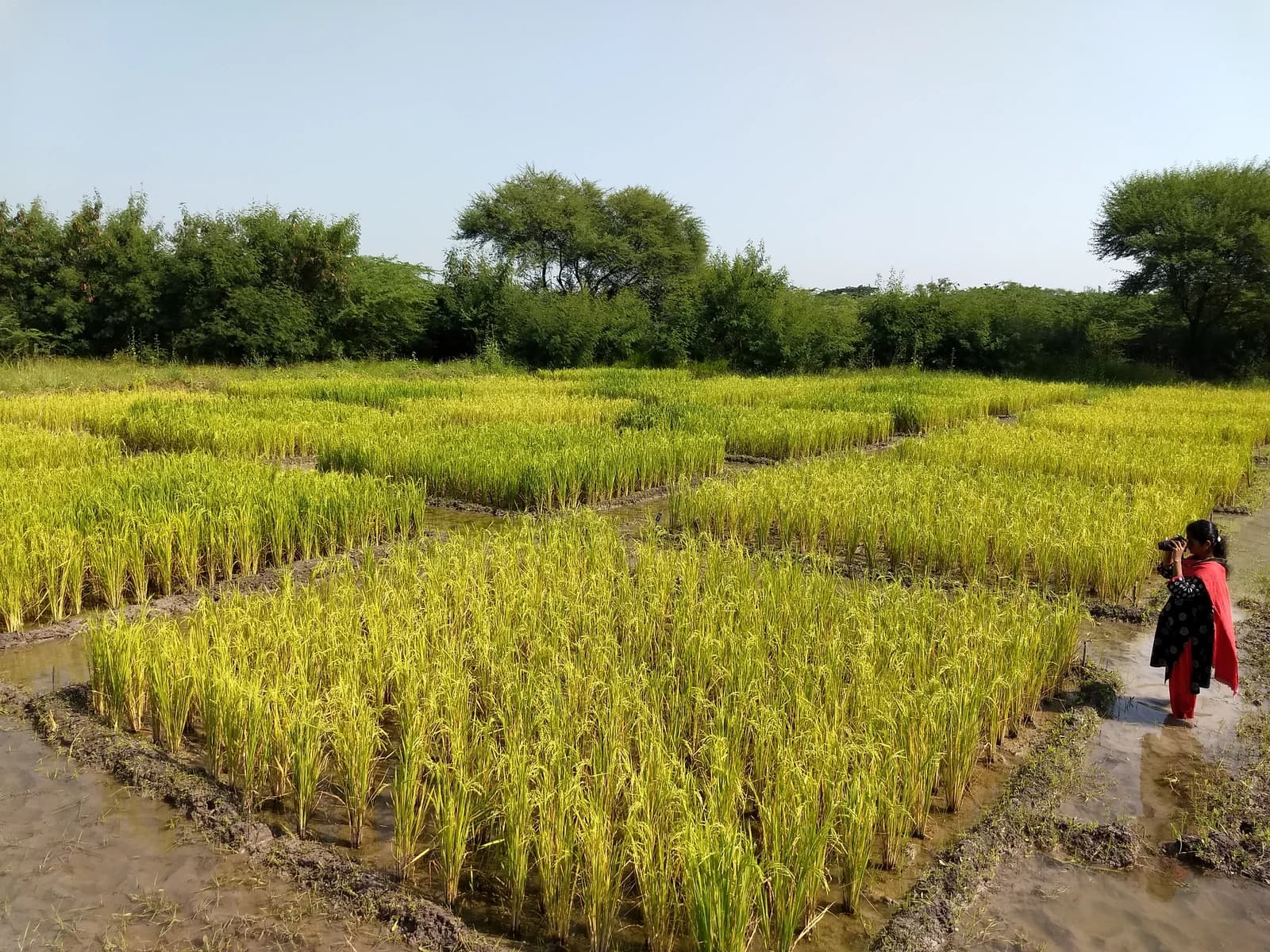
Prolonged flooding in Vietnam’s southern Ca Mau province is delaying the Summer-Autumn rice harvest and threatening yields, with waterlogged fields leaving farmers unable to bring in crop before it lodges and deteriorates.
Vietnam Ca Mau flooding delays rice harvest
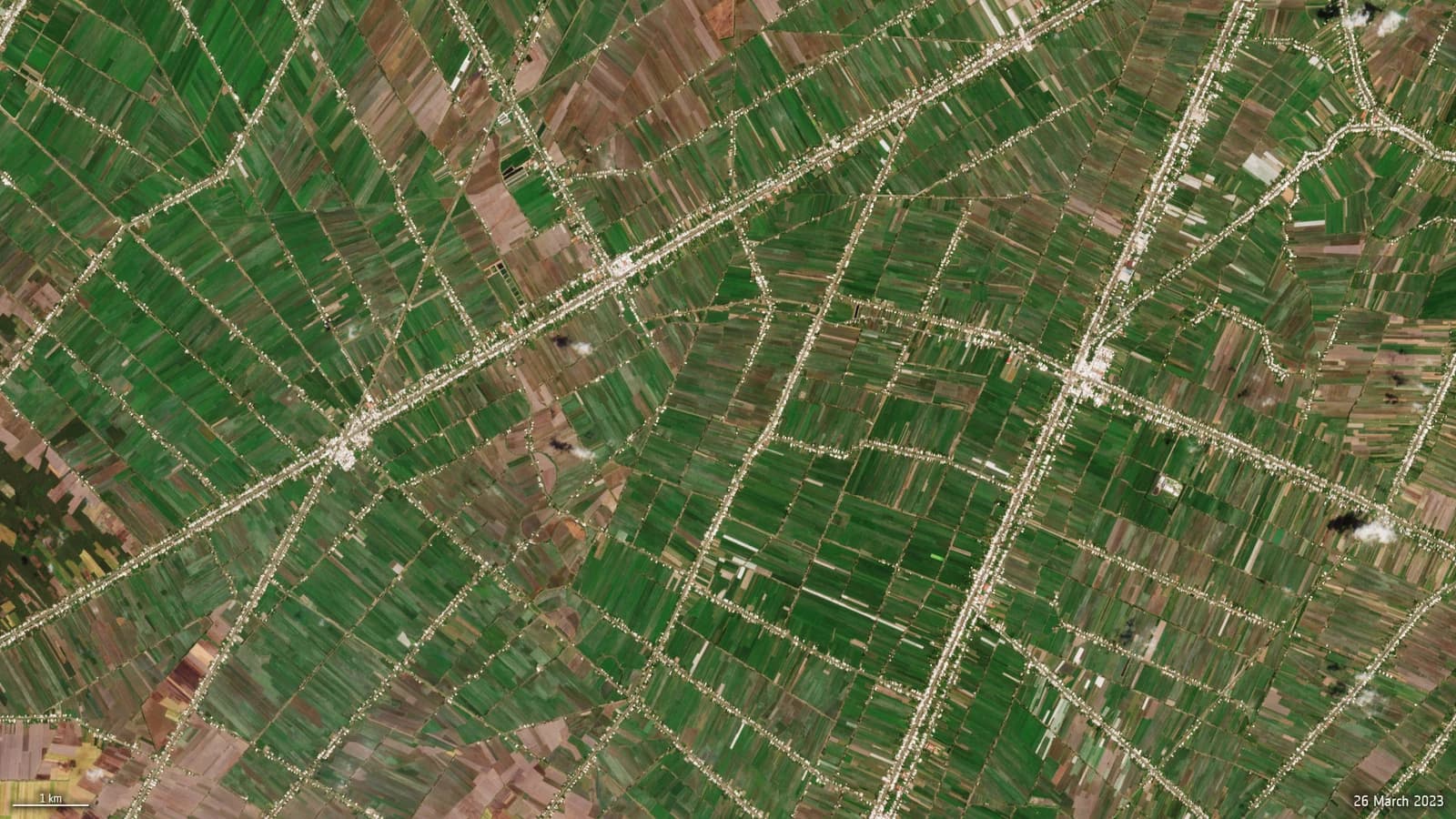
The provincial government has ordered agencies and local authorities to closely monitor rain and high tides, run drainage pumps and sluice gates, clear waterways and reinforce embankments to protect residential areas, transport links and farming land. Officials also told communes to accelerate harvesting in areas at risk of inundation, underscoring the urgency as more than a week of continuous heavy rain has turned ripening paddies into shallow floodplains.
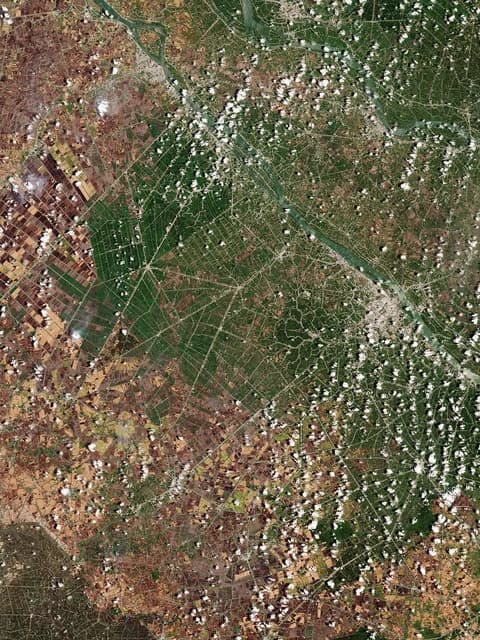
The biggest constraint is that water levels on the fields remain too high for both mechanical harvesters and manual cutting, while inland irrigation canals are also running high and slowing drainage. In several areas, rice that has passed its optimal harvest date has already begun to fall over, raising the risk of quality losses and outright crop damage.
For farmers, the economic hit comes not only from lower output but from higher harvesting costs, missed delivery windows and the possibility that submerged grain will fetch a weaker price. For the wider provincial economy, delayed harvests can disrupt local trade, farm labor income and food supplies, especially in a season when rice production is highly sensitive to weather swings.
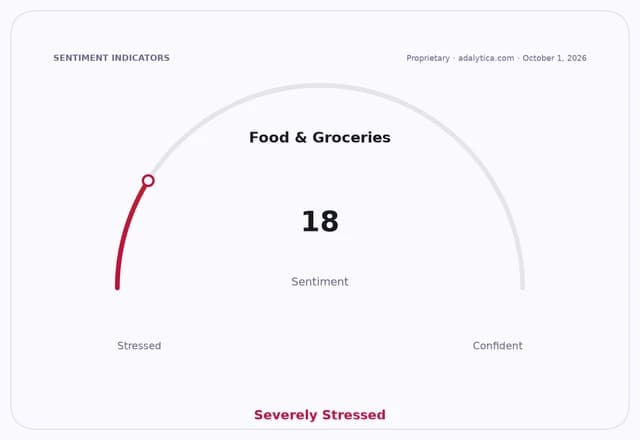
The flooding also adds to broader investor concern around Southeast Asian agriculture, where extreme rain and drainage bottlenecks can quickly tighten supply and lift food-price volatility. Any deeper losses in Ca Mau would reinforce those risks for rice processors, traders and consumer-facing food businesses exposed to upstream grain costs.
Authorities are now focused on faster water diversion and emergency field access, but the outlook depends on how quickly rainfall eases and flood levels recede. If the wet spell persists, more of the Summer-Autumn crop could be lost before it is harvested.
| Entity | Gains | Losses |
|---|---|---|
| Ca Mau authorities | ▲Drainage efforts gain urgency | ▼Public pressure over crop losses |
| Rice farmers | ▲Emergency support access | ▼Yield, quality and income |
| Rice buyers/processors | ▲Potential supply stability if harvest is saved | ▼Higher procurement costs if losses deepen |
| Food consumers | ▲Possible short-term supply protection | ▼Higher rice prices if output falls |