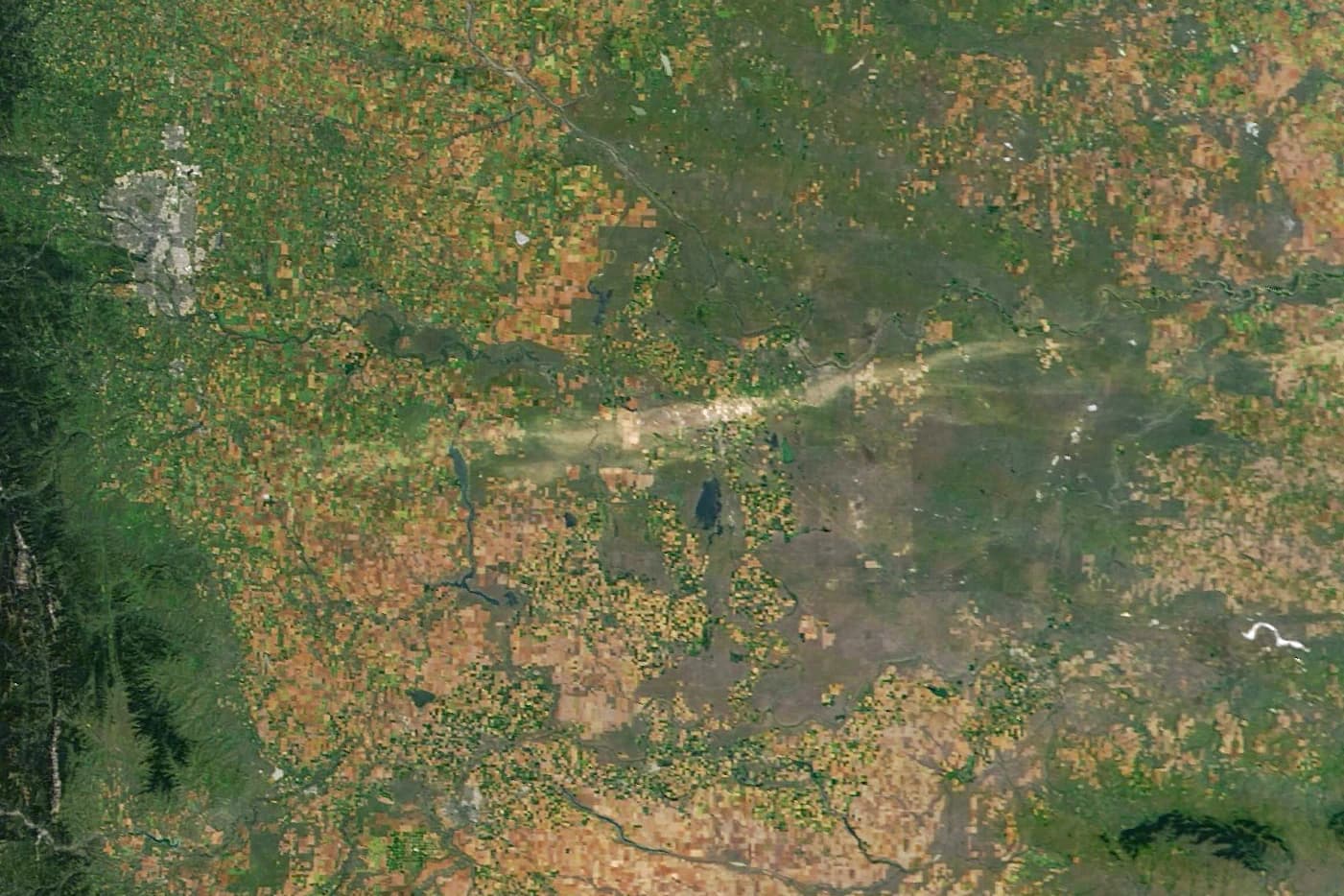
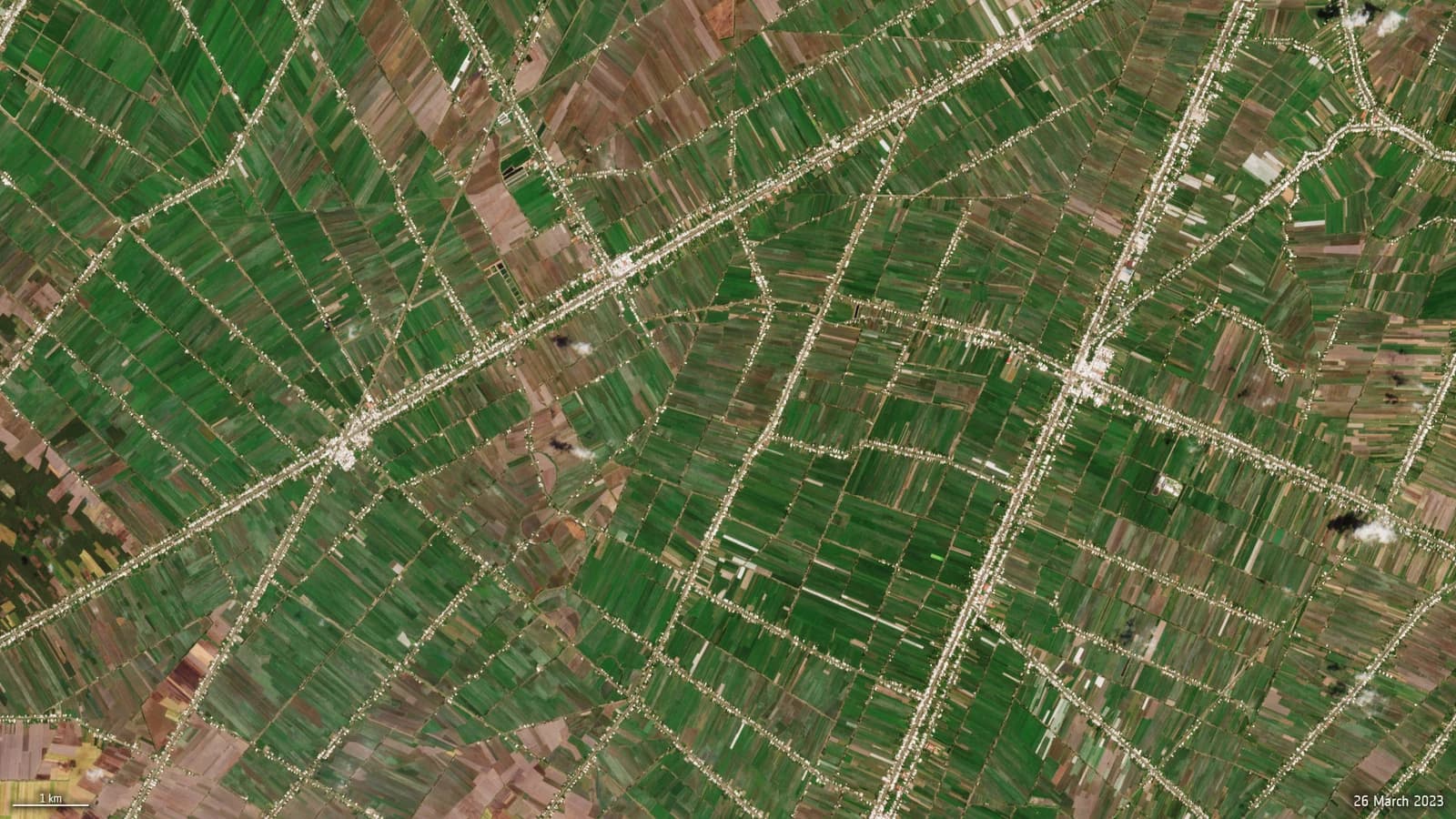
Low water at the Lázaro Cárdenas dam is putting La Laguna’s cotton belt under pressure just as farmers weigh whether a “minicycle” reduction in irrigation deliveries could trim yields and incomes in one of northern Mexico’s most water-sensitive agricultural zones.
La Laguna cotton faces irrigation cuts at Lázaro Cárdenas
The immediate economic risk is not just to this season’s harvest, but to the financing model that keeps cotton planted in the region. About 1,300 hectares were sown this year, and roughly 1,200 hectares entered a price-guarantee coverage program, helping shield growers from market volatility. But coverage on price does not solve a water shortfall: if reservoir levels keep falling, farmers may face lower output, higher pumping costs and a bigger squeeze on margins even if cotton prices hold up.
Sentiment IndicatorsⓘProprietary · adalytica.com · October 1, 2026
This is a snapshot — live sentiment, awareness and momentum for 130+ markets update continuously in the dashboard.Open AlphaPulse
That matters for La Laguna because cotton remains one of the region’s more capital-intensive crops, dependent on reliable irrigation and tied to local employment in planting, field work and ginning. A minicycle — a cut or tighter rotation in water deliveries — would likely force growers to prioritize parcels, delay irrigations or reduce planted area next cycle, raising the odds of weaker yields and more uneven cash flow. For lenders and input suppliers, the risk is a slower repayment cycle and greater credit stress among growers already exposed to weather and water policy.
The broader backdrop is a tightening agricultural water balance across northern Mexico, where competition for reservoir supplies is intensifying as demand from farms, cities and industry converges. The warning from La Laguna also lands at a time when commodity-linked farm sentiment is fragile. Conventional market indicators show cotton-related names have struggled to sustain momentum, while energy and input costs remain a swing factor for producers. In parallel, consumer and CPI sentiment gauges from Adalytica point to a volatile macro environment in which inflation concerns and spending patterns can shift quickly, leaving rural producers with little buffer against supply shocks.
For investors, the key issue is not a single crop year but the durability of irrigated agriculture in a region where water scarcity is becoming a balance-sheet problem. If reservoir stress persists, the burden shifts from farm-level weather risk to structural water allocation risk — a factor that can affect ag lenders, agribusiness suppliers and any business tied to the cotton value chain. The next catalyst will be whether authorities formalize tighter water schedules and whether growers respond by cutting planted area in the next cycle.
| Entity | Gains | Losses |
|---|---|---|
| Price-guaranteed cotton growers | ▲Revenue protection | ▼Water risk remains |
| Water-constrained irrigators | ▲Short-term allocation clarity | ▼Lower yields and margins |
| Input suppliers and lenders | ▲Stable planted area near term | ▼Higher credit stress if cuts deepen |
| Competing water users | ▲Potentially firmer allocation rules | ▼Less water availability |