Egypt is moving to channel wheat volumes through its commodity exchange to organize trade in free flour and keep supplies flowing to bakeries and food makers, a step that could improve transparency in a market where food costs remain elevated and supply chains remain sensitive.
Egypt Moves Wheat Volumes Through Commodity Exchange
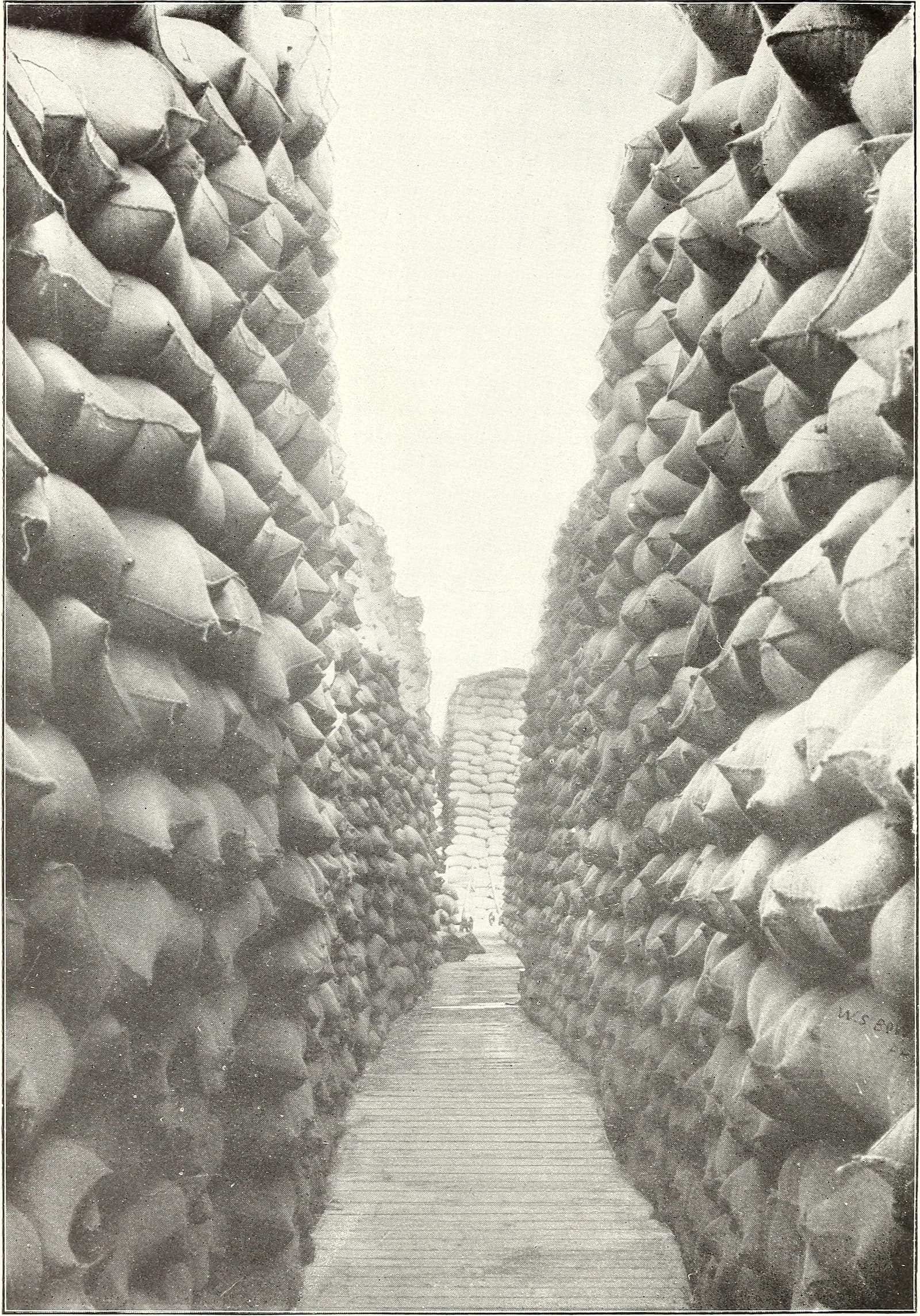
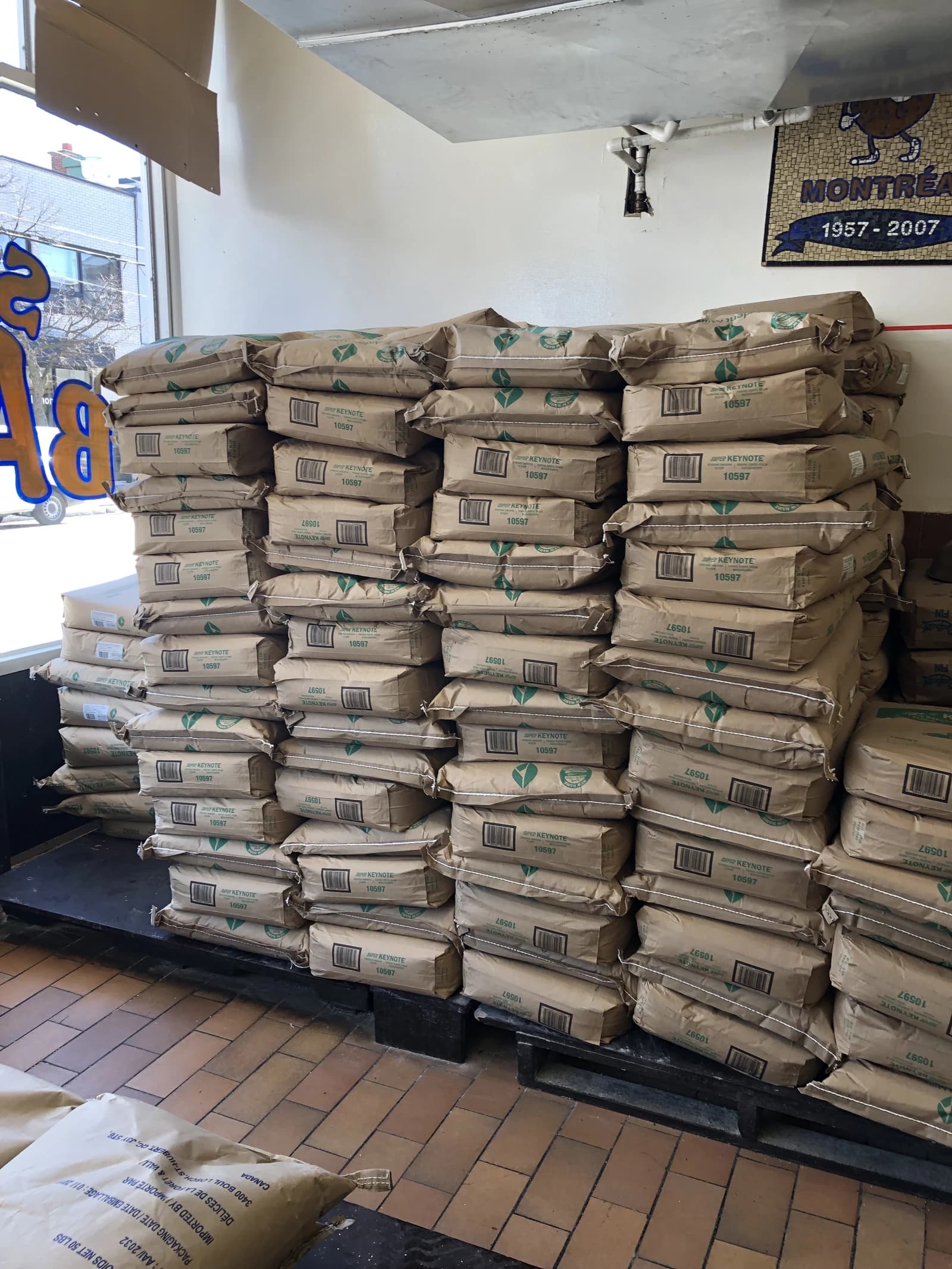
The policy matters because flour is a core input for bread, pasta, pastries and other staples, and any disruption in wheat allocation quickly feeds through to consumer prices and business margins. By making periodic wheat availability more formalized through the exchange, the Ministry of Supply is trying to reduce bottlenecks, smooth access for mills and bakeries, and limit the scope for ad hoc distribution in a market where scarcity can amplify volatility.
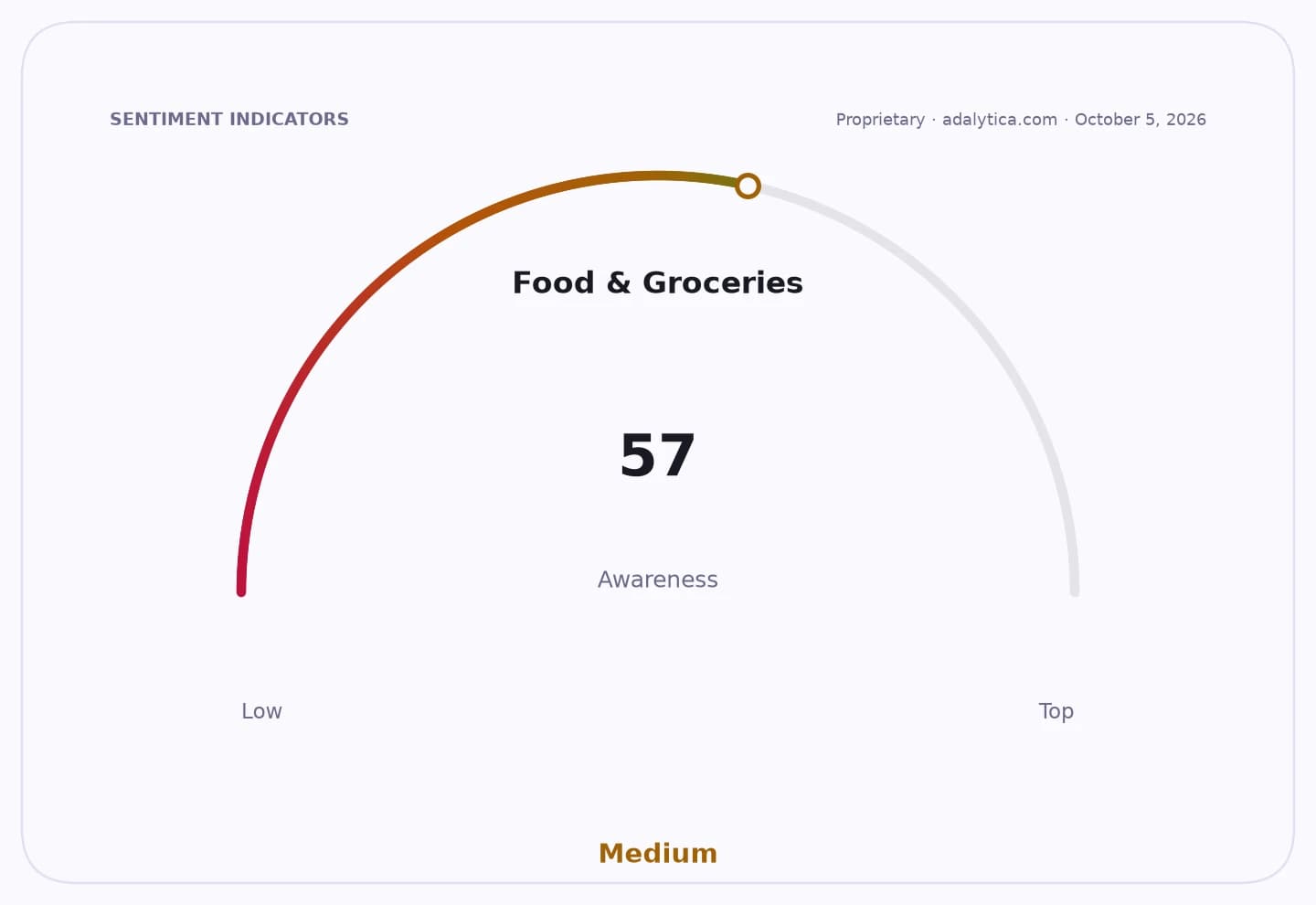
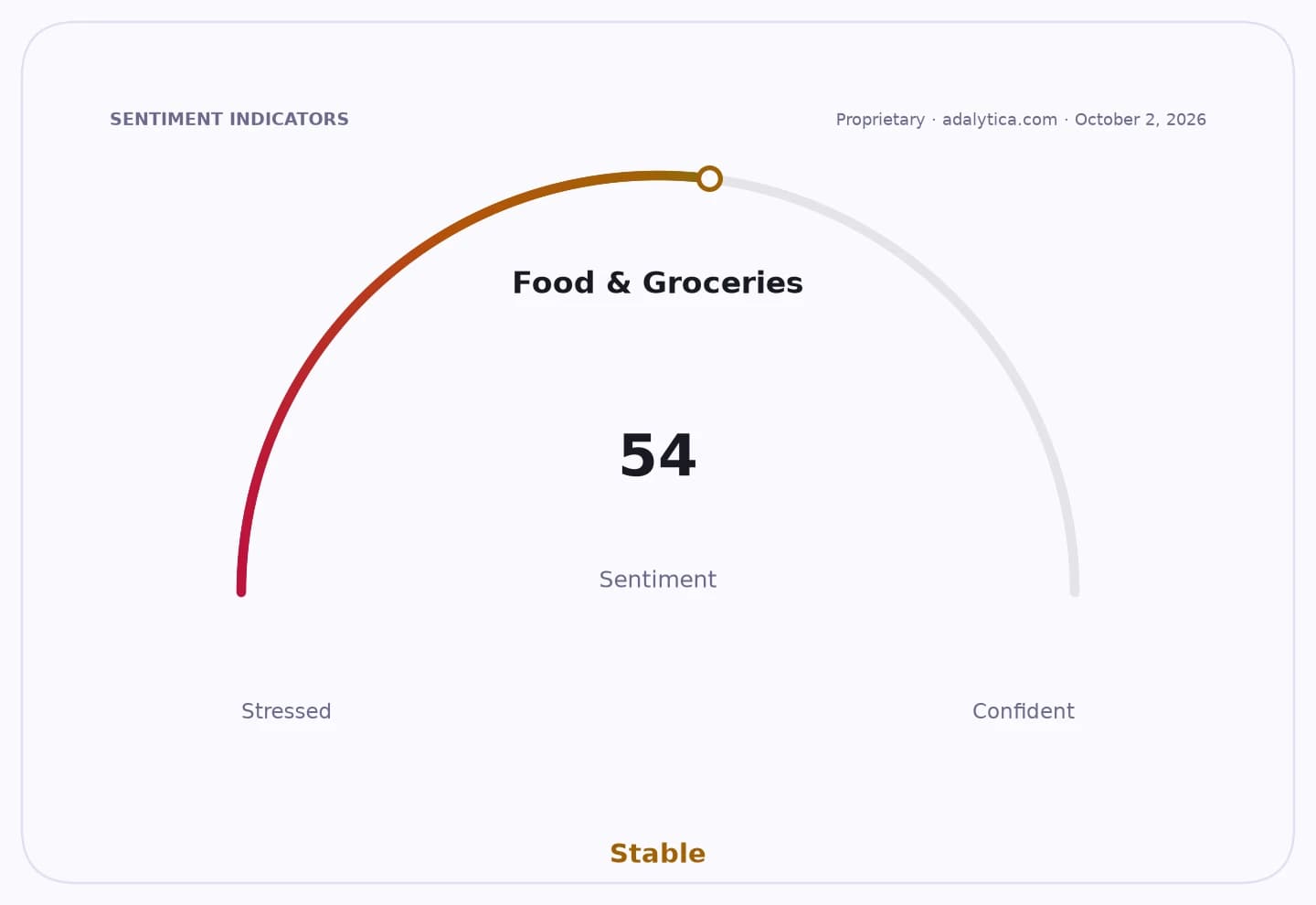
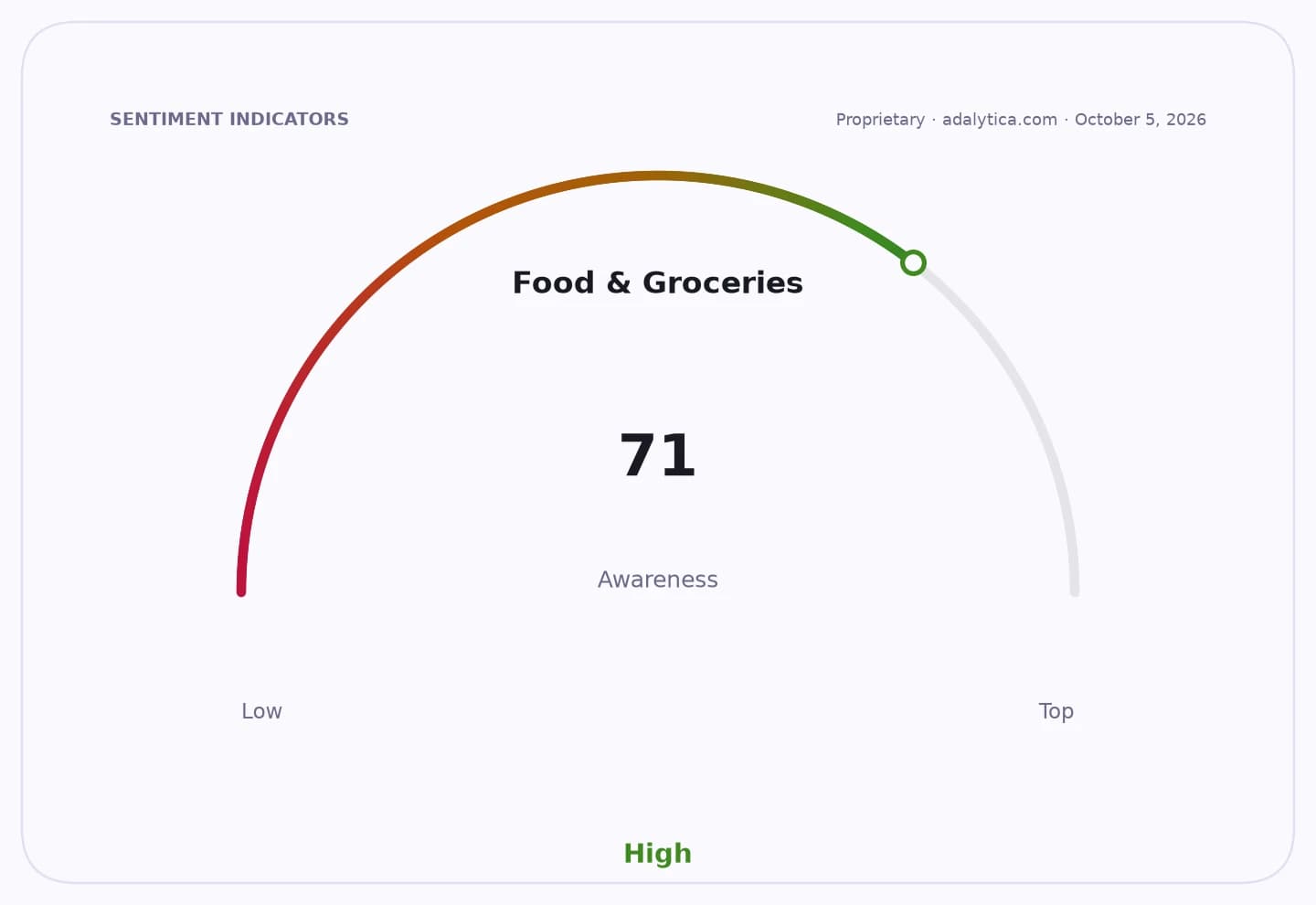
Sentiment IndicatorsⓘProprietary · adalytica.com · October 4, 2026
This is a snapshot — live sentiment, awareness and momentum for 130+ markets update continuously in the dashboard.Open AlphaPulse
Minister Sherif Farouk said the approach is part of a broader plan to secure wheat, free flour and production inputs while monitoring market turnover and available quantities. The ministry said the mechanism is designed to make sure volumes reach eligible buyers under regulated procedures, in coordination with the General Bakeries Division and the Chamber of Grain Industry, based on demand and consumption rates.
That coordination is important for Egypt, where bread policy is both an economic and social issue. The move suggests authorities want to keep the free-flour segment supplied without adding pressure to a wider food market already shaped by elevated prices. Egypt’s broader food-price backdrop remains sensitive: the Adalytica CPI gauge is at extreme greed, while food and grocery spending sentiment is also at extreme greed, pointing to persistent consumer concern around staples and household budgets.
For investors, the measure is less about a single transaction than about the way it could reshape procurement, inventory management and pricing power across the wheat and milling chain. More predictable exchange-led sourcing can favor compliant mills and organized distributors, while reducing the room for informal middlemen. It may also help cap near-term volatility in local flour pricing if the mechanism is implemented with enough regularity and volume.
The timing also fits a global wheat market still prone to policy interventions and supply frictions. Recent data show U.S. wheat-related ETF prices have been volatile, while global grain markets continue to react to government support measures, export conditions and crop-quality problems in different regions. In that environment, Egypt’s decision is another reminder that food-security policy remains a market-moving variable, not just a domestic administrative fix.
The key question now is execution: whether the exchange will receive enough wheat on a steady basis, how quickly mills can access it, and whether the system can keep pace with demand from bakeries and other food producers. If the supply runs smoothly, the move could stabilize free flour availability and reduce pricing distortions. If volumes are thin or distribution is uneven, the market is likely to remain tight and sensitive to any shock.
| Entity | Gains | Losses |
|---|---|---|
| Egyptian mills and bakeries | ▲steadier wheat access | ▼less pricing flexibility |
| Consumers | ▲more reliable flour supply | ▼limited short-term price relief |
| Ministry of Supply | ▲greater market control | ▼execution risk |
| Informal traders/middlemen | ▲— | ▼reduced role in distribution |