The World Bank expects Egypt’s inflation to average 14.2% in the current fiscal year, underscoring how expensive living costs remain even as the economy steadies and growth inches higher.
Egypt Inflation Seen at 14.2%, Growth Upgraded
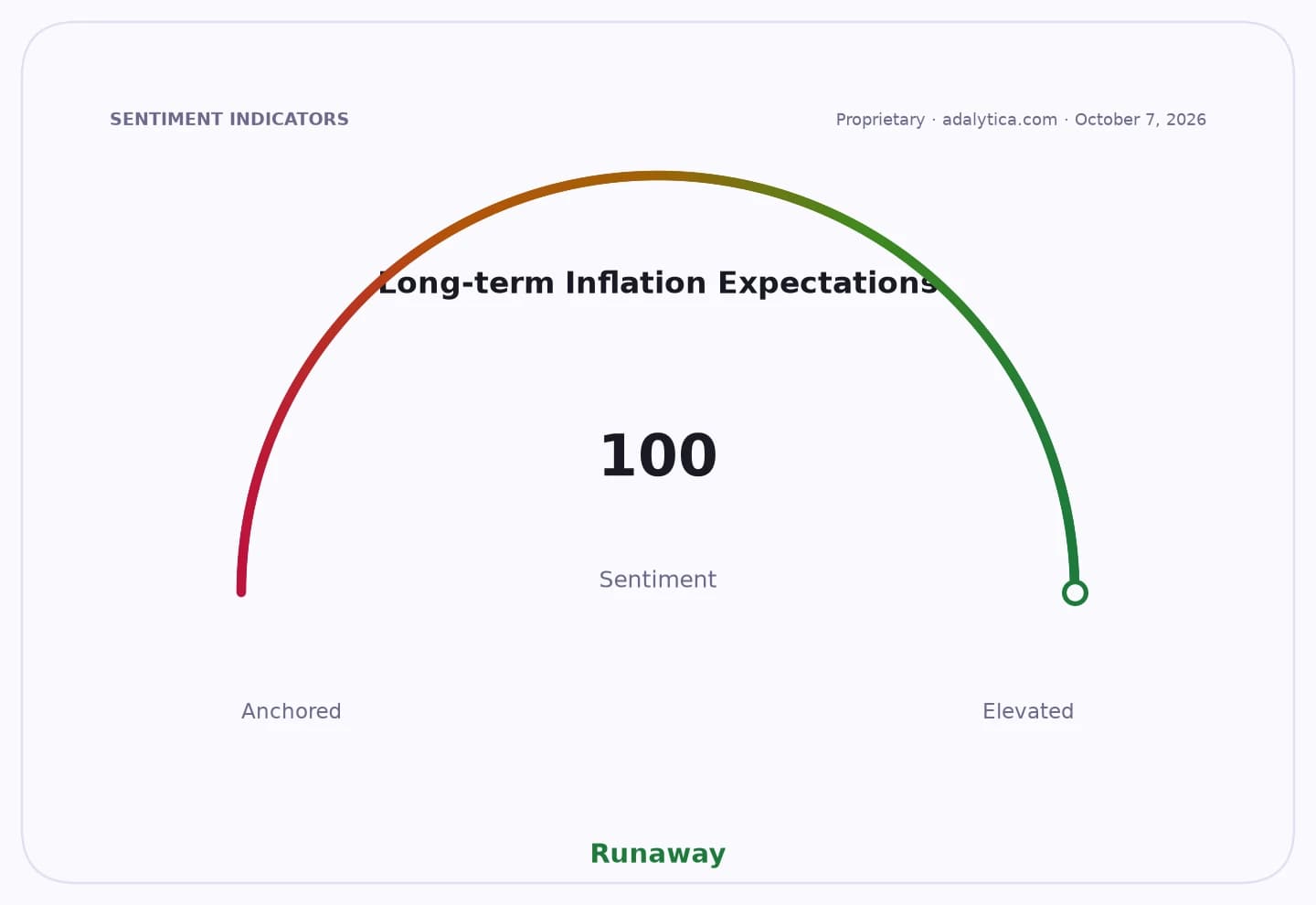
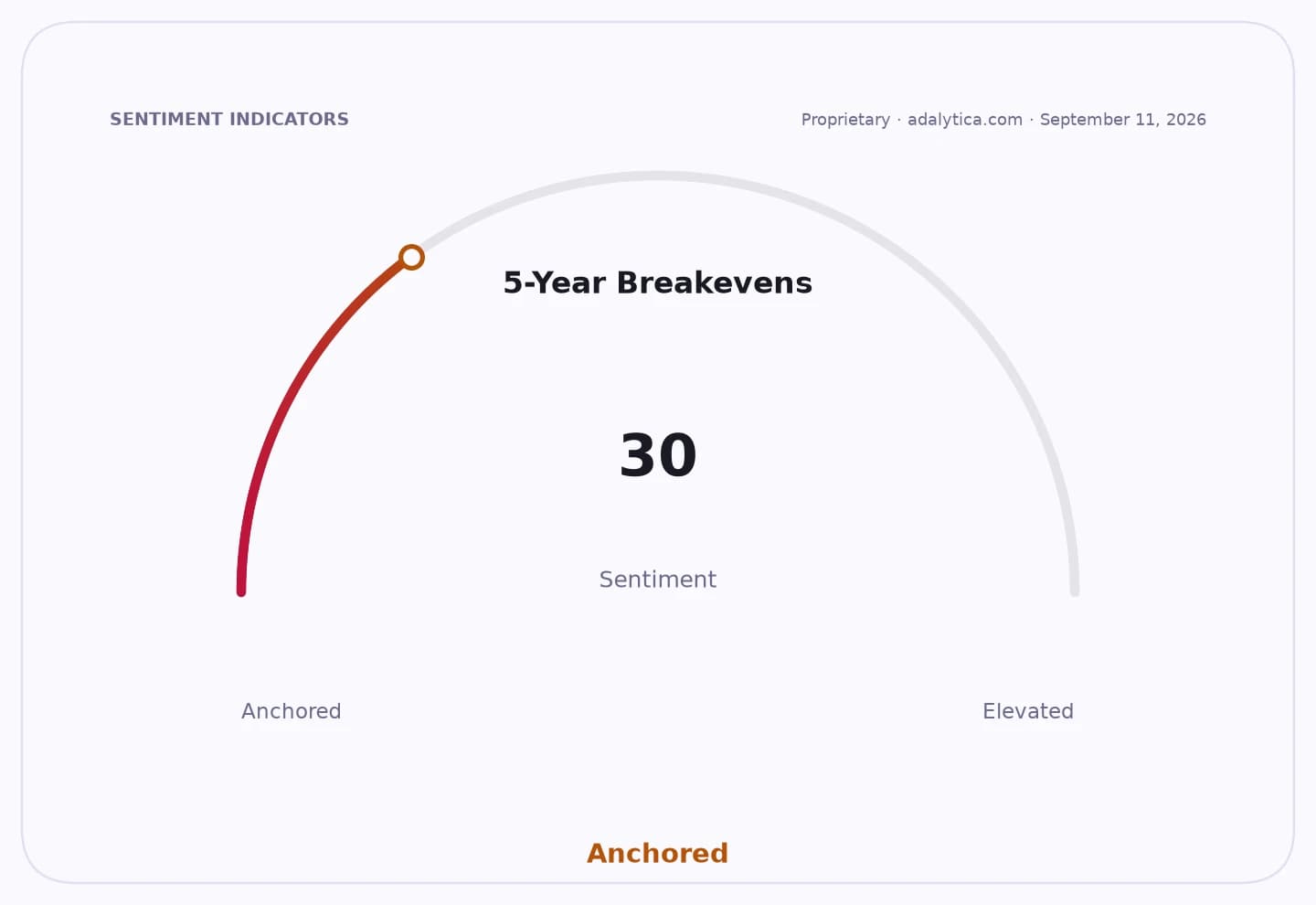
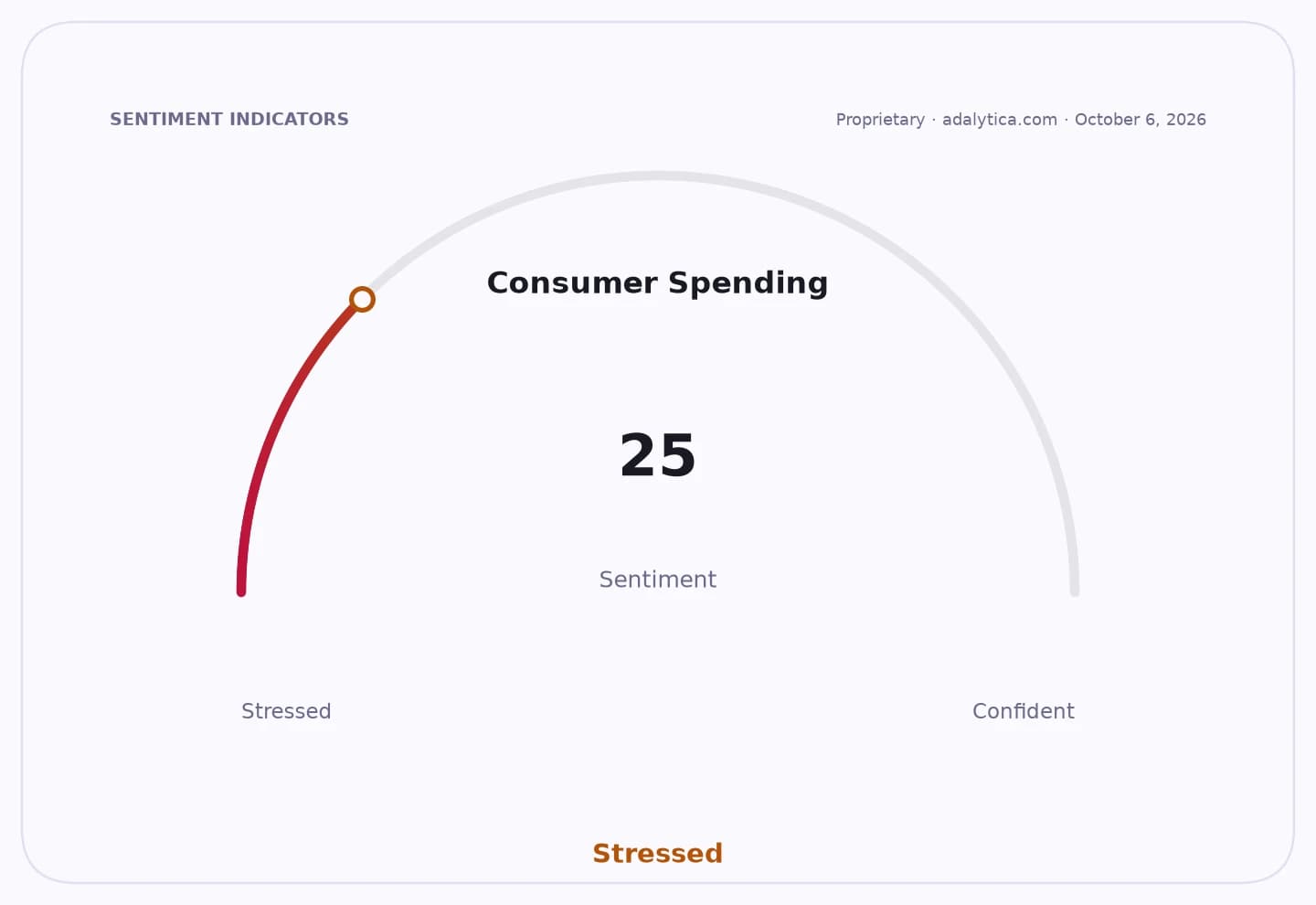
That forecast matters because inflation is still the biggest constraint on Egypt’s recovery. A 14.2% average rate would be below last year’s 20.9% but still high enough to squeeze household spending, complicate borrowing costs and keep pressure on the government to protect the country’s fragile macroeconomic balance. For investors, the message is simple: Egypt is improving, but it is not yet in a low-inflation environment where valuation multiples and consumer demand can expand comfortably.
Sentiment IndicatorsⓘProprietary · adalytica.com · October 7, 2026
This is a snapshot — live sentiment, awareness and momentum for 130+ markets update continuously in the dashboard.Open AlphaPulse
The bank also lifted its growth view for Egypt, saying the economy should expand 4.3% in fiscal 2026/27, up from a prior estimate of 4%. That is a modest upgrade, but it is the kind of revision investors watch closely because it suggests the economy is absorbing past shocks better than expected. Growth of 4.3% would still trail some emerging-market peers, yet it points to a recovery path that could support earnings for banks, consumer companies and infrastructure-related names if inflation keeps easing.
The inflation outlook is even more important in the context of policy. Egypt has spent years wrestling with currency pressure, imported inflation and elevated food and energy costs, which have forced policymakers to balance stability against growth. A lower inflation rate than the previous year should give room for easier policy over time, but at 14.2%, the central bank is unlikely to declare victory. Real returns, financing costs and consumer confidence will all remain sensitive to how quickly price pressures cool.
The broader regional picture from the World Bank was less reassuring. It said the Middle East and North Africa, Afghanistan and Pakistan region could contract 2.1% in 2026 after growing 3.3% in 2025, citing energy shocks and the closure of the Strait of Hormuz as major drags. Oil exporters in the Gulf were forecast to shrink 4.3% on average, while oil importers in the region were seen as relatively resilient, with growth of 4.3% in 2026 versus 3.9% in 2025.
That contrast helps explain why Egypt’s outlook matters beyond its borders. As an energy importer, Egypt is closer to the “resilient importer” group than the exposed Gulf exporters, and that can make it comparatively attractive if regional instability persists. If conflict eases late in 2026, the World Bank said regional growth could rebound sharply in 2027, but it also warned that damaged infrastructure, delayed investment and drained fiscal buffers could keep weighing on activity well after the immediate shock fades.
For investors, the long-term takeaway is that Egypt remains a turnaround story, not a finished one. The direction is better: inflation is expected to moderate, growth is expected to improve and the macro backdrop looks less punishing than it did a year ago. But with price gains still elevated, the case for patience remains strong. This is the kind of market where durable businesses, diversified portfolios and a multi-year horizon matter far more than chasing quick gains. Worth watching, but only with realistic expectations.
| Entity | Gains | Losses |
|---|---|---|
| Egypt’s economy | ▲Faster growth outlook | ▼Persistent inflation pressure |
| Consumers | ▲Slightly lower inflation than 2025/26 | ▼High living costs and weak purchasing power |
| Policymakers | ▲More room to stabilize the economy | ▼Ongoing pressure to contain prices |
| Egypt-focused investors | ▲Improving macro backdrop | ▼Limited near-term valuation expansion |