Egypt’s non-oil private sector contracted more sharply in September as weaker demand hit output and new business, with the S&P Global PMI falling to 47.2 from 49.6 in August.
Egypt non-oil private sector PMI falls to 47.2
The reading, below the 50 mark that separates growth from contraction, points to a renewed slowdown in one of Egypt’s key job-creating sectors and suggests firms are still struggling with inflation, disruption and soft domestic demand. It also underscores the pressure on policymakers trying to stabilize growth without reigniting price increases.
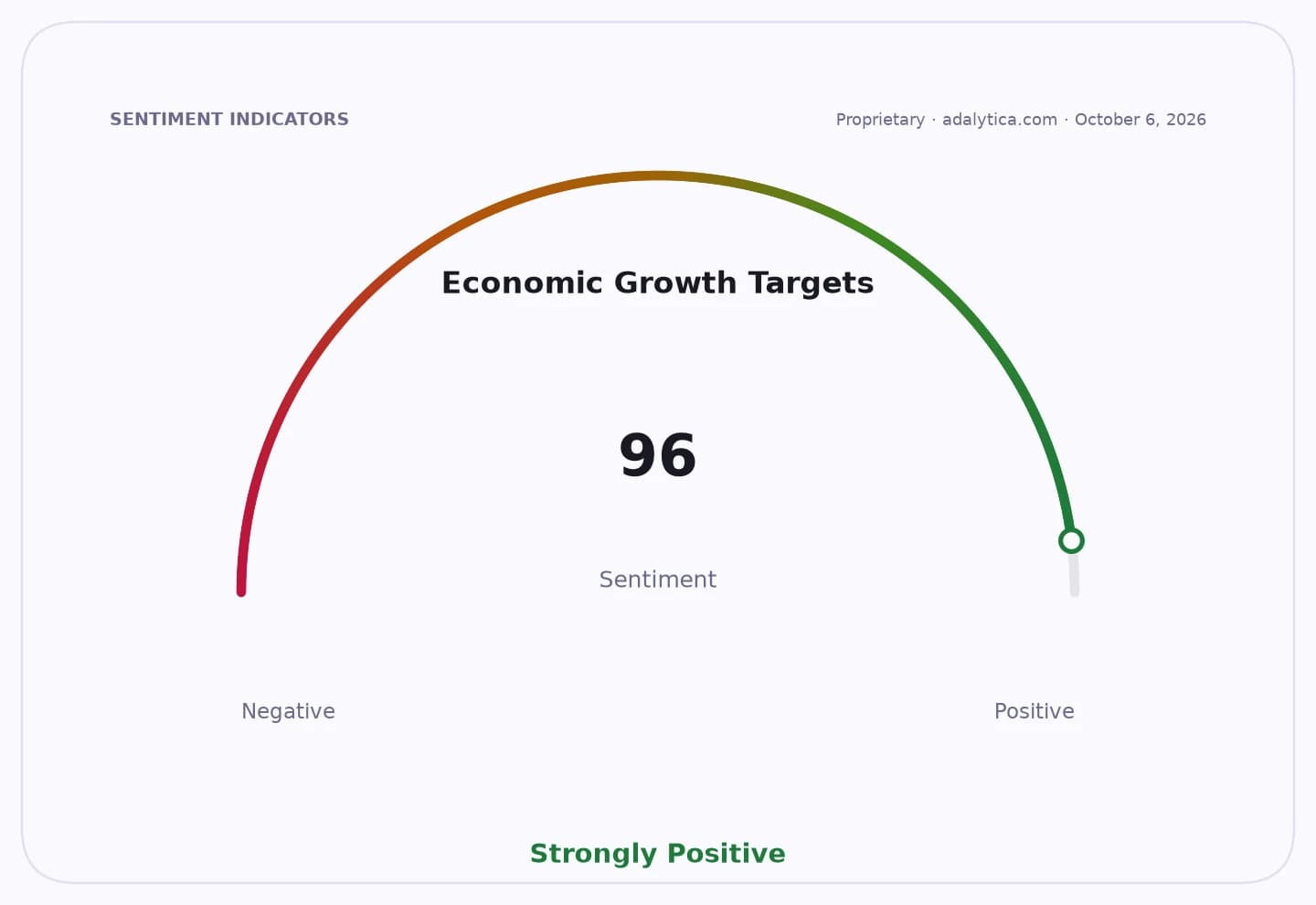
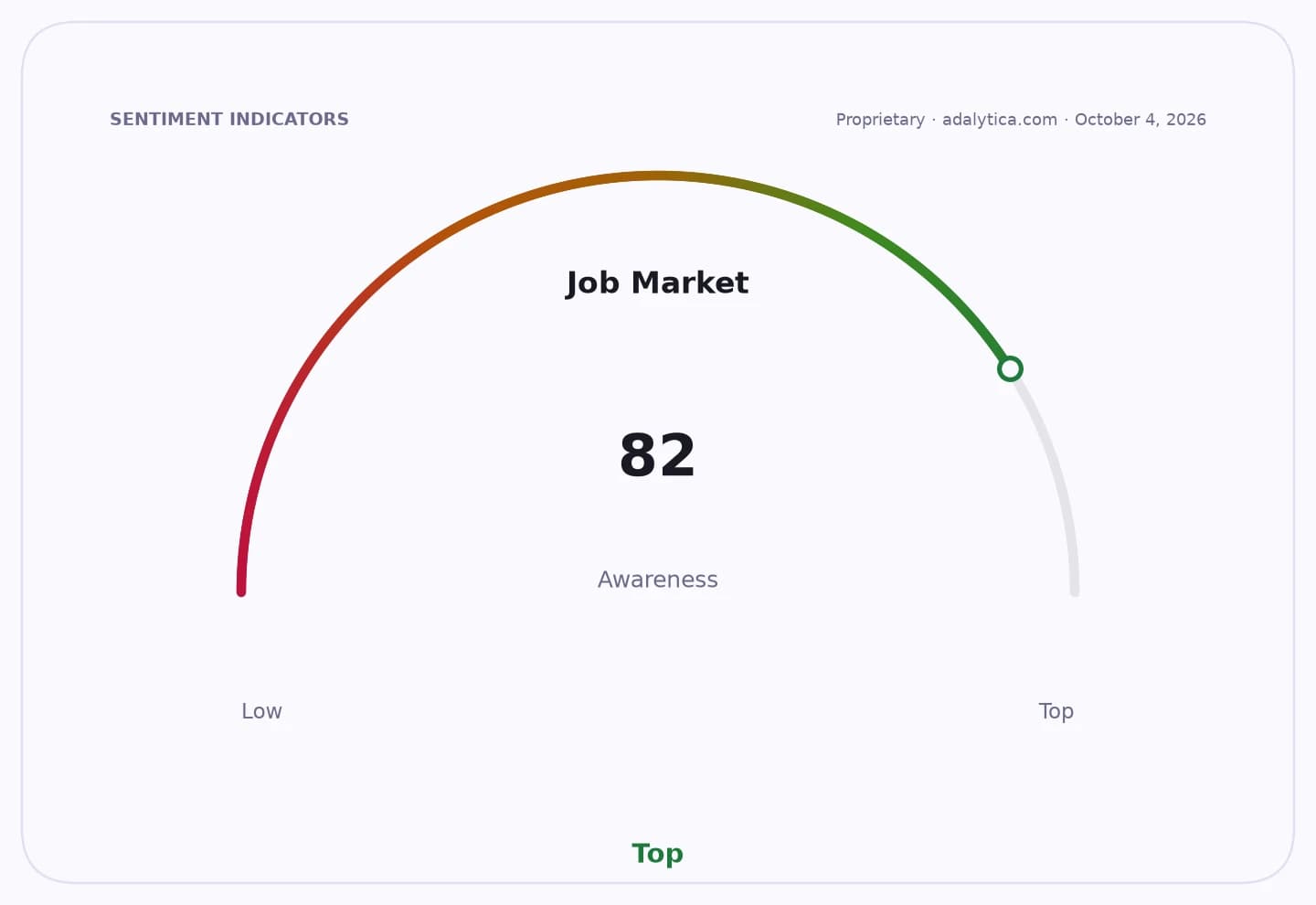
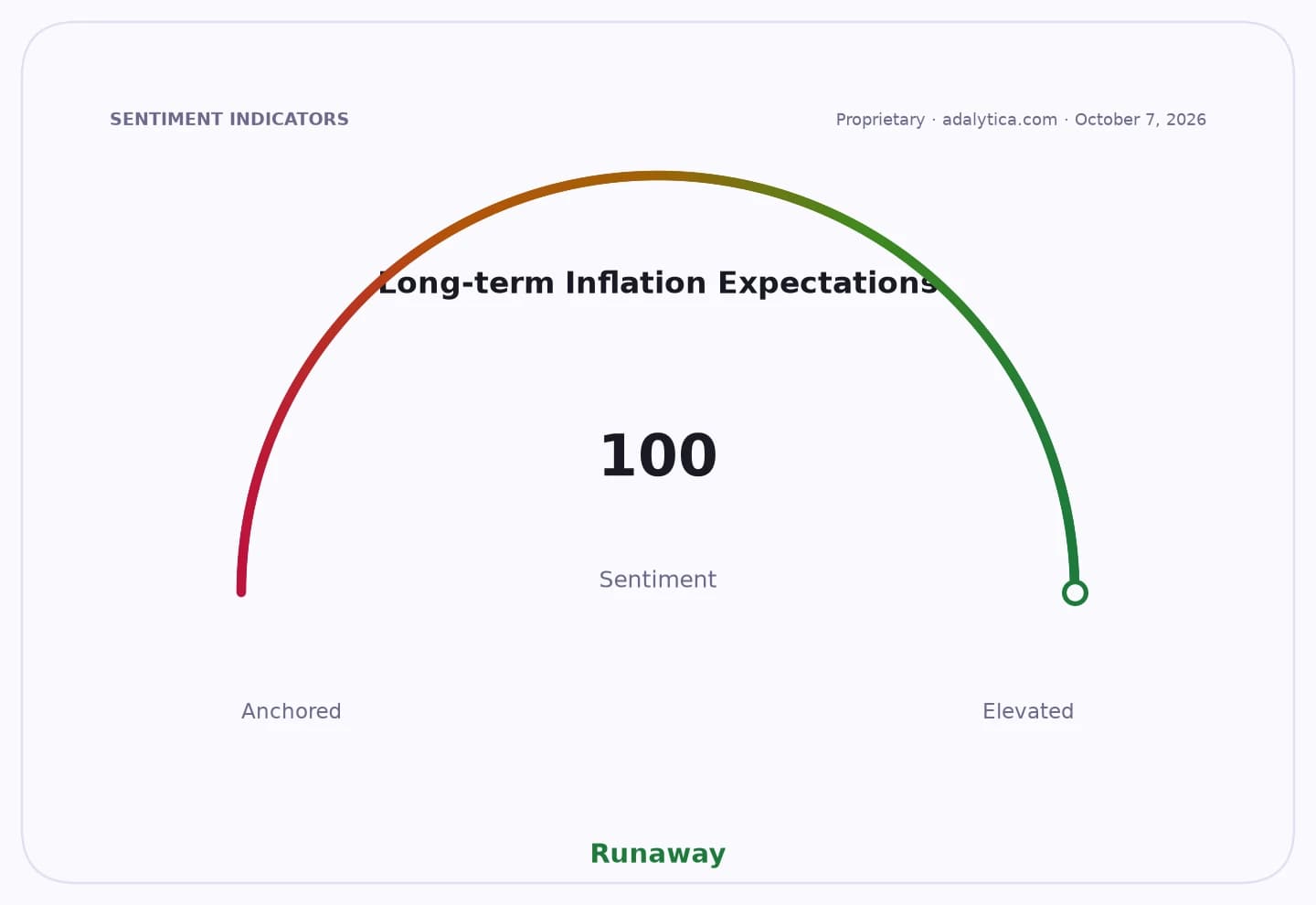
Sentiment IndicatorsⓘProprietary · adalytica.com · October 6, 2026
This is a snapshot — live sentiment, awareness and momentum for 130+ markets update continuously in the dashboard.Open AlphaPulse
Businesses said the deterioration reflected weaker customer demand, ongoing geopolitical disruptions and persistent inflationary pressures. Output and new orders both fell at faster rates than in August, while the index also slipped below its long-term average of 48.2, signaling conditions are weaker than normal for the survey.
The data matter for investors because they show private-sector momentum remains fragile even after August’s seven-month high. That weak footing can weigh on earnings expectations for consumer-facing companies, industrial suppliers and smaller firms reliant on domestic orders, while also limiting confidence in a broad-based rebound.
There were a few offsets. Employment rose for a second straight month, the first back-to-back gain in staffing in more than a year, though hiring remained modest. Backlogs rose for a fifth month, suggesting some work is still in the pipeline, but business confidence eased from August’s more than four-year high.
Inflation remains the biggest drag. Companies reported higher costs for oil, metals, electricity and transport, though wage inflation slowed to an eight-month low. Firms continued to pass costs through to customers, keeping selling-price inflation above the survey average even as the pace eased slightly.
Purchasing activity fell for a sixth straight month, and inventories also declined for a third month, pointing to caution in supply chains and working capital management. The PMI adds to signs that Egypt’s private sector recovery remains uneven and vulnerable to any further shock in demand or input costs.
| Entity | Gains | Losses |
|---|---|---|
| Consumers | ▲modest hiring support | ▼higher selling prices |
| Private-sector firms | ▲some job creation | ▼weaker demand and margins |
| Policymakers | ▲clearer growth signal | ▼tougher inflation-growth tradeoff |
| Suppliers/commodity users | ▲slower inventory drawdown | ▼lower purchasing activity |