U.S. services-sector growth slowed more than expected in September, adding to signs the world’s largest economy is losing momentum just as the labor market softens and investors recalibrate expectations for Federal Reserve policy.
U.S. services growth slows as labor market softens
The slowdown matters because services dominate U.S. economic activity, household spending and payroll creation. A weaker reading in the sector points to less pricing power, more cautious hiring and a greater risk that consumer demand is easing after a long run of resilience.
Sentiment IndicatorsⓘProprietary · adalytica.com · October 5, 2026
This is a snapshot — live sentiment, awareness and momentum for 130+ markets update continuously in the dashboard.Open AlphaPulse
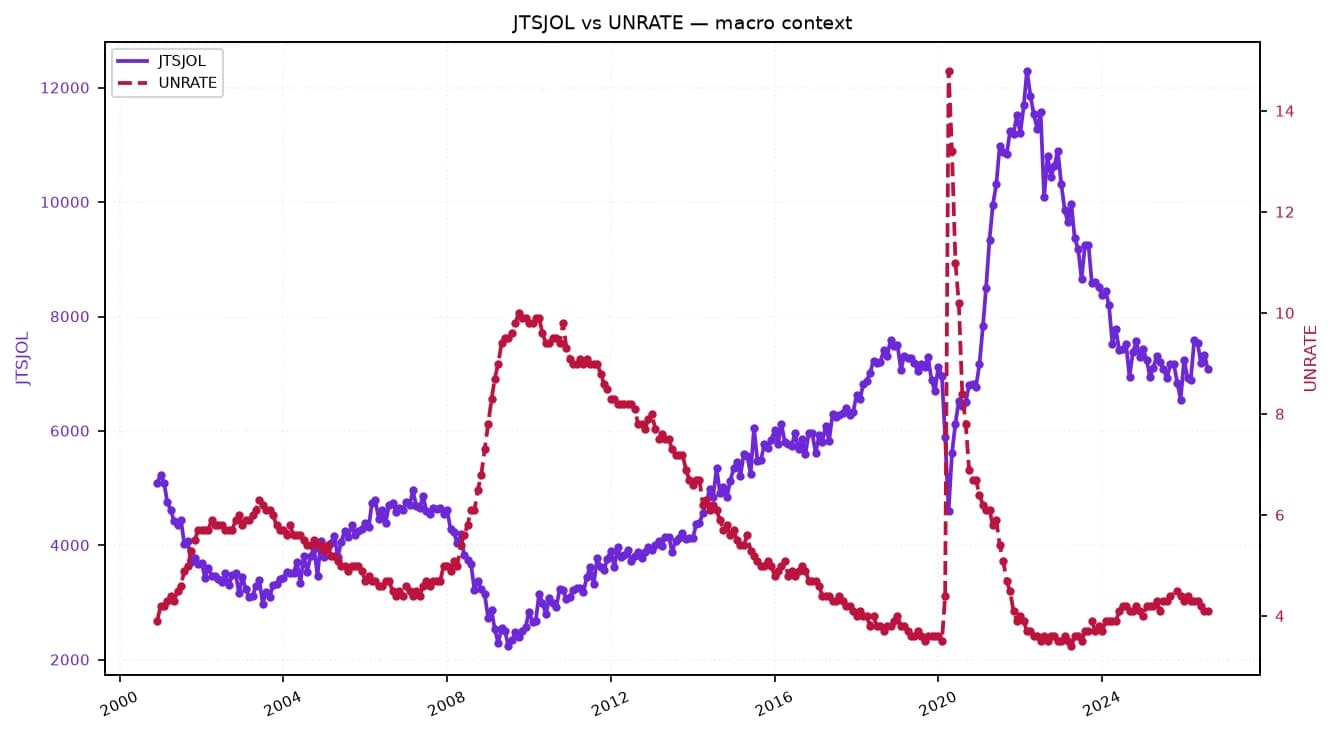
The data context shows services activity slipping back toward stagnation after a summer rebound, with the reading forecast at 54.46 for September versus 51.7 in August and 55.2 in July. The broader picture is less reassuring: employment growth slowed sharply, with the economy adding about 29,000 jobs in September after a stronger August, while the unemployment rate edged up to 4.2% from 4.1%.
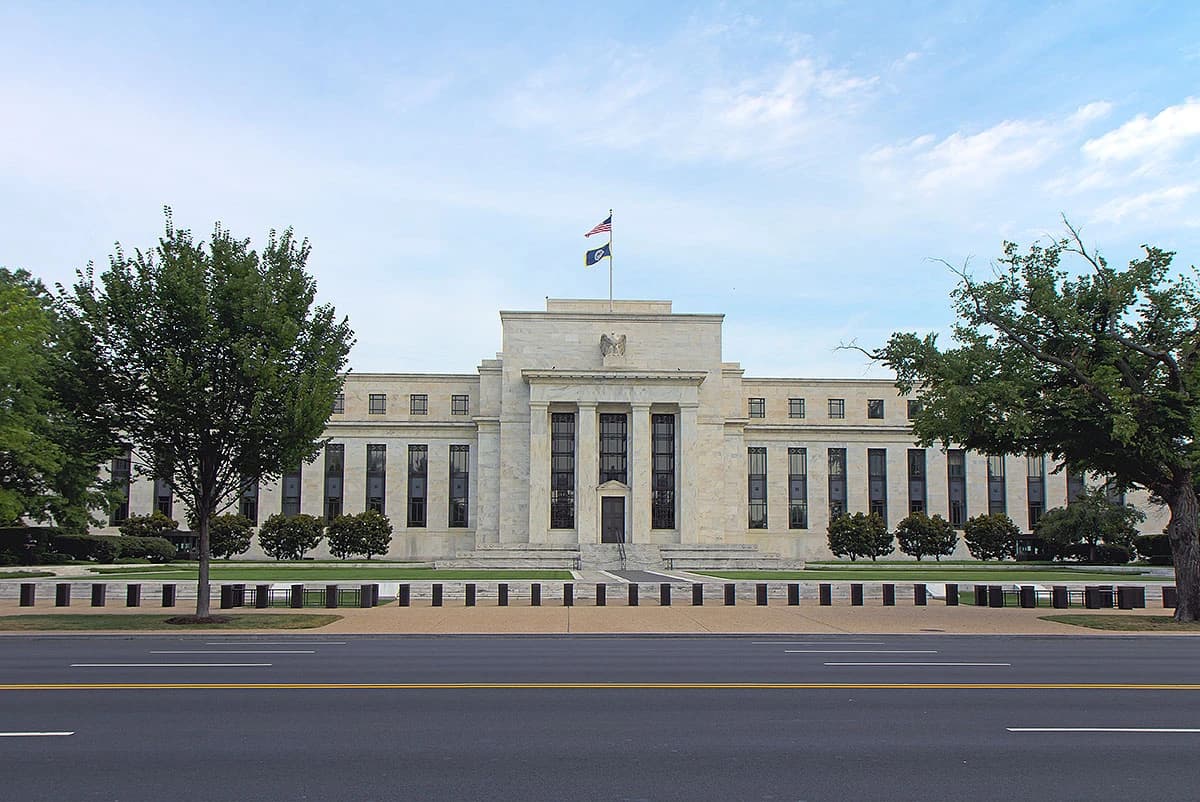
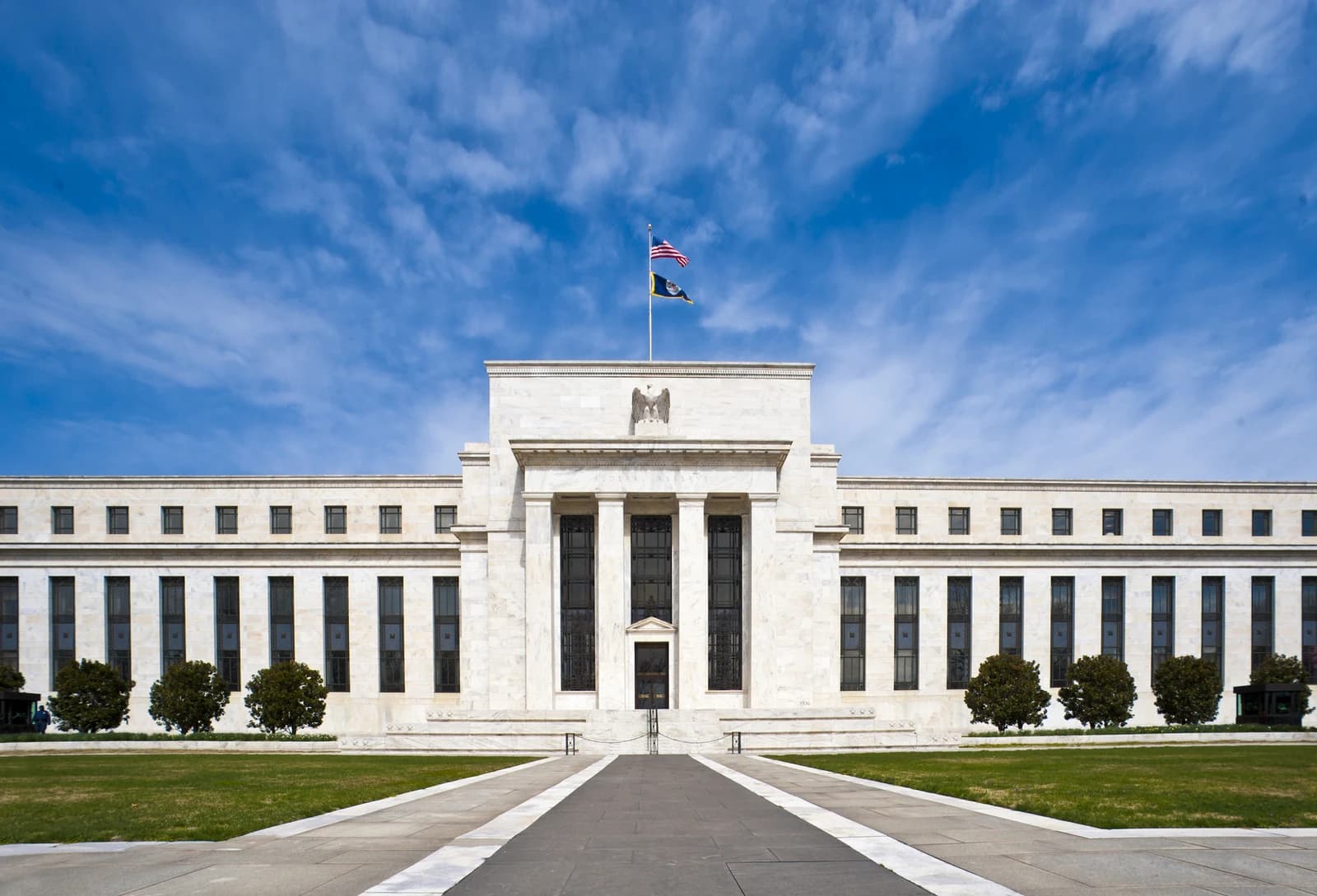
That combination is important for investors because it keeps the Fed in play. A cooling services sector and a softer labor market reduce pressure on policymakers to stay restrictive, supporting hopes for lower rates later on, even as the central bank remains wary of inflation lingering above target.

Markets are already navigating a split backdrop of growth anxiety and risk appetite. The S&P 500 is still being tracked with bullish trade signals in the Adalytica snapshot, but recession-related sentiment around PMIs remains mixed, suggesting investors are not yet pricing a clean expansion story.
The implication is straightforward: if services continue to lose traction, earnings estimates tied to consumer demand, staffing, travel, finance and discretionary spending may come under pressure. The next test will be whether upcoming labor and inflation data confirm a cooling economy or whether September proves to be a temporary pause rather than the start of a broader slowdown.
| Entity | Gains | Losses |
|---|---|---|
| Fed doves | ▲Rate-cut case | ▼Inflation hawks |
| Treasury bulls | ▲Lower-yield hopes | ▼Dollar bulls |
| Consumer-staples stocks | ▲Defensive demand | ▼Cyclical services names |
| Small businesses | ▲Easier labor pressure relief | ▼Revenue growth |