U.S. services growth slowed slightly in the latest survey data, with the September services PMI easing to 56.5 and missing expectations, a small but important reminder that the economy is still expanding even as momentum cools.
U.S. Services PMI Slows to 56.5

The reading remains comfortably above 50, the threshold that separates expansion from contraction, but it slipped from 54.6 in the prior month and came in below the 56.8 economists had forecast. That combination matters because services account for the bulk of U.S. output and employment, so even a modest deceleration can shape views on growth, inflation and the Federal Reserve’s room to ease policy.
Sentiment IndicatorsⓘProprietary · adalytica.com · September 4, 2026
This is a snapshot — live sentiment, awareness and momentum for 130+ markets update continuously in the dashboard.Open AlphaPulse
For investors, the immediate takeaway is not recession risk but positioning risk. A stronger-than-expected services print typically supports the dollar and can push Treasury yields higher by reinforcing the case for firmer domestic demand. This miss does the opposite at the margin: it leaves room for the market to keep pricing a softer growth profile and a friendlier path for rate cuts, especially if incoming labor and consumption data also cool.
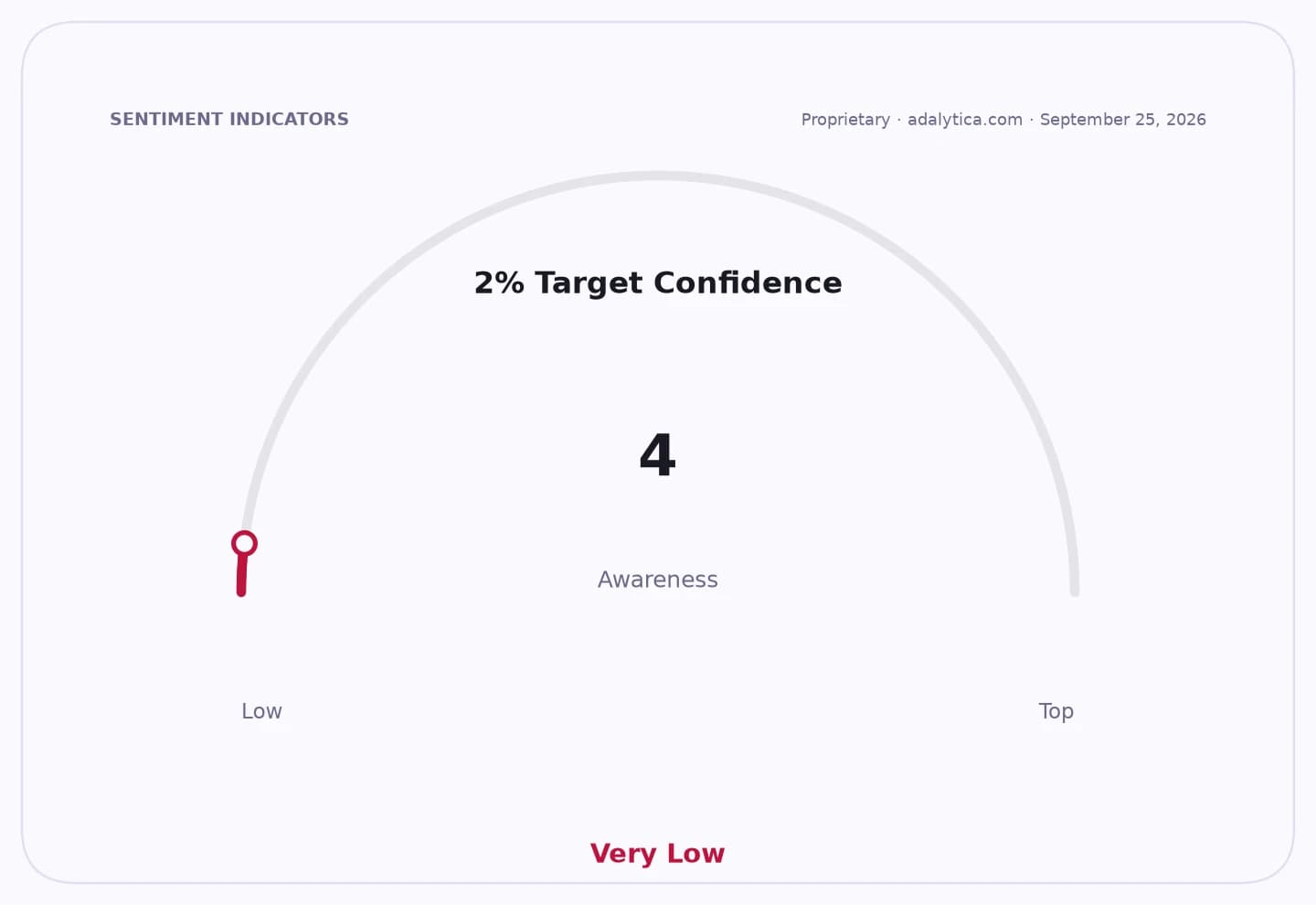
The broader macro backdrop remains uneven. The services sector is still expanding at a healthy clip, which argues against a sharp downturn in corporate earnings or consumer demand. But the loss of speed comes at a time when markets are already sensitive to any sign that U.S. activity is normalizing after a period of resilience. Adalytica’s PMI trend recession sentiment gauge sits in fear territory, underscoring how quickly sentiment can turn when growth data fail to beat consensus.
That tension is visible in equity and sector positioning. The S&P 500 has held up, but the latest technical readings show the index’s rally has lost some momentum, with the 50-day moving average still above the spot level and RSI readings well below overbought territory. Financial shares, which tend to benefit from steeper yield curves and stronger nominal growth, are also less well supported when services activity softens. Consumer discretionary names, meanwhile, are more exposed to any slowing in spending momentum.
The main bull case is that a 56.5 reading is still solid by historical standards and consistent with an economy growing at a moderate pace rather than stalling. The bear case is that services, the economy’s largest engine, is cooling from a stronger base, and if that pattern persists it could feed through into hiring, pricing power and corporate guidance. The next few releases will show whether this is a one-month pause or the start of a more durable downshift.
| Entity | Gains | Losses |
|---|---|---|
| Treasury bulls | ▲Lower-yield hopes | ▼Strong-growth surprise |
| Dollar bears | ▲Softer-rate expectations | ▼Hawkish repricing |
| Consumer discretionary | ▲Easier policy backdrop | ▼Slower spending momentum |
| Financials | ▲Steeper-cut expectations if growth holds | ▼Softer yield support |