Americans are still powering the economy with their wallets, but the strain behind that resilience is getting harder to ignore.
U.S. Consumer Spending Rises as Wages Lag
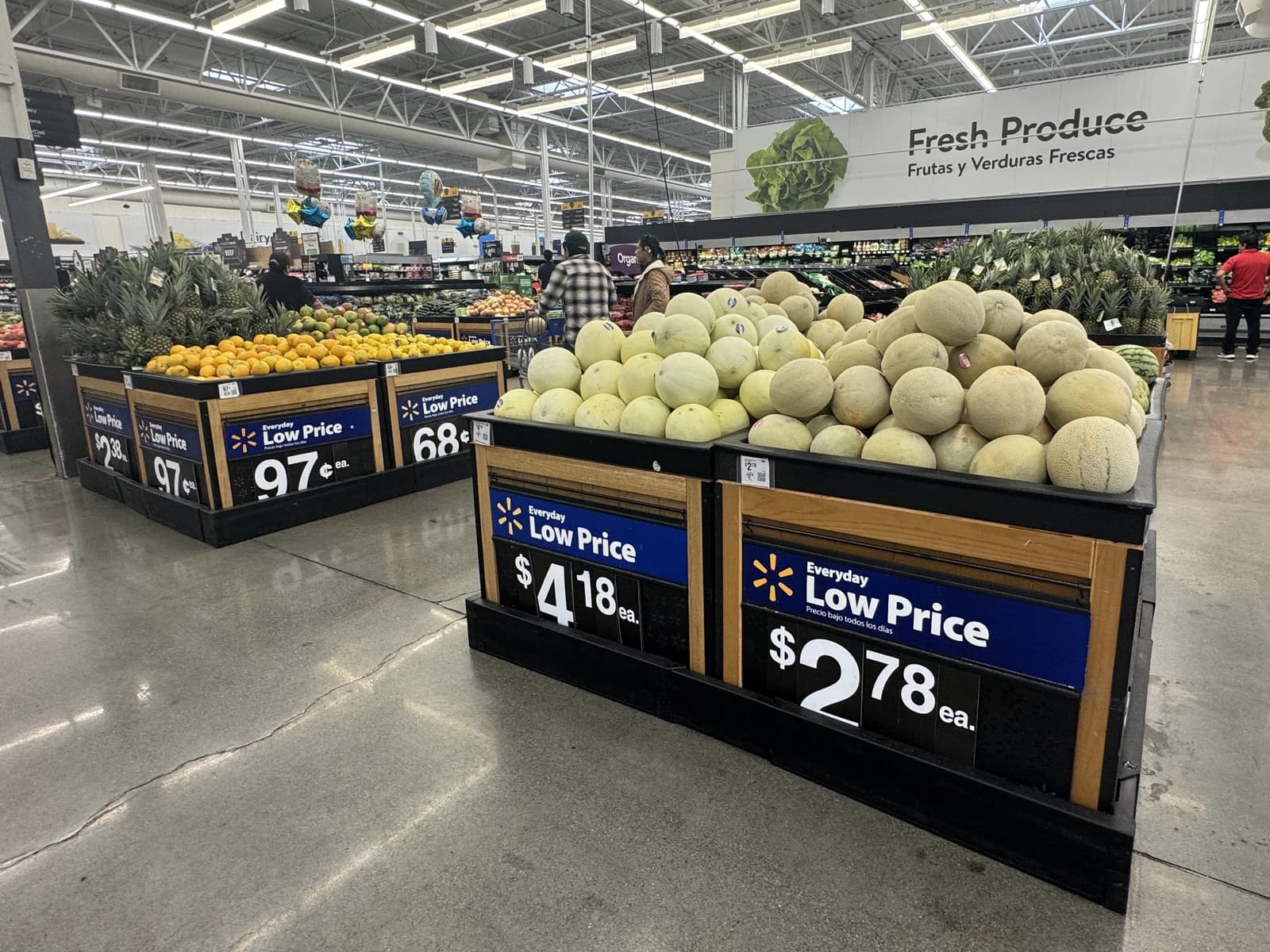
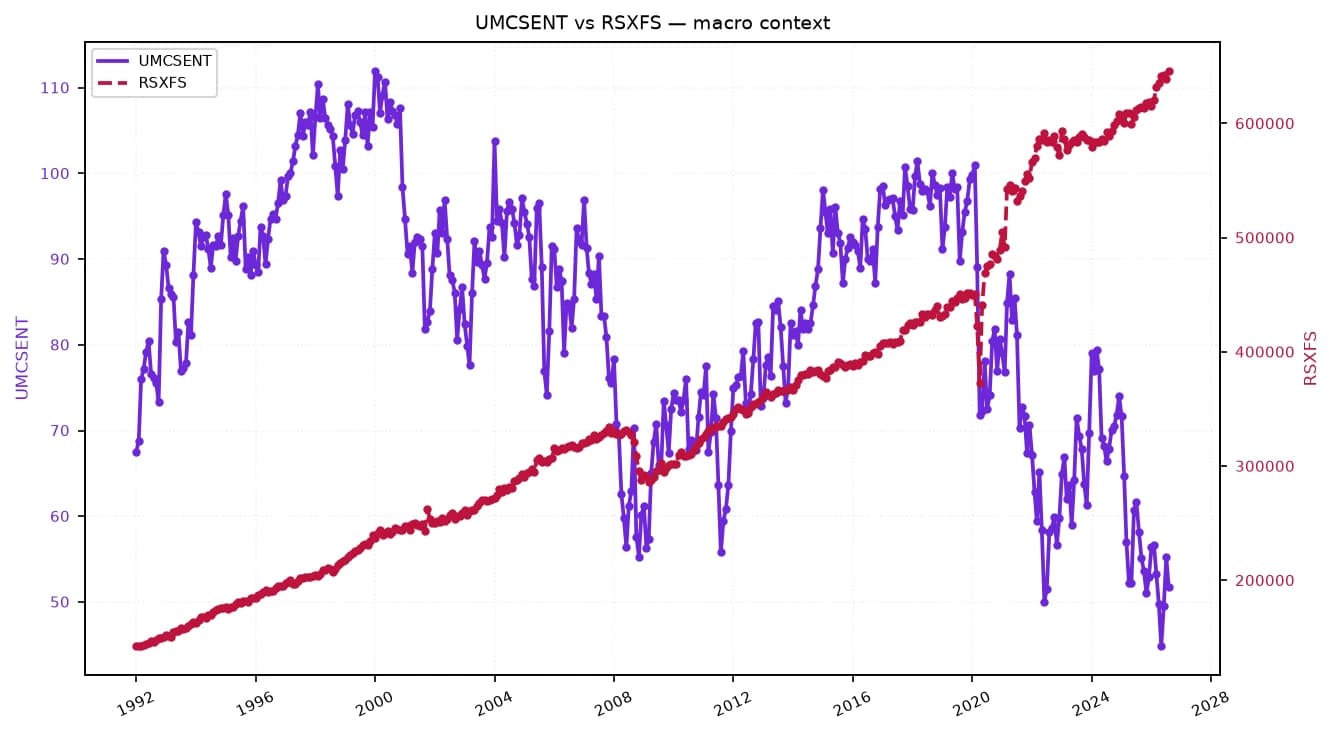
Consumer spending rose 0.9% in August even as wages increased just 0.3%, underscoring a growing mismatch between household spending and income that could become one of the most important macro inflection points of the year. The U.S. consumer has held up growth through years of inflation, elevated borrowing costs and geopolitical shocks, but the latest numbers show that durability is increasingly being financed by thinner savings, higher fuel costs and rising credit-card balances.
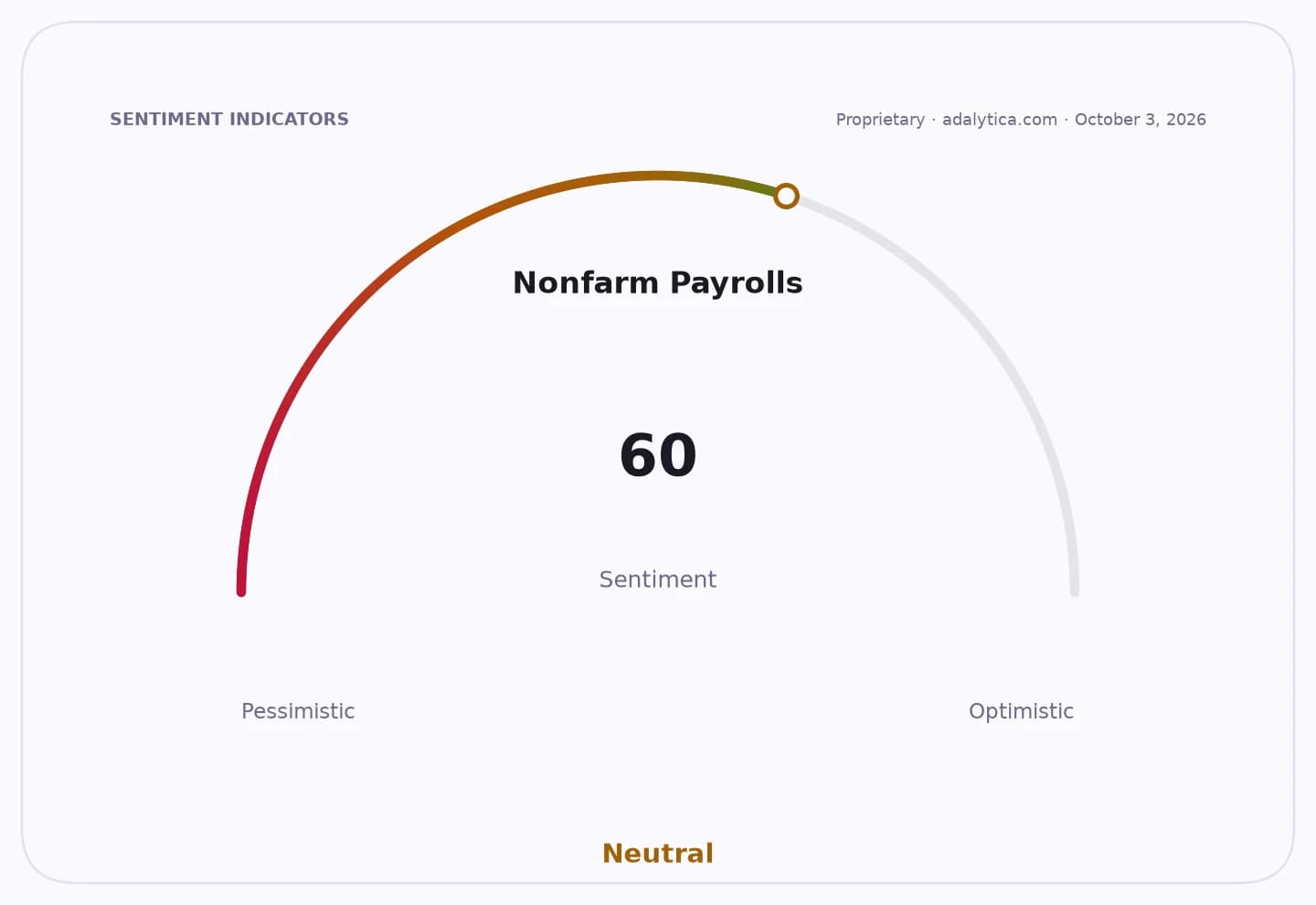
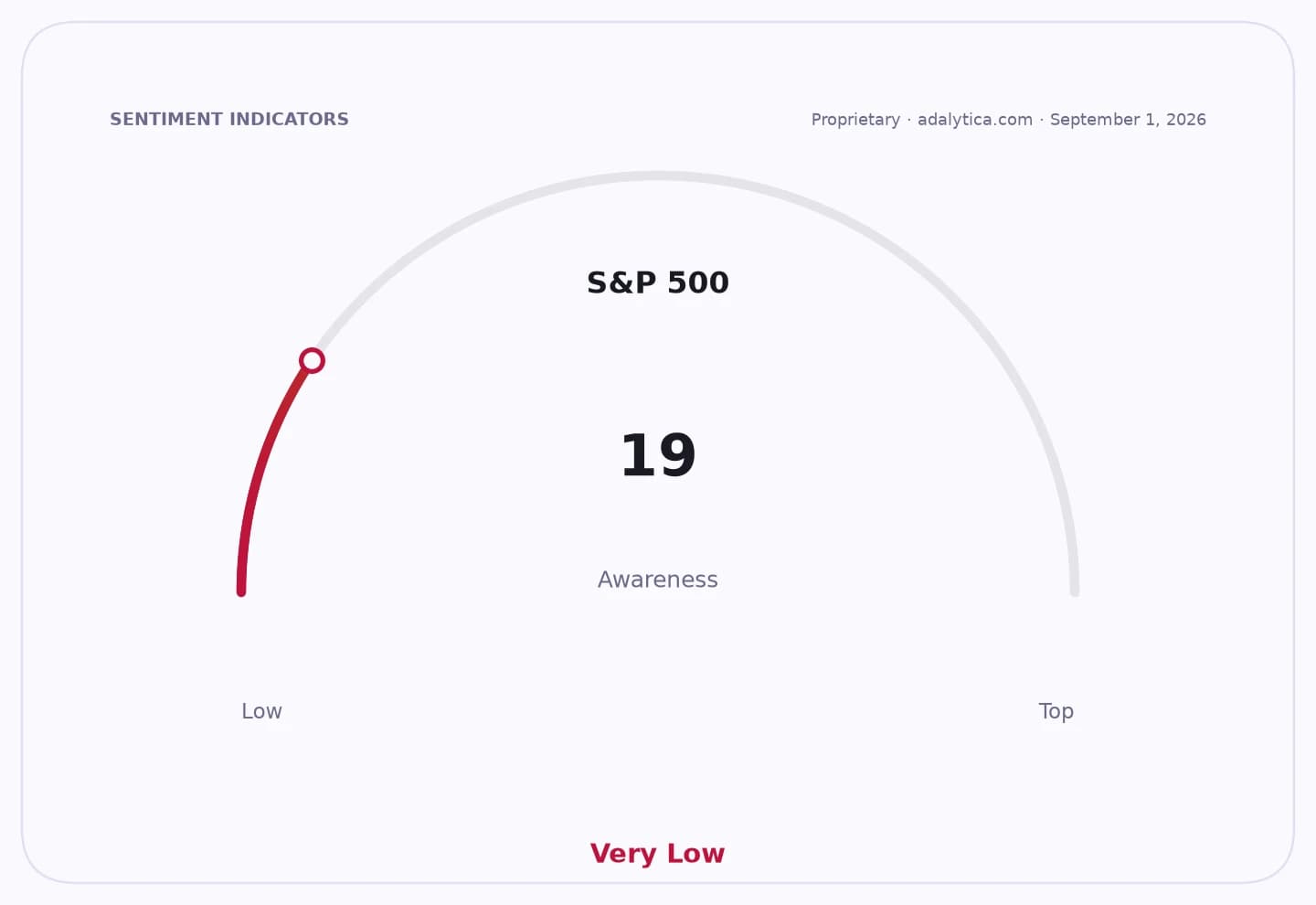
Sentiment IndicatorsⓘProprietary · adalytica.com · October 3, 2026
This is a snapshot — live sentiment, awareness and momentum for 130+ markets update continuously in the dashboard.Open AlphaPulse
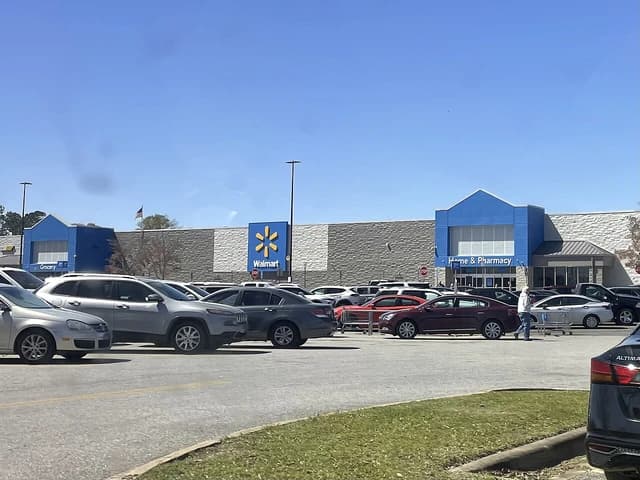
That matters because household spending still accounts for about 70% of U.S. economic activity. If consumers finally retrench, the economy loses its main engine just as business investment is already leaning heavily on artificial intelligence capex to keep growth elevated. That makes the consumer not just a spending story, but a market story: any slowdown would shift the burden of supporting growth even more onto the AI buildout, a narrow pillar the market may be underestimating.
The labor market is still doing just enough to hold the line. Employers added only 29,000 jobs in September and prior months were revised down by 60,000, but unemployment remains relatively low at 4.2% in a low-hire, low-fire environment. That means paychecks are still coming in, even if hiring is weak and wage gains are lagging. Average hourly earnings rose 3% from a year earlier in September, well below inflation, so real purchasing power is being squeezed even as nominal spending stays firm.
Households are filling the gap the old-fashioned way: by draining savings and leaning on credit. The personal saving rate fell to 4.1% in August, its lowest in nearly four years, while credit-card balances rose $21 billion in the second quarter to $1.26 trillion, close to last year’s record of $1.28 trillion. Delinquencies are still manageable, but the share of accounts more than 90 days past due climbed to 12.8%, a warning that the consumer balance sheet is becoming more fragile.
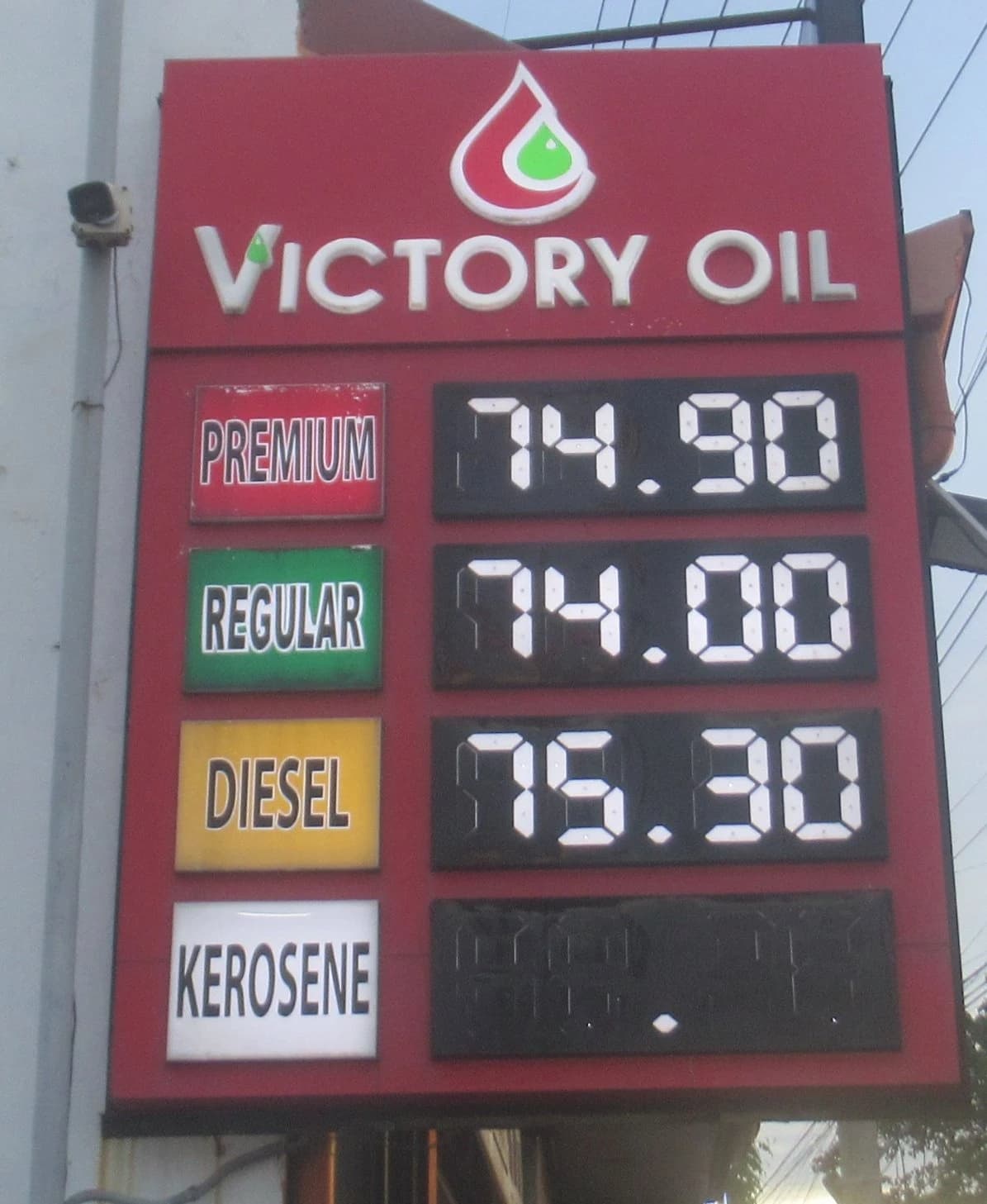
Fuel is another direct hit. Americans have spent an extra $65 billion on gas since the war began, and with regular gasoline averaging $4.39 a gallon and diesel $6.37, discretionary budgets are being crowded out by necessity. That is changing where people shop, not just how much they spend. Value-focused chains such as Walmart, Costco and dollar-store operators are seeing relative strength as households trade down and hunt for bargains, while more traditional retailers face more pressure.
That is why the market underestimates how asymmetric the next move could be. The consumer has repeatedly absorbed new shocks without breaking, which has encouraged complacency. But resilience built on savings drawdowns, debt and strained real wages is not the same as resilience built on income growth. If gasoline stays elevated and job growth remains soft, spending should slow over the next few quarters, as Oxford Economics expects.
For investors, the message is clear: the winners are the companies that profit from trade-down behavior, not the ones relying on broad discretionary strength. Big-box retailers, discount chains and essential-goods names look better positioned than premium retailers, airlines and other cyclical spenders tied to excess household confidence. If the consumer finally cracks, the spillover would hit growth stocks, small caps and the broader cyclicals complex, while reinforcing the case for defensive cash flows.
The market is still pricing in an American consumer that can keep carrying the economy almost indefinitely. Our view is different. Spending can persist longer than skeptics expect, but the gap between what households earn and what they spend is widening, and that gap will eventually close. Investors should be positioned now for a slower, more selective consumer — and for the retailers and defensive names that benefit when wallets tighten.
| Entity | Gains | Losses |
|---|---|---|
| Walmart, Costco, Dollar General | ▲Trade-down demand | ▼Premium discretionary chains |
| Credit-card lenders | ▲Higher revolving balances | ▼Late-stage delinquencies |
| U.S. economy | ▲Short-term growth support | ▼If consumer spending stalls |
| Cyclical retailers and travel | ▲Temporary resilience | ▼Slower spending and weaker confidence |