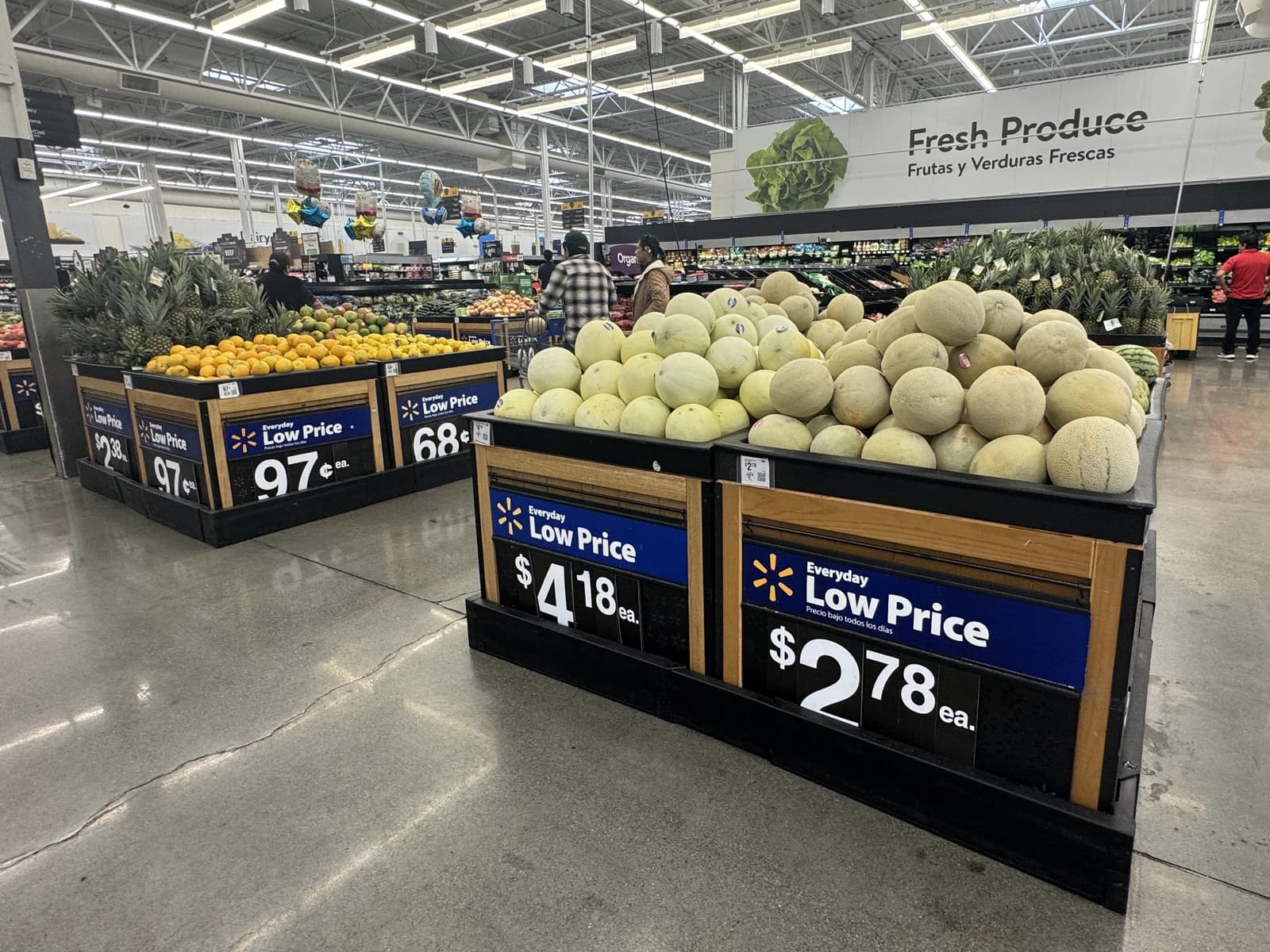
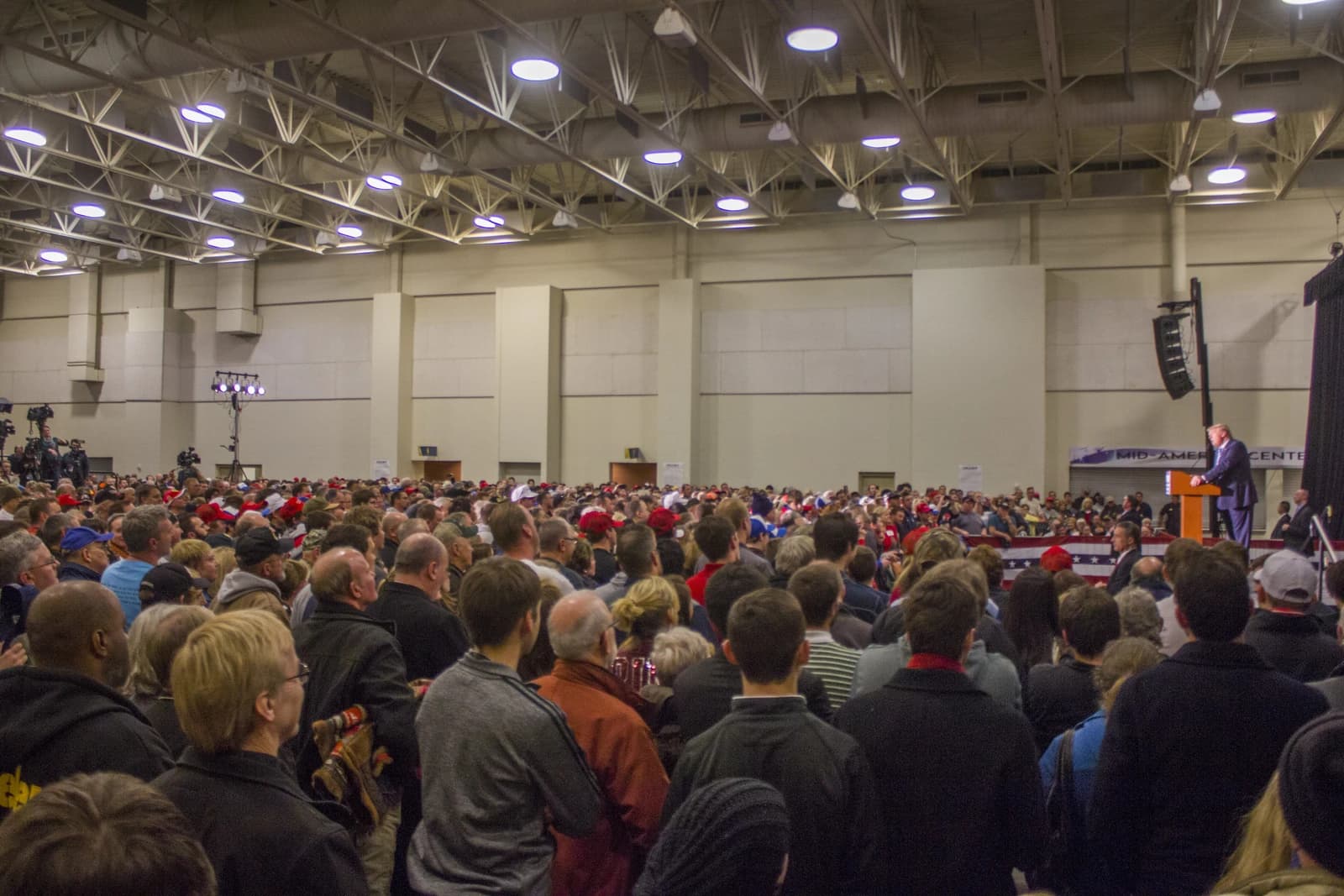
The poll shows the political damage is broadening beyond the usual opposition. About 52% of Republicans disapprove of Trump’s handling of the cost of living, and 65% of Americans now say his policies are more responsible for persistently high prices than outside factors. That is an economic headache as much as a messaging one: once voters internalize policy as the cause of pain, they tend to demand a shift in spending, taxation or regulation.
For markets, the risk is that weak confidence starts to show up in real activity. Food and gas remain the biggest pain points, and the SNAP changes that took effect Oct. 1 add another layer of pressure on state budgets, even if household benefits are not directly cut. More friction around basic necessities reinforces the case for selective positioning in staples, low-cost grocers, logistics and energy infrastructure, while keeping a cautious eye on leisure, apparel and other discretionary names.
Adalytica’s US Presidential Approval Sentiment gauge is flashing Extreme Fear, with sentiment at 4, a steep deterioration from 21 just two days earlier. That doesn’t move markets by itself, but it captures the same message the polls are sending: the politics of affordability are deteriorating fast, and that usually forces fiscal and policy responses.
The investment takeaway is straightforward: this is not just a White House communications issue, it is a consumer-confidence reset. I believe the market underestimates how long affordability anxiety can suppress risk appetite in politically sensitive sectors. Stay overweight the businesses that sell essentials or benefit from defensive spending, and be selective on consumer cyclicals until policymakers prove they can turn approval into purchasing power.