Africa’s economic expansion is losing momentum as global headwinds, sticky inflation and elevated borrowing costs squeeze governments, households and already strained public finances, raising the prospect that poverty reduction efforts will stall.
Africa Growth Slows as Inflation and Rates Stay High

The slowdown matters because many African economies entered this period with limited fiscal space and heavy debt loads, leaving policymakers with fewer tools to cushion weaker growth without stoking price pressures or unsettling bond markets. That combination is the classic setup for stagflation: slower activity alongside persistent inflation, a mix that tends to erode real incomes, curb investment and force harder trade-offs between debt service, social spending and development priorities.
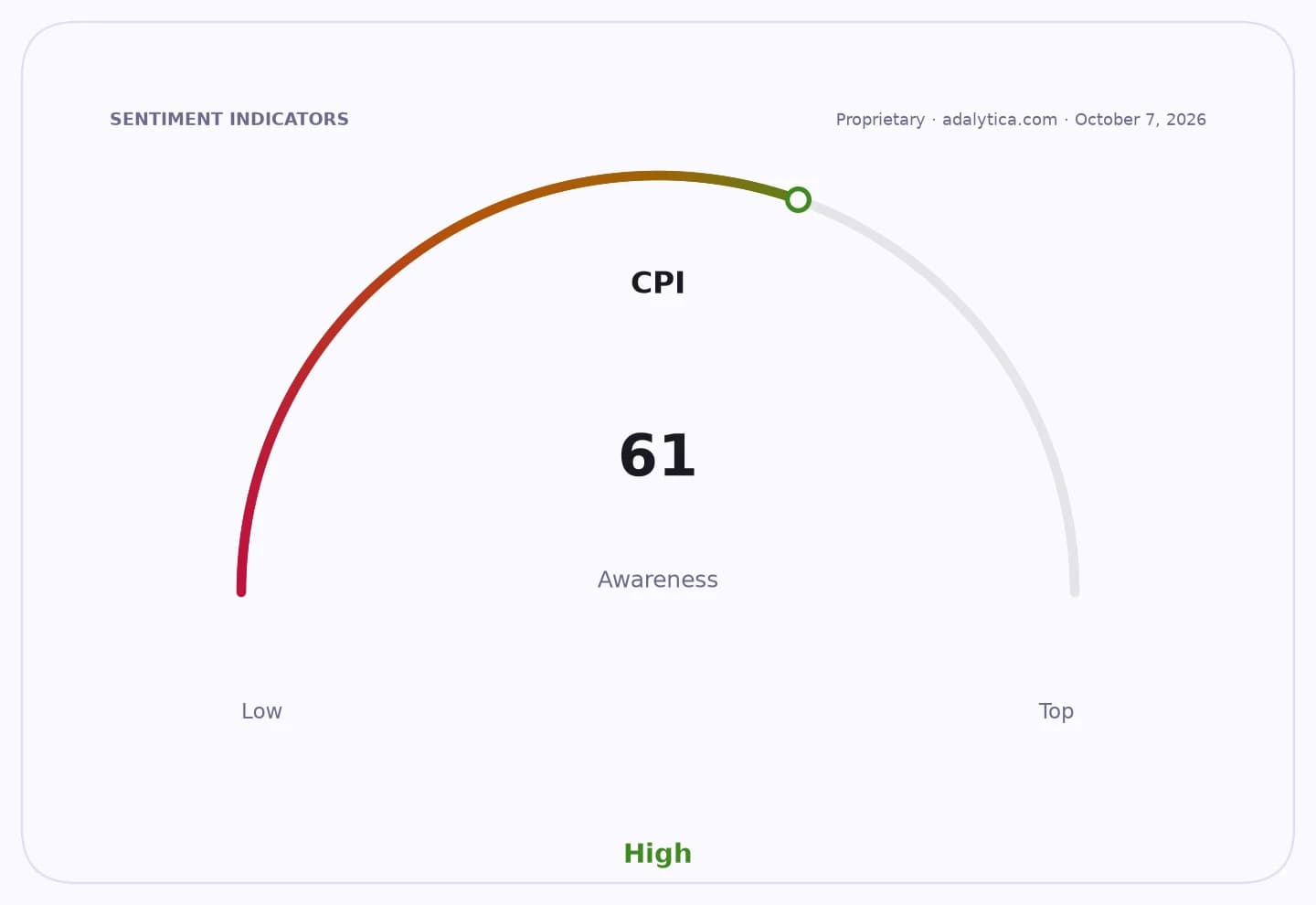
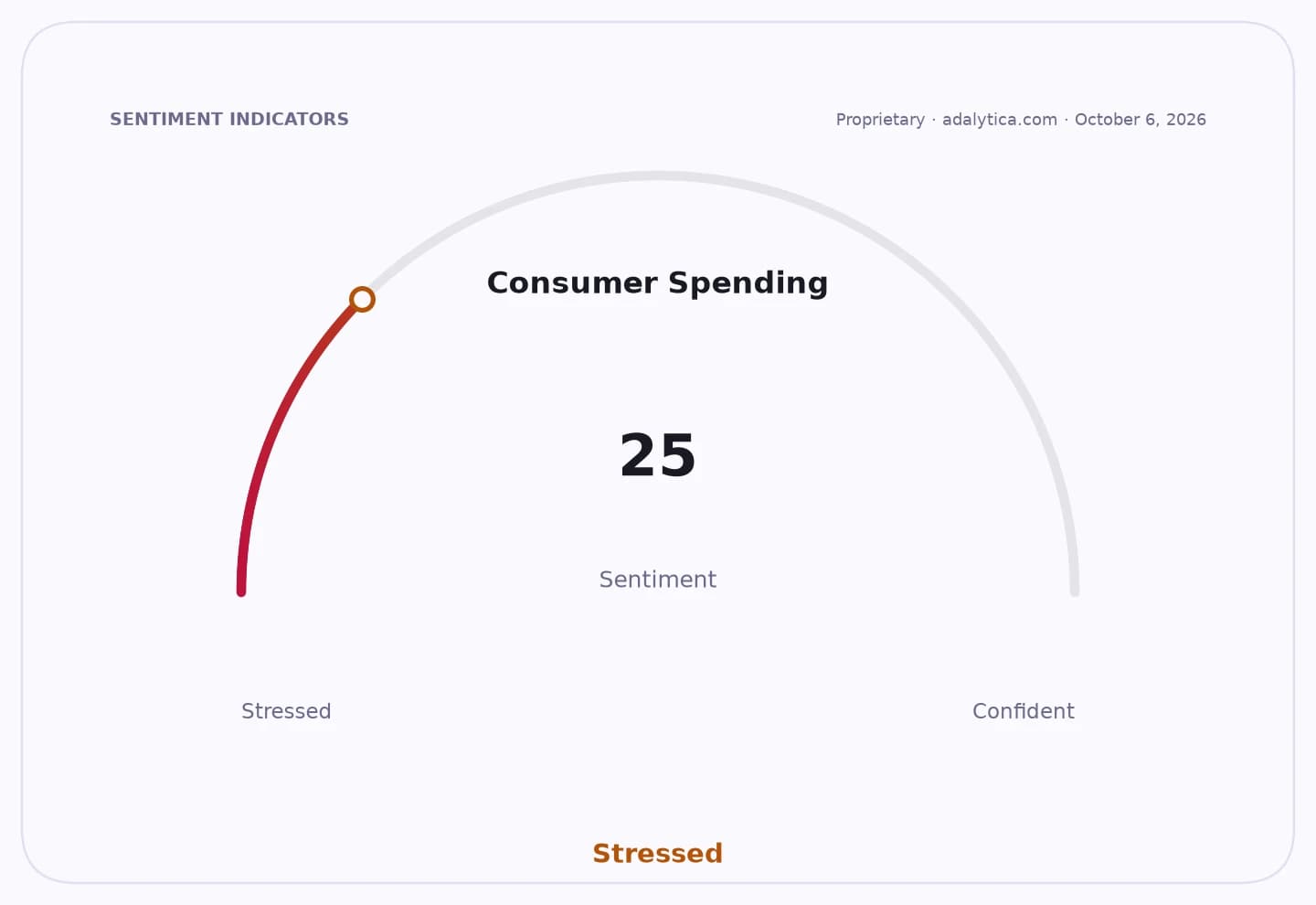
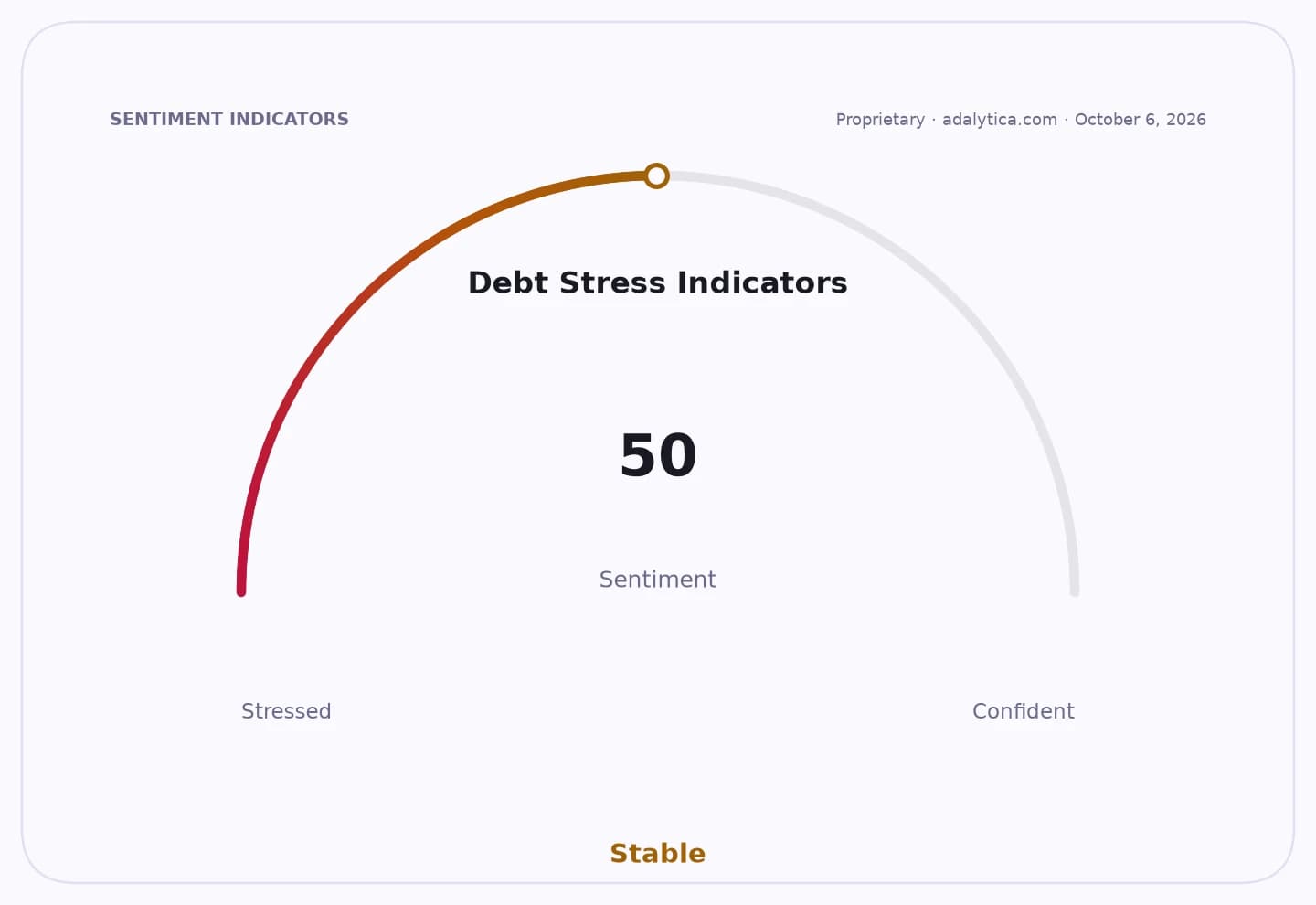
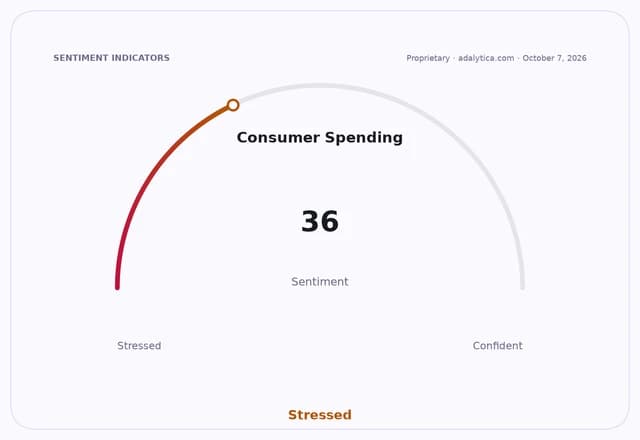
Sentiment IndicatorsⓘProprietary · adalytica.com · October 7, 2026
This is a snapshot — live sentiment, awareness and momentum for 130+ markets update continuously in the dashboard.Open AlphaPulse

The pressure is not just local. A higher-for-longer global rate environment has kept financing conditions tight for frontier borrowers, while external demand has softened and imported inflation has continued to pass through into food, fuel and transport costs. U.S. rates remain above 3.7%, the 10-year Treasury yield is around 5.3%, and broad risk appetite in global markets has not translated into easier funding for poorer sovereigns. In that environment, African governments are often left choosing between defending currencies, cutting deficits and funding subsidies or wage support.
Markets are already reflecting the strain. The iShares MSCI Emerging Markets ETF has held up better than U.S. Treasuries, but that masks the pressure inside the developing-world complex, where capital tends to favor larger, more liquid markets rather than smaller African issuers. The 20-plus-year Treasury ETF TLT has fallen to around 77, underscoring how restrictive global rates remain and why debt refinancing is still costly for countries rolling over external obligations.
The economic stakes are high for investors in sovereign bonds, development finance and African corporates. Slower growth can weaken tax revenues and worsen debt ratios, while persistent inflation raises the chance that central banks stay tighter for longer, delaying any relief for borrowers and consumers. For equities, the risk is that demand growth disappoints even where nominal sales rise, squeezing margins for banks, retailers and consumer-facing companies.
There is also a political dimension. When inflation outpaces wages and growth slows, governments face rising pressure to protect jobs and purchasing power, often through spending measures that can clash with IMF programs or debt restructuring commitments. That tension makes policy credibility harder to maintain and can increase volatility in local-currency debt and exchange rates.
For investors, the key question is whether inflation peaks quickly enough for African central banks to cut without reigniting currency weakness. If it does not, the region could endure a longer period of weak real growth, high funding costs and limited fiscal room, with the burden falling most heavily on low-income households and the countries least able to absorb another shock.
| Entity | Gains | Losses |
|---|---|---|
| Local currency borrowers | ▲Lower inflation relief, if any | ▼Higher refinancing costs |
| African governments | ▲None from stagflation | ▼Fiscal space, policy flexibility |
| Households | ▲None from slower growth | ▼Real wages and purchasing power |
| Bondholders in higher-quality markets | ▲Relative safe-haven demand | ▼Frontier sovereign debt valuations |