China’s yuan stayed broadly steady even as the dollar strengthened during Golden Week, a sign the market is still treating the currency’s recent appreciation as a durable trend rather than a short-lived move.
China yuan stays steady after Golden Week
That matters because the yuan has already gained nearly 9% against the dollar since late 2024, and a stable offshore rate through a week when the dollar index rose about 0.8% suggests the renminbi is being supported by something more than short covering. For investors, that raises the odds that China’s currency remains an incremental tailwind for exporters’ foreign earnings translation, while also sharpening the pressure on capital allocators to think harder about where Chinese savings and trade surpluses ultimately land.
Sentiment IndicatorsⓘProprietary · adalytica.com · October 9, 2026
This is a snapshot — live sentiment, awareness and momentum for 130+ markets update continuously in the dashboard.Open AlphaPulse

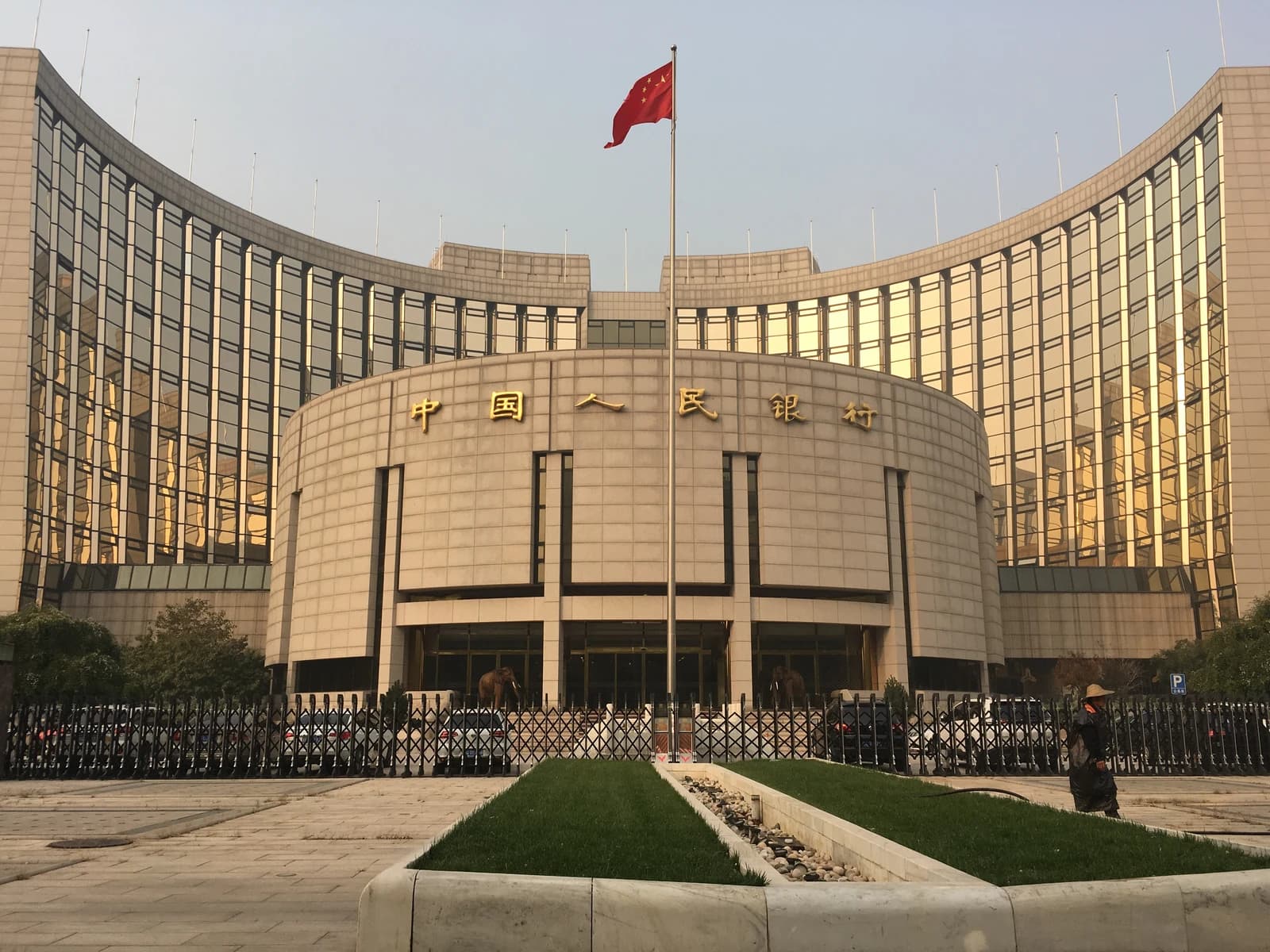
Onshore yuan trading resumed around 6.7030 per dollar, just firmer than before the National Day break, while the People’s Bank of China set a weaker midpoint at 6.7367. That weaker fixing acknowledged the dollar’s recent strength, with the greenback touching an 18-month high earlier in the week, but it did not overturn the broader message from offshore markets: the yuan did not buckle during China’s holiday.
The resilience is important because it points to a tug-of-war between two powerful forces. On one side is China’s trade surplus and still-robust export engine, which continue to generate foreign-currency inflows. Goldman Sachs said Chinese export growth still has runway over the next few years despite the already large surplus. On the other side are private capital outflows, which are absorbing some of that support.

Pantheon Macroeconomics’ Duncan Wrigley said the trade surplus is producing large foreign-currency inflows that are being partly offset by portfolio outflows. That theme is increasingly central to the yuan outlook: official data released on Sept. 29 showed Chinese residents bought $119 billion of foreign bonds and $44 billion of offshore equities and investment funds in the first half of 2026, a reminder that domestic savers continue to seek yield and diversification outside the mainland.
For investors, that is where the real opportunity lies. A firmer yuan tends to reinforce confidence in China-facing assets, but the bigger story is the global capital reallocation underneath it. If Chinese households and institutions keep buying foreign bonds and offshore equities while export receipts keep flowing in, the result is a sustained bid for non-China assets even as the yuan itself stays orderly. That supports the case for exposure to beneficiaries of Chinese outward investment, foreign asset managers, and exporters with strong dollar revenues, while making life harder for those betting on a disorderly yuan decline.
The technical picture also supports the idea of a currency that is consolidating rather than reversing. The onshore yuan remains near 6.70, with the dollar-yuan pair still below its 200-day moving average in the supplied data, while Adalytica’s trade-signal snapshot shows the dollar in neutral territory and the yuan in extreme fear. In contrarian terms, that is exactly when markets often get the direction wrong.
The next catalyst is whether the dollar’s recent surge can extend once China’s markets are fully back in session. If it can’t, the yuan’s post-holiday stability may look less like a pause and more like the start of another leg in a multiquarter appreciation trend. For investors, that argues for staying positioned in companies and ETFs that benefit from a firmer yuan, continued Chinese export strength, and the next wave of global capital flowing out of mainland portfolios and into harder currency assets.
| Entity | Gains | Losses |
|---|---|---|
| Chinese exporters | ▲Stronger foreign-currency receipts | ▼Local-currency revenue conversion risk |
| Dollar bulls | ▲Near-term momentum | ▼Yuan resilience |
| Foreign asset managers | ▲Chinese portfolio outflows | ▼Mainland capital controls pressure |
| Yuan-linked long positions | ▲Trend support | ▼Disorderly devaluation bets |