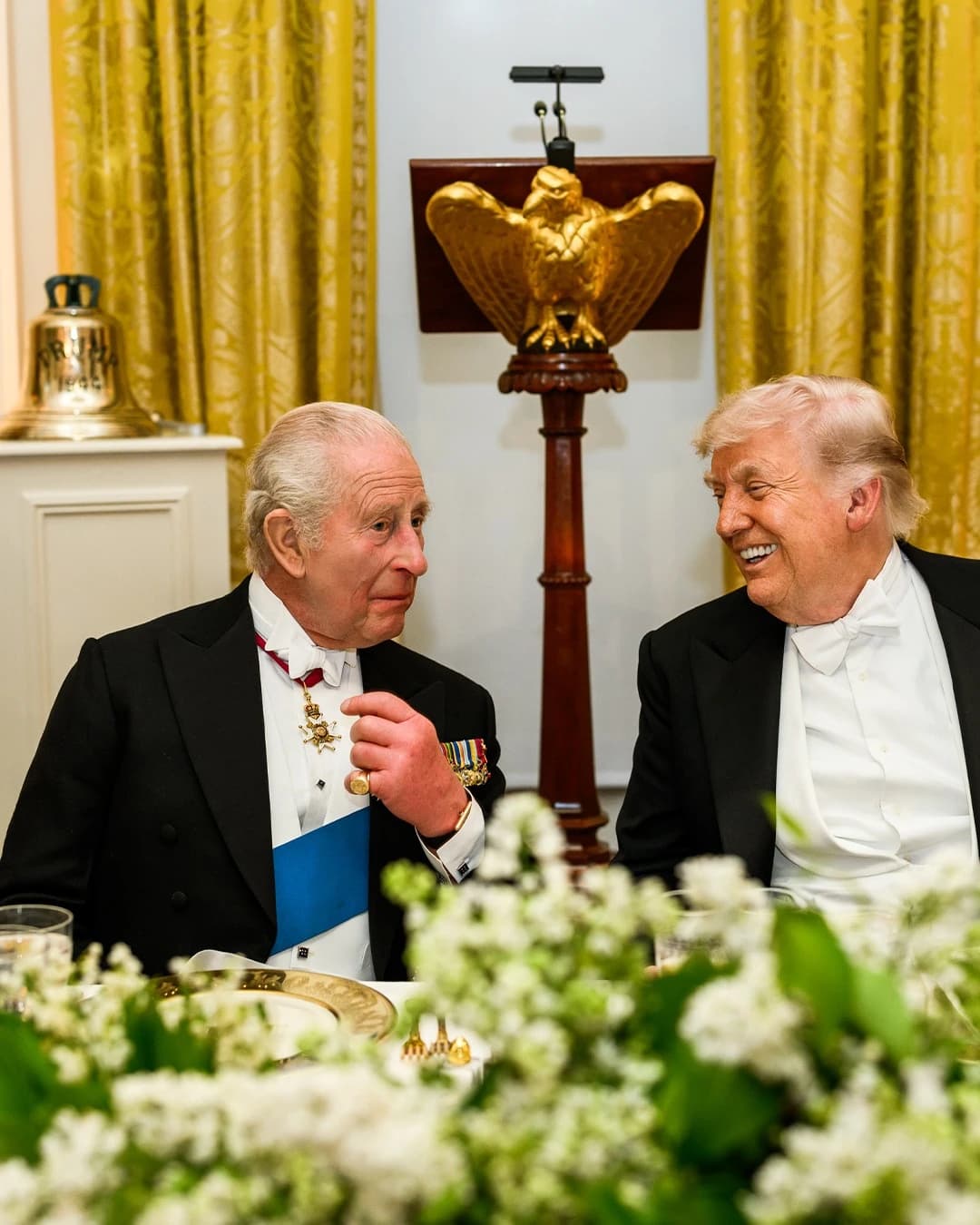
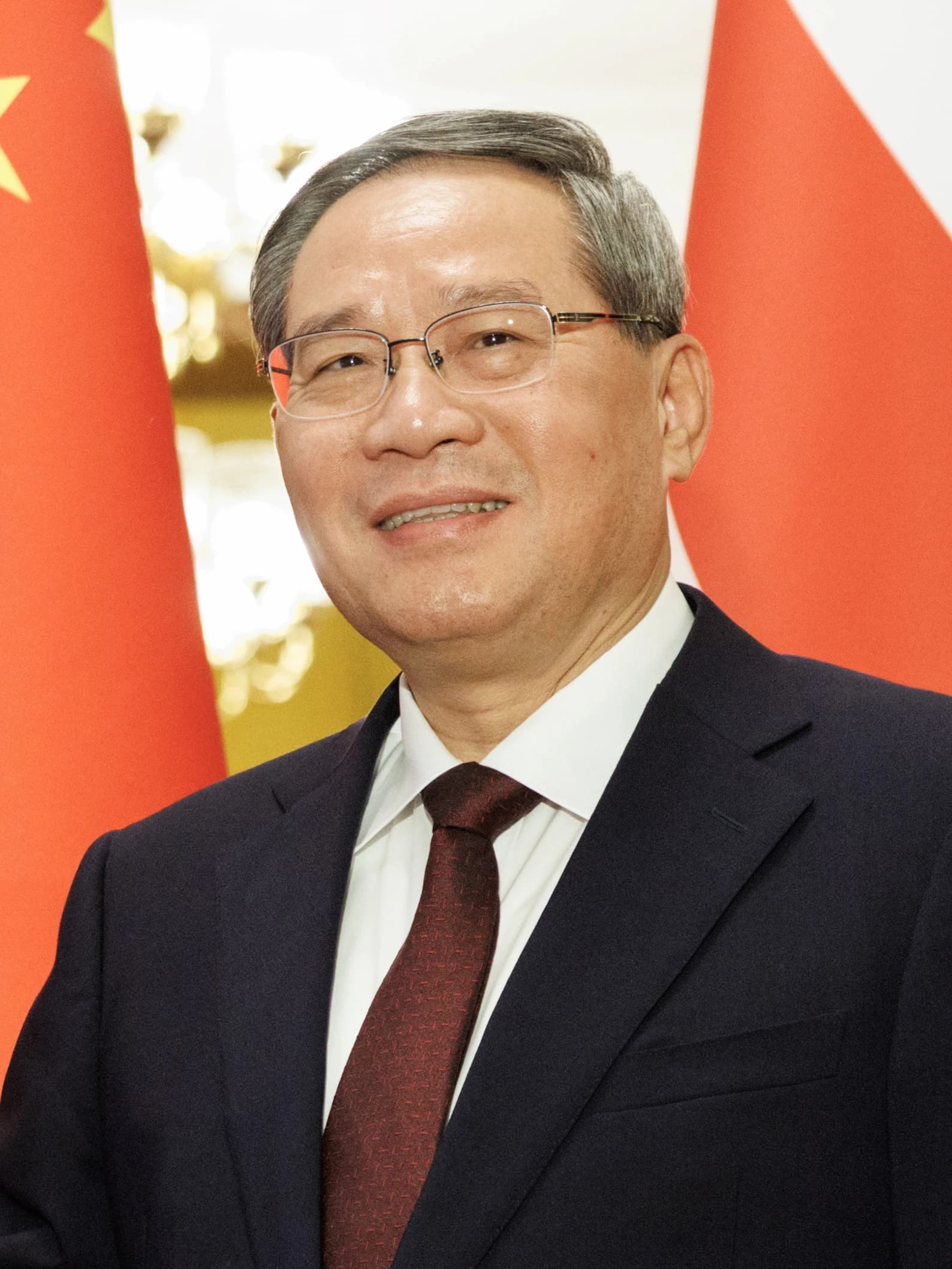
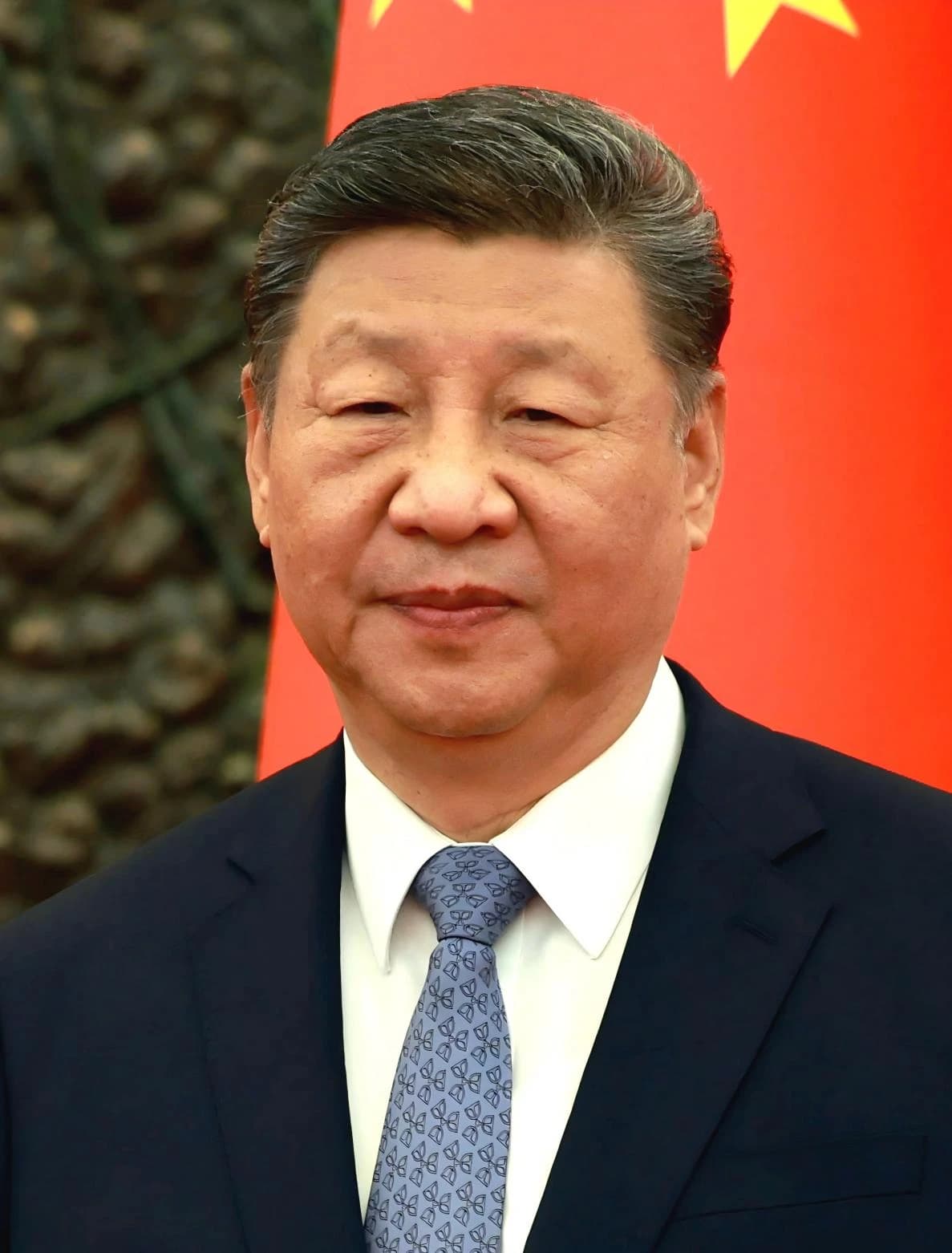
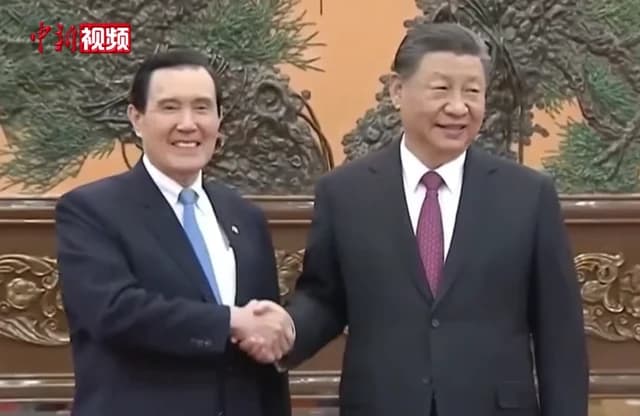
China’s leader Xi Jinping used a National Day reception to project confidence in the world’s second-largest economy while repeating a hard line on Taiwan, underscoring that Beijing is pairing domestic stimulus with geopolitical rigidity at a moment when investors are already pricing in more risk.
China stimulus and Taiwan risk weigh on FXI
That combination matters because China’s growth story and its Taiwan policy are now moving on the same axis for markets: one is propping up demand, the other is keeping a large geopolitical overhang on Asian assets, supply chains and cross-border capital flows. Xi’s remarks landed just after Beijing unveiled fresh support measures, including a cut in a key policy funding rate, expanded credit support and mortgage subsidies for some first-time homebuyers — a clear sign authorities are still worried enough about the property slump and weak domestic demand to keep easing.
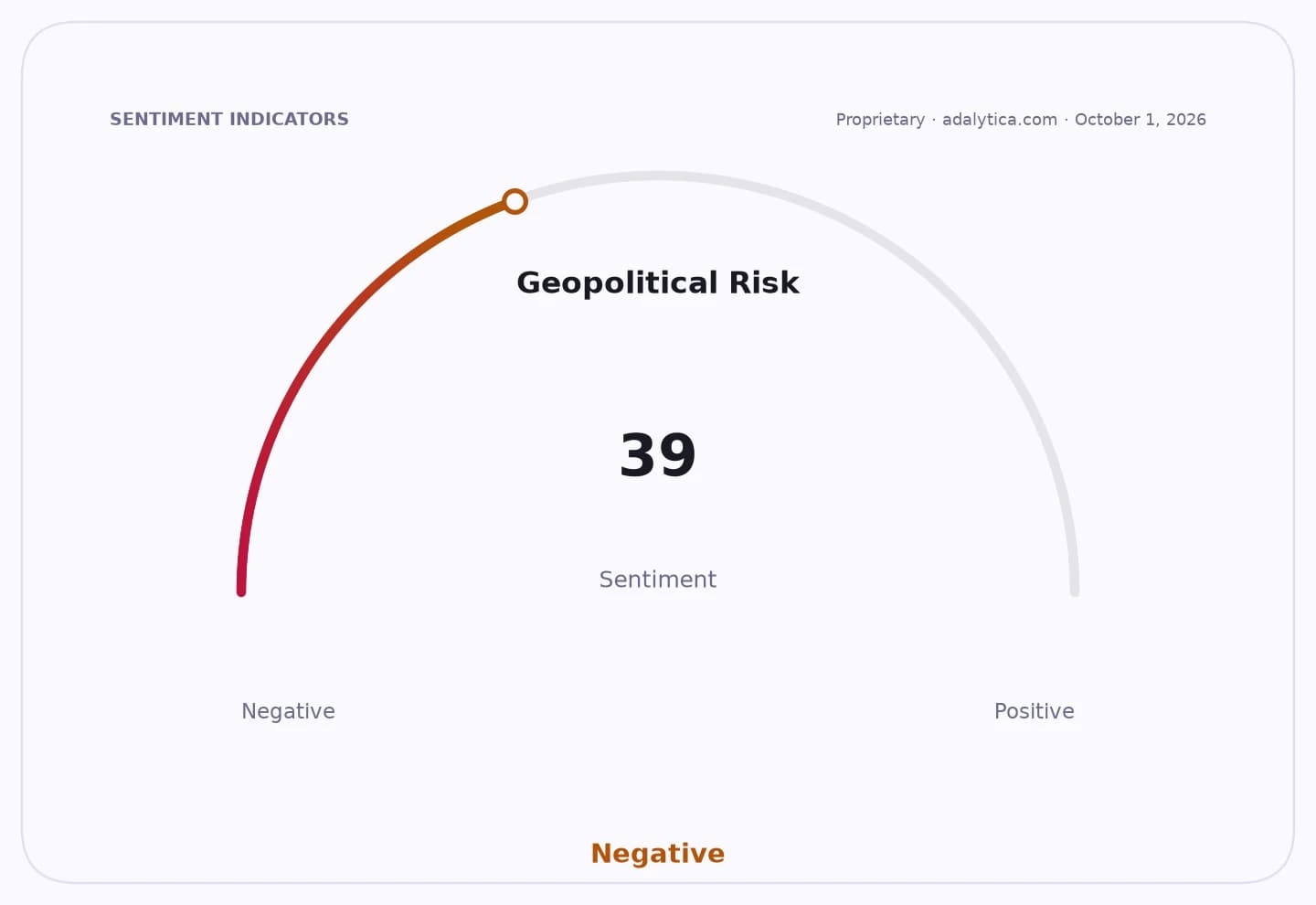
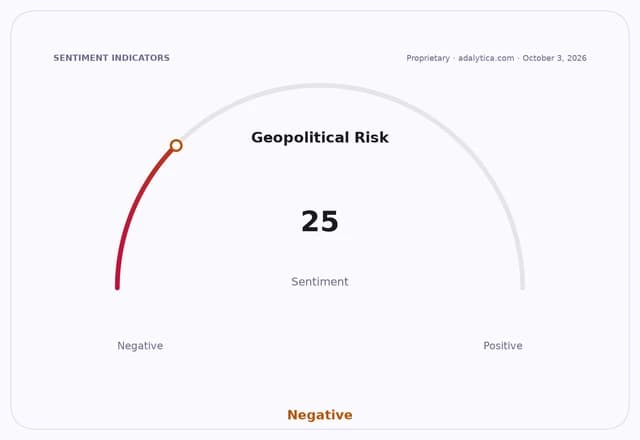
Sentiment IndicatorsⓘProprietary · adalytica.com · October 3, 2026
This is a snapshot — live sentiment, awareness and momentum for 130+ markets update continuously in the dashboard.Open AlphaPulse
The economic backdrop is improving only at the margin. China’s official manufacturing PMI rose to 50.1 in September from 49.8 in August, but smaller firms remained below the 50 level that separates growth from contraction, and employment was still soft. In services, the non-manufacturing index edged up to 50.2, yet new orders stayed deeply subdued at 46.5 and property activity remained weak. Xi’s message of resilience is therefore less a declaration of victory than a signal that Beijing wants markets to believe the slowdown is manageable as it prepares the 15th five-year plan covering 2026-2030.
For investors, the bigger takeaway is that China is still forcing a split-screen trade. On one side are policy support, incremental stabilization and a possible floor under Chinese equities and cyclicals. On the other is a Taiwan risk premium that is not going away, especially after the first two of Taiwan’s 66 ordered U.S. F-16V Block 70 fighters arrived this week. That delivery, along with renewed U.S. backing for Taiwan’s security and continuing military pressure around the island, keeps defense, semiconductors and shipping routes in the crosshairs of any escalation.
US-China Relations vs FXIadalytica.com
Explore this data interactively — full history, time series and cross-market comparisons.Open AlphaPulse
The market evidence already shows how fragile sentiment remains. Shares of the iShares China Large-Cap ETF, FXI, fell to $33.19 on Oct. 2 from $35.88 a month earlier, with the 14-day RSI sinking to 31.9 — a conventional technical reading that points to oversold conditions but not a durable trend reversal. The Hong Kong benchmark tracked by EWH also slipped to $21.57, near the lower end of its recent range, while the Japan ETF EWJ held firm at $98.92, suggesting capital is favoring regional stability over mainland China exposure.
That divergence is the investable story. Beijing’s growth support may eventually help Chinese financials, industrials and domestic-demand names, but the market underestimates how much Taiwan tension is embedded in supply chains from semiconductors to advanced hardware. The beneficiaries of this regime are increasingly the picks-and-shovels of geopolitical hedge: defense contractors, non-China manufacturing hubs, and companies with diversified production footprints. The losers are the sectors most exposed to a prolonged China slowdown or to a sharper escalation around the Taiwan Strait.
Xi’s speech was framed as continuity, not compromise. For markets, that means the China trade remains a barbell: take selective exposure to policy-backed stabilization, but keep a far larger position in assets that benefit from de-risking, supply-chain diversification and Asia security spending. The next catalyst will be whether Beijing’s stimulus is enough to steady data into year-end — or whether Taiwan tensions keep ensuring that every rebound in China assets remains fragile.
| Entity | Gains | Losses |
|---|---|---|
| Chinese policymakers | ▲Narrative of control | ▼Pressure to do more stimulus |
| FXI / China cyclicals | ▲Policy support hopes | ▼Taiwan risk premium |
| Taiwan defense assets | ▲More deterrence spending | ▼Higher security tensions |
| Japan / non-China Asia plays | ▲Capital rotation flows | ▼— |