Samruk-Kazyna’s first foray into the Dim Sum bond market matters because it gives Kazakhstan’s sovereign wealth fund a new source of long-term funding at a time when investors are still willing to chase credit in offshore yuan.
Samruk-Kazyna Issues First Dim Sum Bonds

The fund sold 3 billion yuan of bonds split into three-year and five-year tranches, with coupons of 2.15% and 2.30% respectively. Demand was more than three times the amount on offer, a sign that global buyers remain comfortable with the credit and are looking for yield in a market that is still deepening outside China.
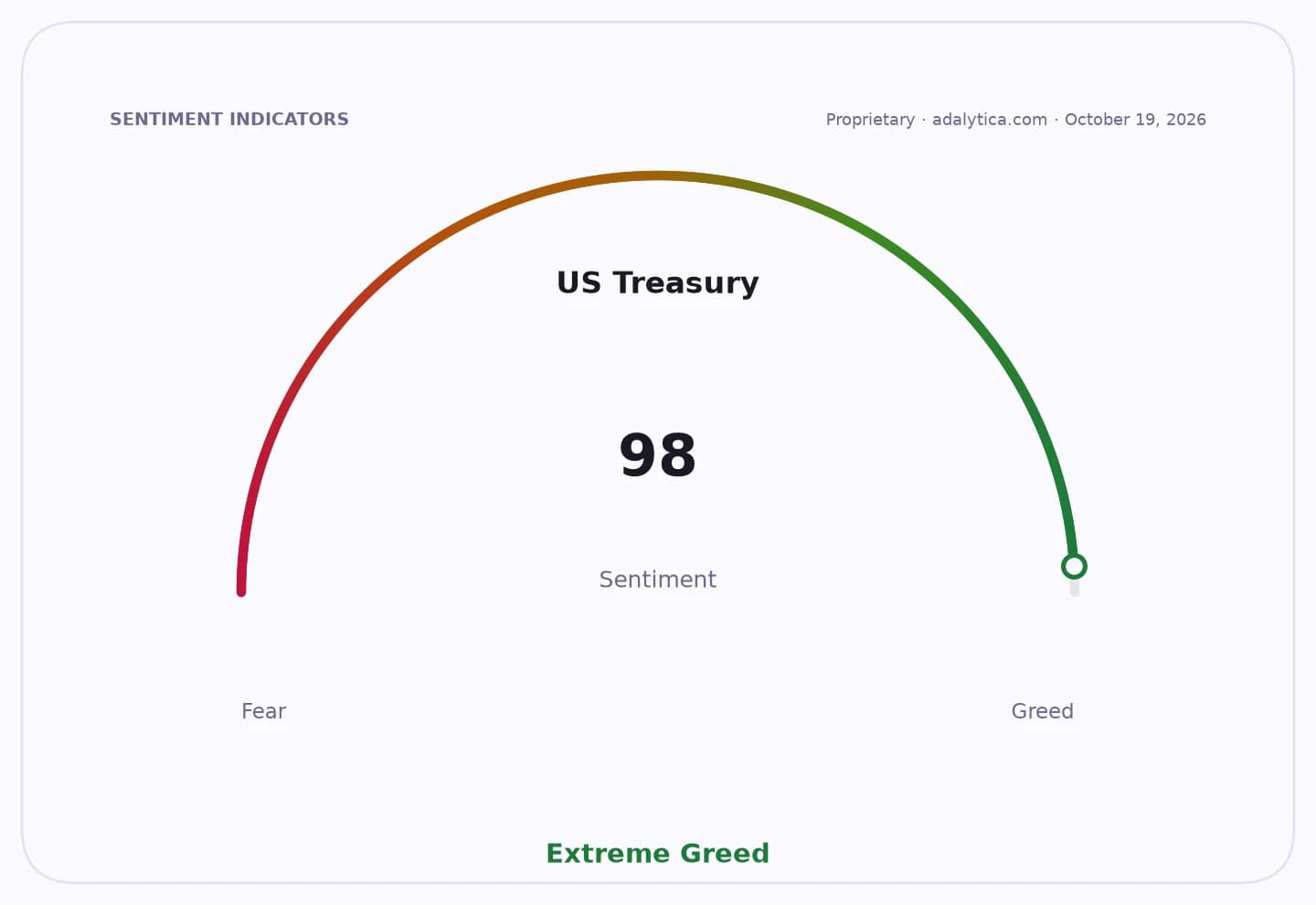
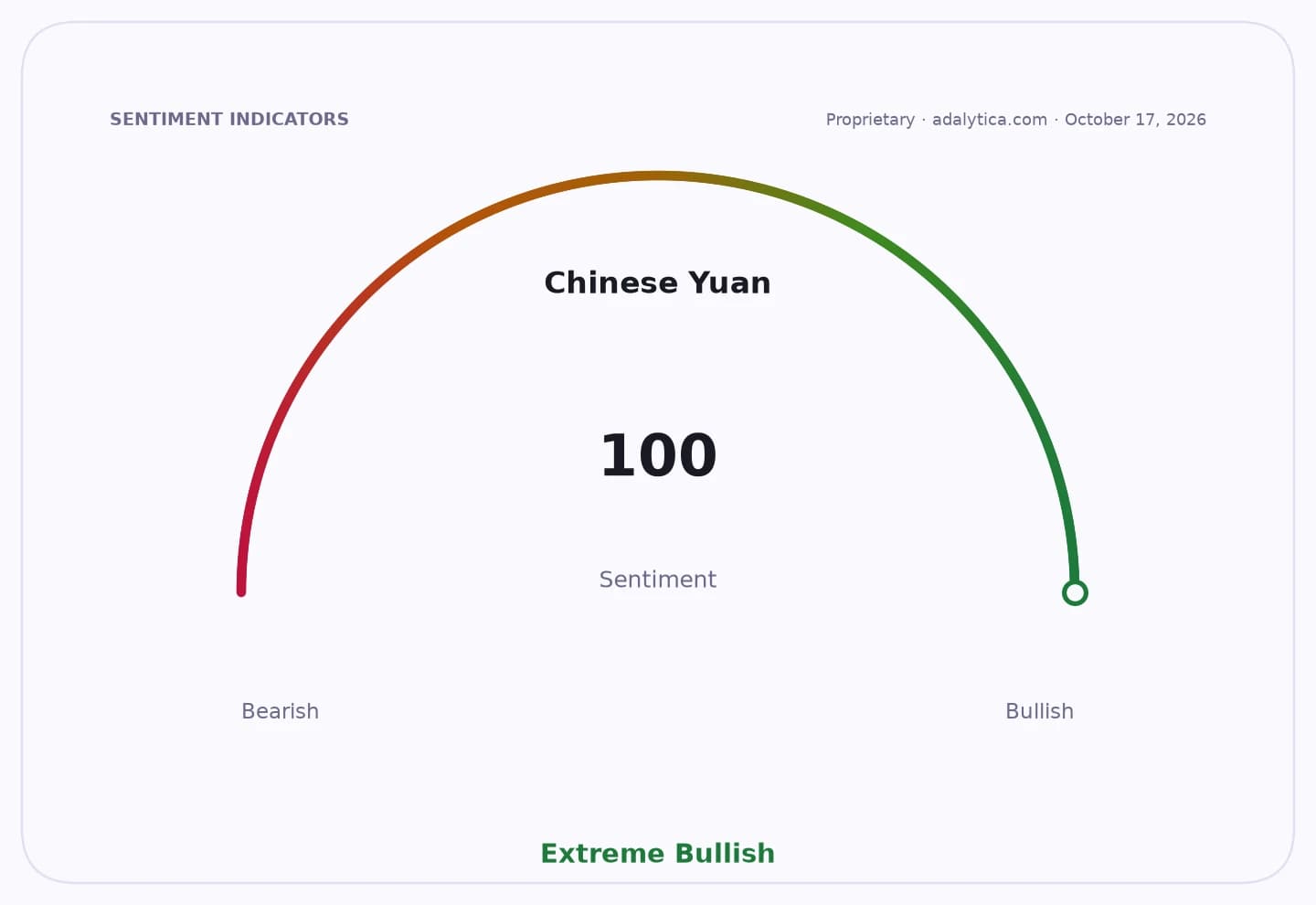
Sentiment IndicatorsⓘProprietary · adalytica.com · October 19, 2026
This is a snapshot — live sentiment, awareness and momentum for 130+ markets update continuously in the dashboard.Open AlphaPulse
For investors, the deal is important less because of the size than because of the signal. A debut offshore yuan issue from a major Kazakh state vehicle widens the map for borrowers beyond the usual Chinese, Hong Kong and regional names. It also shows that yuan funding is becoming a practical tool for non-Chinese issuers seeking to diversify away from dollar markets, especially when U.S. rates remain elevated and dollar funding can be expensive.
The timing also matters. Samruk-Kazyna came to market alongside a 1 billion yuan Dim Sum debut from Dubai’s Mashreq Bank, underlining how international issuers are tapping Chinese currency liquidity to broaden their investor base. That parallel demand suggests the offshore yuan market is no longer just a niche for China-related borrowers, but a real funding channel for investment-grade and quasi-sovereign credits with credible market access.
The bonds were listed on both the Hong Kong stock exchange and Astana International Exchange, which gives the issue added visibility and may help Kazakhstan build a repeat market for future borrowing. The bookrunners included Citi, Guotai Junan International and Standard Chartered, with a broad syndicate of Chinese and international banks helping place the deal.
For long-term investors, the larger takeaway is that capital markets are slowly becoming more multipolar. If offshore yuan liquidity keeps growing, borrowers from Central Asia to the Gulf may gain a cheaper or more diversified funding route, while investors get another currency market to compare against dollar and euro debt. That is worth watching, especially if more state-backed issuers follow Samruk-Kazyna into the Dim Sum market.
| Entity | Gains | Losses |
|---|---|---|
| Samruk-Kazyna | ▲Cheaper funding access | ▼Reliance on dollar debt |
| Offshore yuan investors | ▲More issuer choice | ▼Scarcity premium narrows |
| Kazakhstan | ▲Broader capital-market reach | ▼Less dependence on one market |
| Dollar funding markets | ▲Lower pressure from one borrower | ▼Fewer frontier borrowers at the margin |