Kazakhstan’s sovereign wealth fund Samruk-Kazyna has opened bookbuilding for up to 6 billion yuan in Dim Sum bonds, tapping offshore renminbi markets to diversify funding and test investor demand for Central Asian credit.
Samruk-Kazyna opens 6 billion yuan Dim Sum bond sale
The deal, arranged on the Astana International Exchange, comes in two tranches: up to 2 billion yuan in three-year notes and up to 4 billion yuan in five-year notes. Indicative pricing points to coupons of about 2.7% and 2.85%, respectively, with settlement scheduled for Oct. 23, according to AIX.
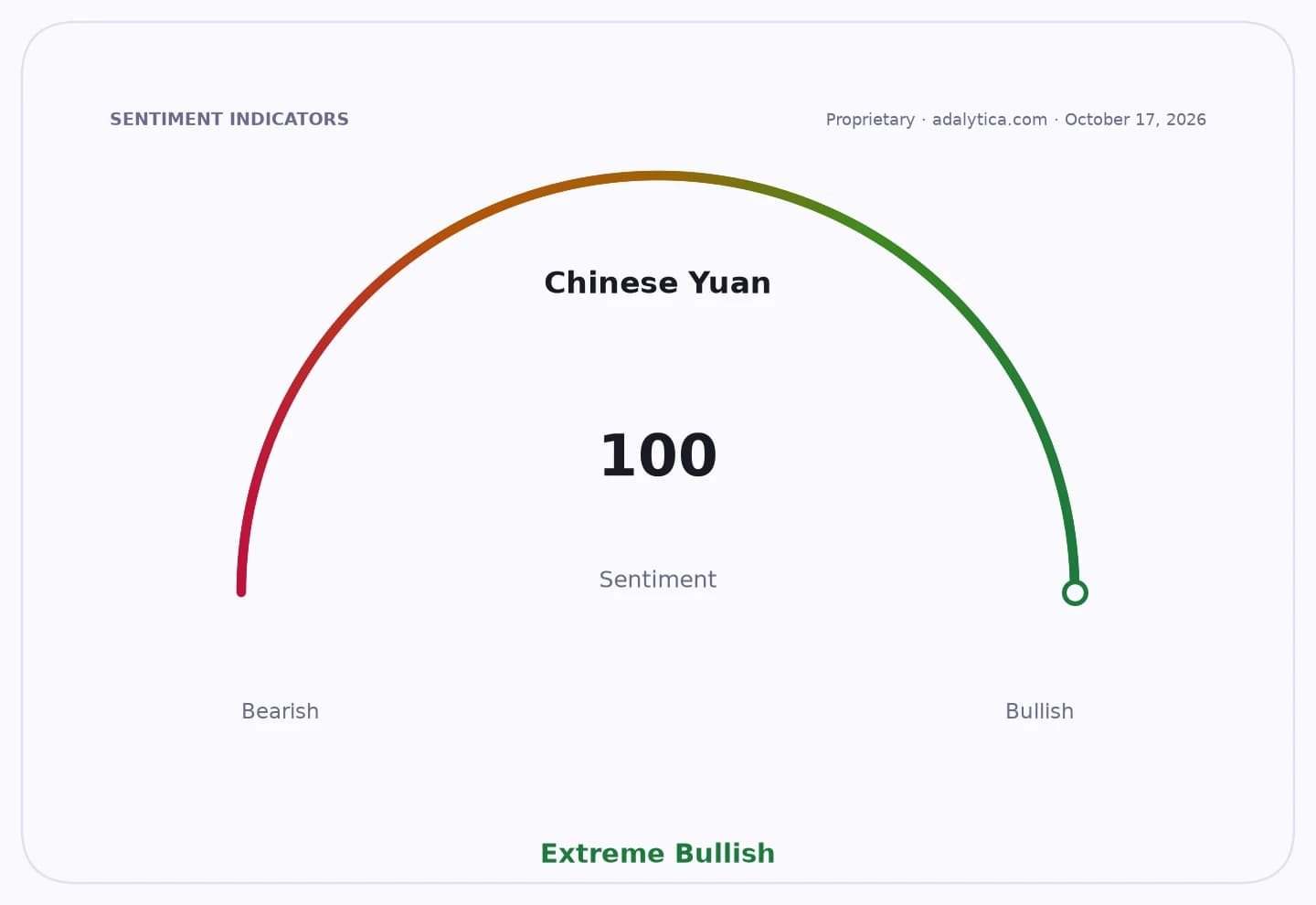
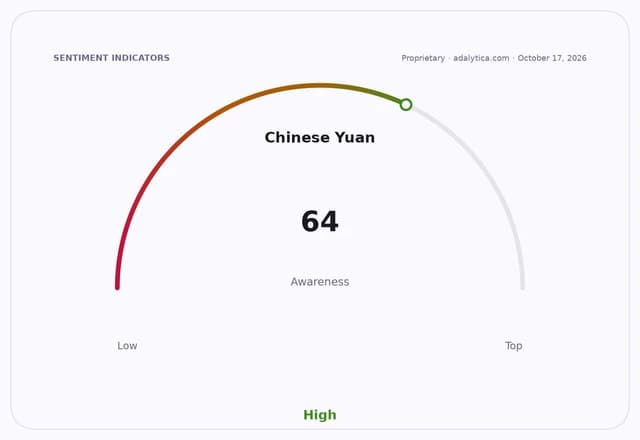
Sentiment IndicatorsⓘProprietary · adalytica.com · October 17, 2026
This is a snapshot — live sentiment, awareness and momentum for 130+ markets update continuously in the dashboard.Open AlphaPulse
The offering matters because it gives Samruk-Kazyna access to yuan financing outside mainland China at a time when borrowers across emerging markets are seeking cheaper and broader funding sources. A successful sale would reinforce the role of Hong Kong-style offshore yuan debt as an increasingly usable channel for sovereign-linked issuers, while also supporting Kazakhstan’s effort to deepen its capital markets through the AIFC and AIX framework.
For investors, the deal is a read on appetite for quasi-sovereign Central Asian risk and on demand for Chinese-currency assets beyond Chinese corporates. Bookrunners Citi, Guotai Junan Securities and Standard Chartered are positioning the transaction for a global buyer base, with Teniz Capital Investment Banking serving as local lead manager.
The issue also lands against a firmer backdrop for the yuan, with the currency trading around 6.68 per dollar and Adalytica’s Chinese yuan trade signal showing “Extreme Greed,” a setup that can help offshore yuan borrowing look more attractive for issuers. If demand holds, the transaction could encourage more regional borrowers to follow Samruk-Kazyna into the Dim Sum market.
| Entity | Gains | Losses |
|---|---|---|
| Samruk-Kazyna | ▲Cheaper diversified funding | ▼Higher refinancing exposure if demand weak |
| Dim Sum bond investors | ▲New quasi-sovereign yield | ▼Kazakhstan credit and FX risk |
| AIX/AIFC | ▲Market profile and liquidity | ▼Pressure to prove execution |
| Dollar funders | ▲Less issuer demand | ▼Lost share to yuan financing |