Kazakhstan’s finance minister is pitching a simple message to bondholders and taxpayers alike: the country’s debt load is still manageable, and borrowing from China has become a cheaper way to refinance it. That matters because in a world of elevated rates, the cost of funding is increasingly the difference between fiscal flexibility and budget strain.
Kazakhstan debt refinancing lowers borrowing costs
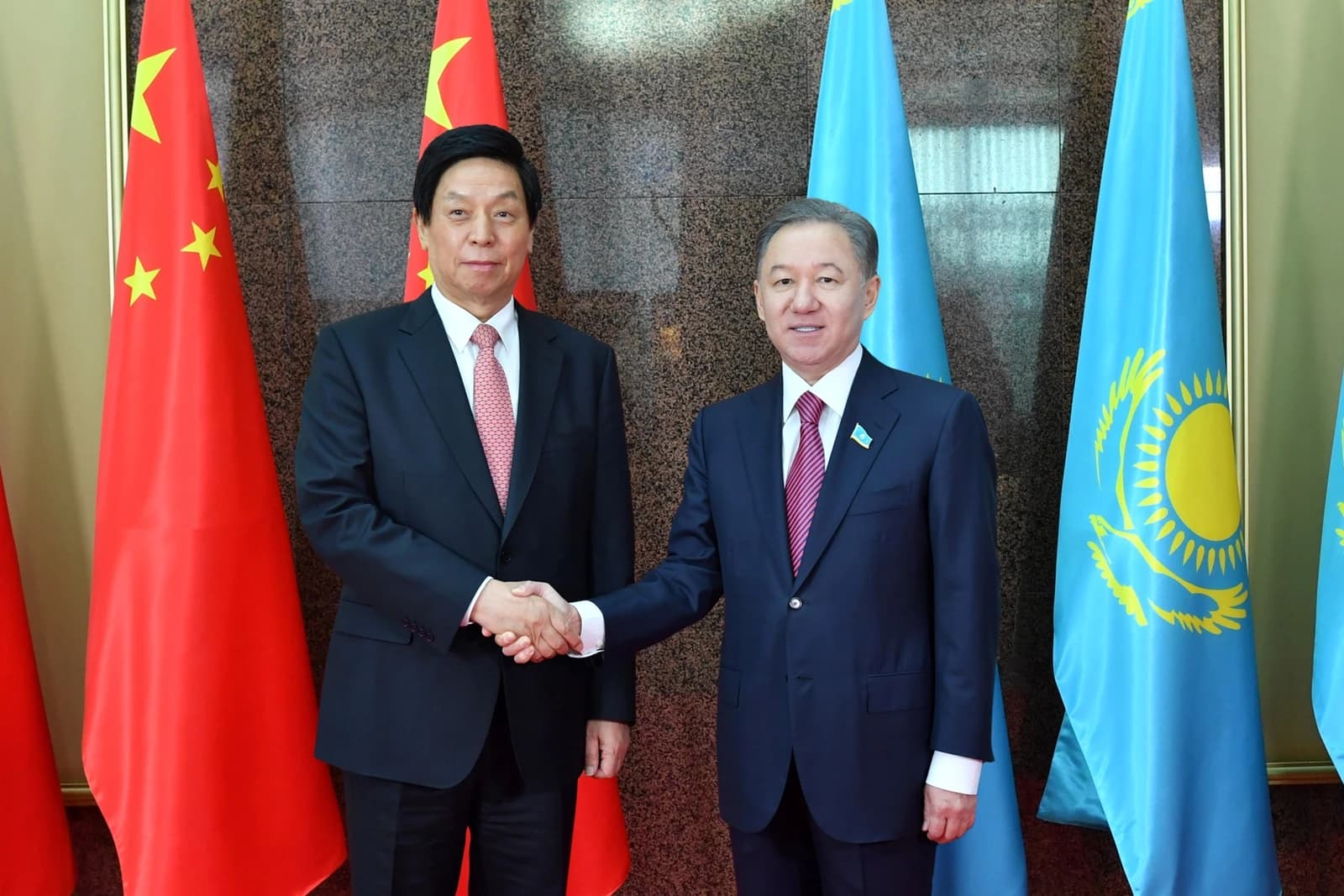
Finance Minister Madi Takiev told lawmakers the sovereign debt stood at 38.5 trillion tenge, or 20.9% of GDP, with external debt at 8.4 trillion tenge, or 4.5% of GDP. He said the government has been actively rolling over liabilities at better terms, including a $1.5 billion loan from China this year priced at 1.82%, well below what the same funding would have cost in the domestic market.
Sentiment IndicatorsⓘProprietary · adalytica.com · October 15, 2026
This is a snapshot — live sentiment, awareness and momentum for 130+ markets update continuously in the dashboard.Open AlphaPulse

The economics are straightforward. Takiev said servicing that Chinese loan costs 12.7 billion tenge a year, compared with more than 113 billion tenge if Kazakhstan had raised the money at home. That implies annual savings of about 100 billion tenge, or roughly 500 billion tenge over five years. In other words, this is not just debt management for optics — it is a meaningful fiscal lever at a time when Kazakhstan is also planning 3.5 trillion tenge for debt service in the 2027 budget.
For investors, the key point is that Kazakhstan is proving it can still fund itself on relatively favorable terms despite a larger borrowing burden. The finance ministry said the country has built out a debt management council, introduced primary dealers and linked its government bonds to international indices, all moves designed to deepen liquidity and broaden the buyer base. That should support sovereign credibility, reduce refinancing risk and keep local yields anchored relative to peers.
The story also has a geopolitical edge. Kazakhstan sits at the intersection of Chinese financing, Western capital markets and regional development needs, and that makes its funding strategy a useful signal for frontier and emerging-market investors. Adalytica’s US-China Relations Sentiment gauge shows extreme greed, but with low awareness, underscoring how quickly cross-border financing themes can move from background noise to market pricing. For a borrower like Kazakhstan, access to cheaper Chinese funding is a reminder that capital is still being allocated strategically, not just on headline risk.
The market implication is that Kazakhstan remains a selective opportunity rather than a distressed one. Its debt ratio is below the 32% legal ceiling, and the government is signaling discipline by refinancing rather than simply expanding liabilities. That does not eliminate fiscal pressure — especially with a large debt-service bill ahead — but it does suggest the sovereign is buying time at lower cost.
The bigger takeaway for investors is to watch the beneficiaries of this funding model: sovereign debt markets that can access multiple funding sources, regional banks and dealers that intermediate the flow, and infrastructure and state-linked issuers that can exploit cheaper capital. The losers are higher-cost domestic lenders and any market participants betting that rising debt automatically means rising stress. Kazakhstan is showing that debt size alone matters less than the price paid to carry it.
If you are looking for the trade, the message is to favor countries and institutions with diversified funding access, especially those that can arbitrage offshore and onshore borrowing costs. Kazakhstan just made a case that in a high-rate world, the cheapest capital is itself an asset.
| Entity | Gains | Losses |
|---|---|---|
| Kazakhstan government | ▲Lower debt-service costs | ▼Less budget room if rates rise |
| China lenders | ▲Strategic credit ties | ▼None on this deal |
| Domestic bondholders | ▲More disciplined funding profile | ▼Higher competition from cheaper offshore borrowing |
| Higher-yield borrowers | ▲None | ▼Funding costs stay elevated |