Kazakhstan’s government is projecting faster economic growth than the National Bank this year and next, underscoring how sharply oil output, the tenge and consumer demand can pull the country’s outlook in different directions.
Kazakhstan Govt Sees 5.3% GDP Growth vs 3.5%
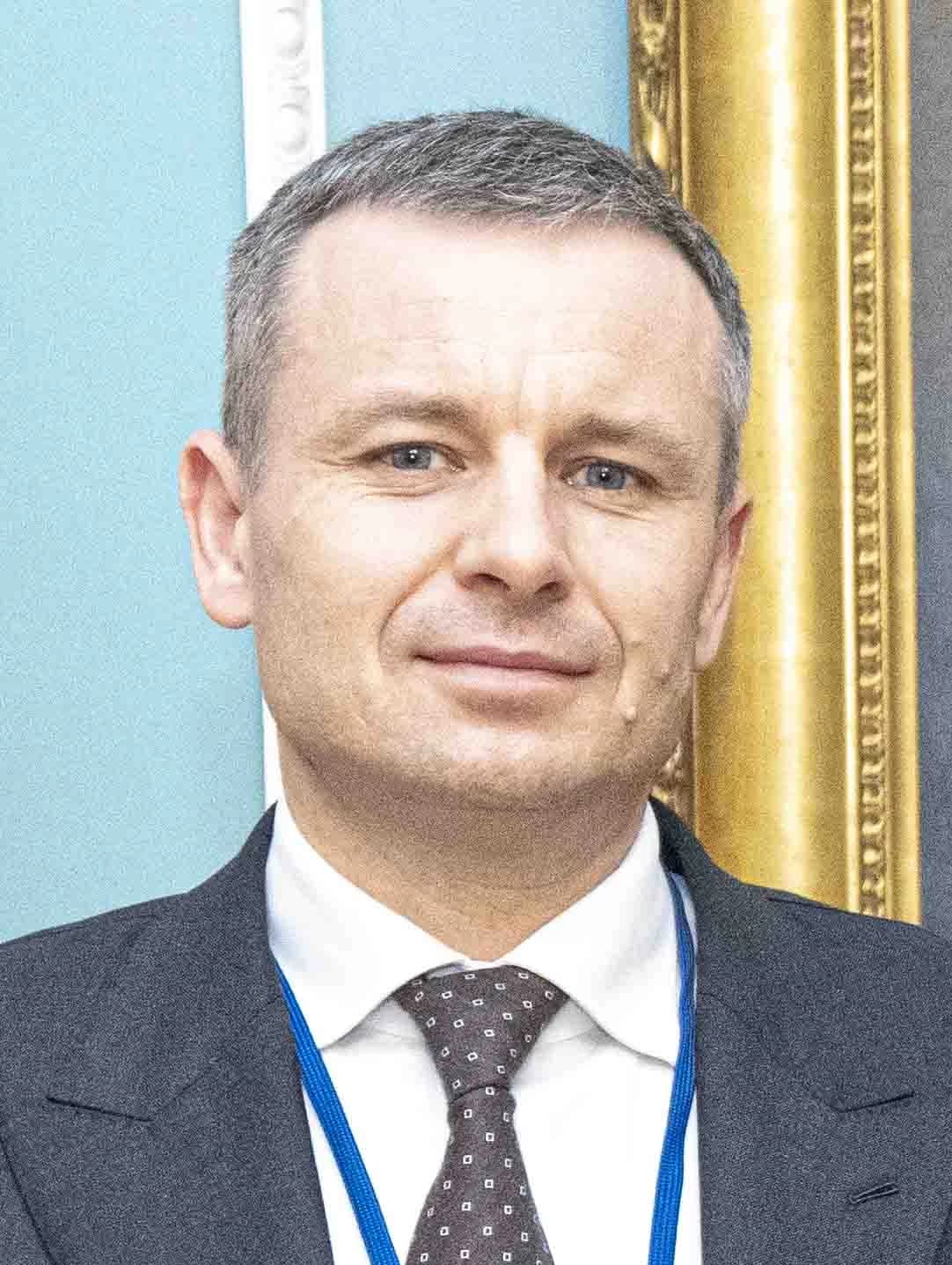
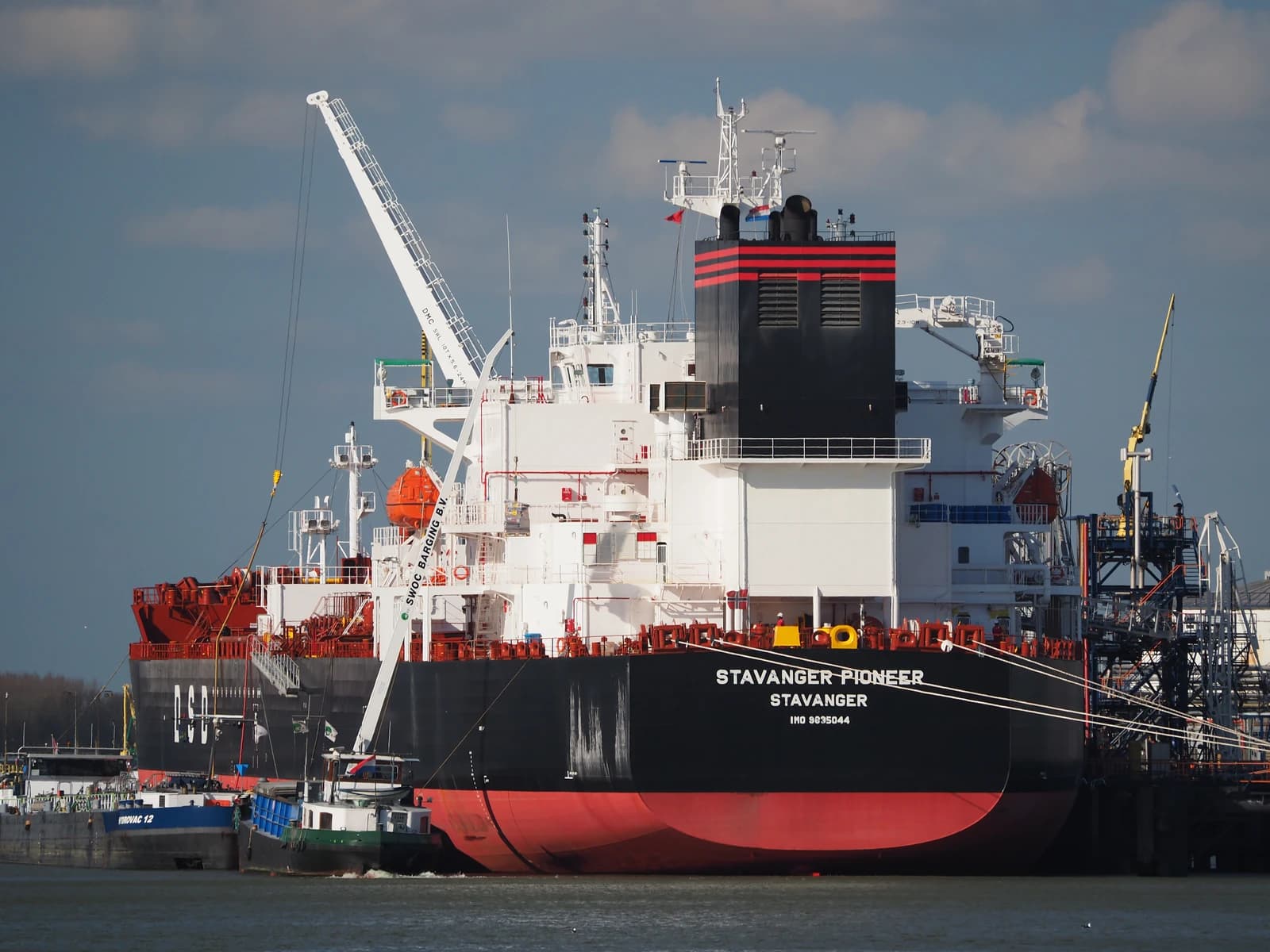
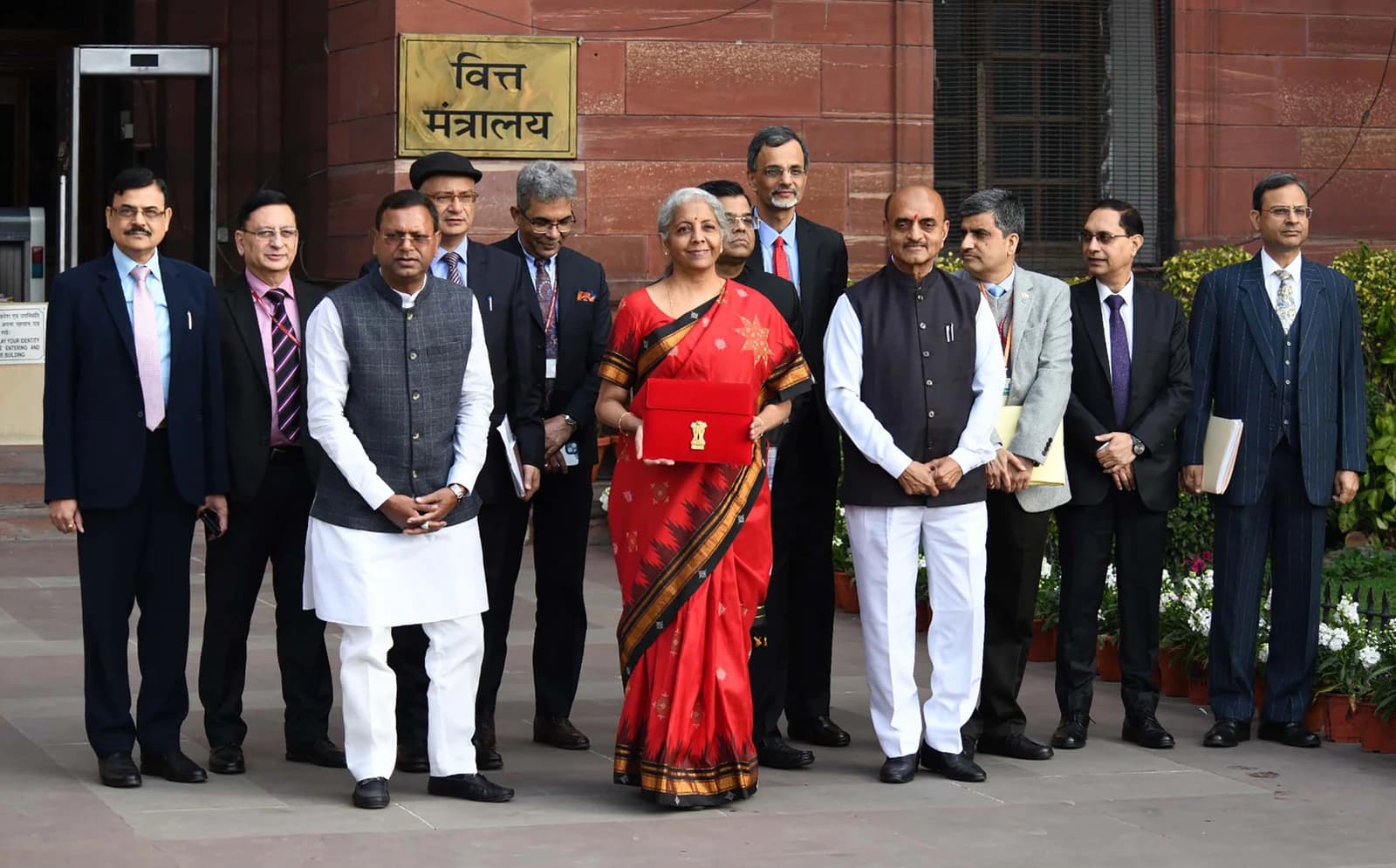
Deputy Prime Minister and Economy Minister Serik Zhumangarin said the cabinet expects gross domestic product to expand 5.3%, compared with the central bank’s 3.5% forecast, after disruptions at Tengiz and the Caspian Pipeline Consortium cut around 6 million tons of oil production earlier in the year, while higher crude prices in the Gulf lifted the outlook.
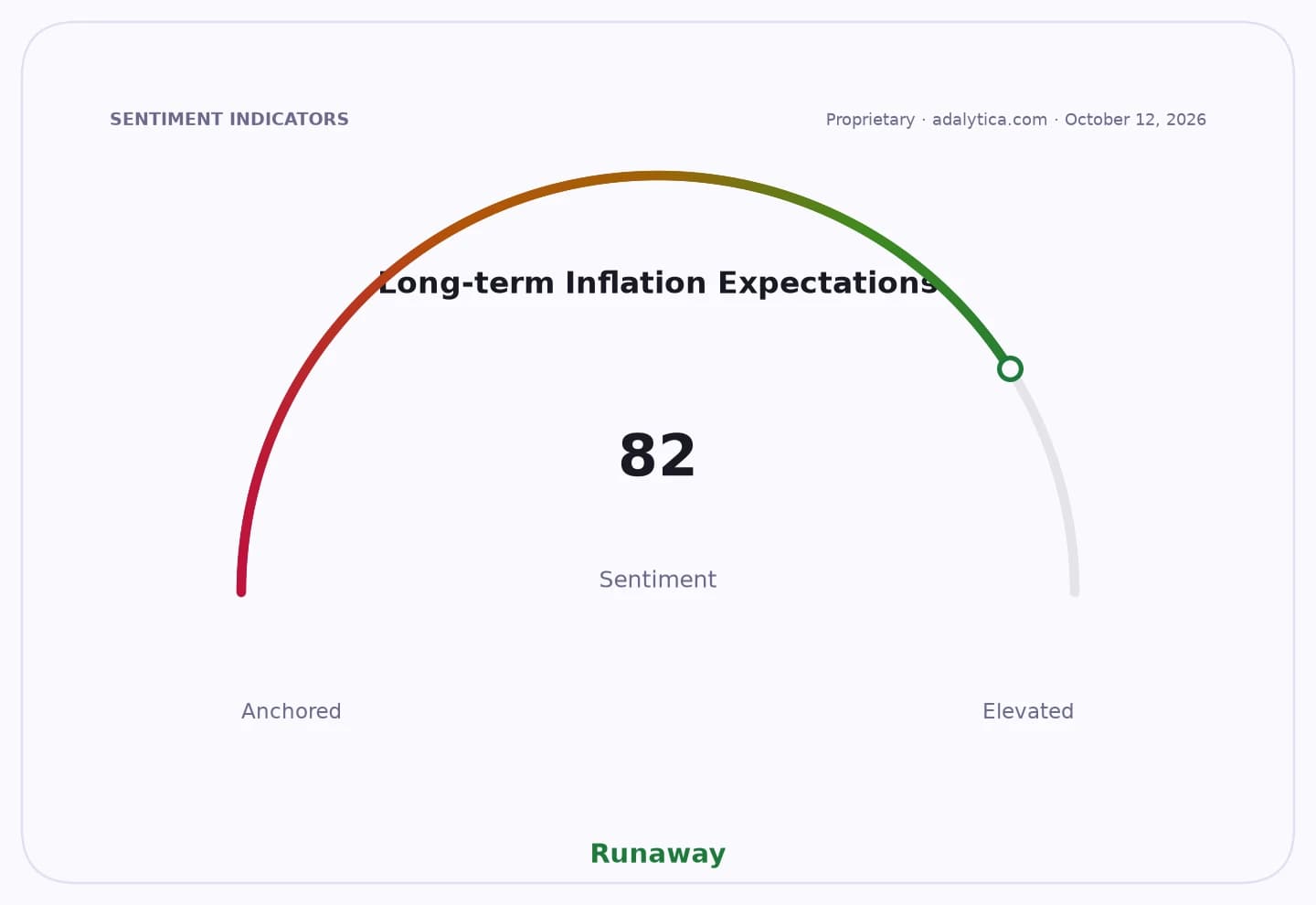
Sentiment IndicatorsⓘProprietary · adalytica.com · October 14, 2026
This is a snapshot — live sentiment, awareness and momentum for 130+ markets update continuously in the dashboard.Open AlphaPulse
The gap matters because Kazakhstan’s economy is still heavily exposed to oil, exchange-rate moves and import demand. When production is interrupted, export revenue, budget receipts and activity across transport and services weaken. When crude prices rise, the fiscal picture improves quickly. That makes even small changes in output assumptions material for the budget, the current account and investor expectations.
Zhumangarin argued the government’s forecast is meant to move with fast-changing conditions rather than sit conservatively below the eventual outcome. He said banks and multilateral lenders usually publish cautious estimates that can be revised upward later, while ministries are held accountable for their numbers. The cabinet said it estimated around 5.4% growth last year and is still broadly tracking that pace despite this year’s shocks.
The divergence also reflects domestic headwinds that are easy to underestimate in aggregate numbers. A stronger tenge has reduced value-added tax receipts on imports and weighed on exporters’ revenues, while a deliberate cooling of consumer lending has softened demand after households accumulated heavy debt. That combination can slow nominal activity even when headline growth remains solid.
For investors, the forecast gap is a window into policy trade-offs. A more optimistic government view implies firmer assumptions for tax revenue, spending and National Fund financing, but also raises the risk of disappointment if oil prices or production volumes turn lower than expected. A more conservative central bank view points to a more restrained macro backdrop and possibly less room for fiscal easing.
The debate over 66 projects tied to 1 trillion tenge of National Fund financing adds another layer of scrutiny. Zhumangarin said each case needs to be reviewed individually, suggesting the government is still trying to defend the quality of capital allocation as it leans on the fund to support growth.
For markets, the key question is whether the 5.3% target proves achievable without a further lift in oil output or a weaker tenge. If Kazakhstan can keep growth near that level, it supports fiscal stability and local sentiment. If not, the central bank’s lower forecast may look closer to reality, with implications for the currency, sovereign risk and state spending plans.
| Entity | Gains | Losses |
|---|---|---|
| Kazakhstan government | ▲Higher growth narrative | ▼Forecast credibility if activity slows |
| National Bank | ▲Conservative macro stance | ▼Pressure if growth outperforms |
| Oil exporters | ▲Higher crude prices | ▼Lost output from Tengiz and CPC disruptions |
| Consumers | ▲Easier inflation if lending cools | ▼Slower credit-driven demand |