Russia’s 2027 budget shifts the fiscal burden away from oil and gas and onto domestic taxes, while promising pension increases and tighter spending in a bid to slow inflation and steady public finances.
Russia 2027 budget shifts burden to domestic taxes
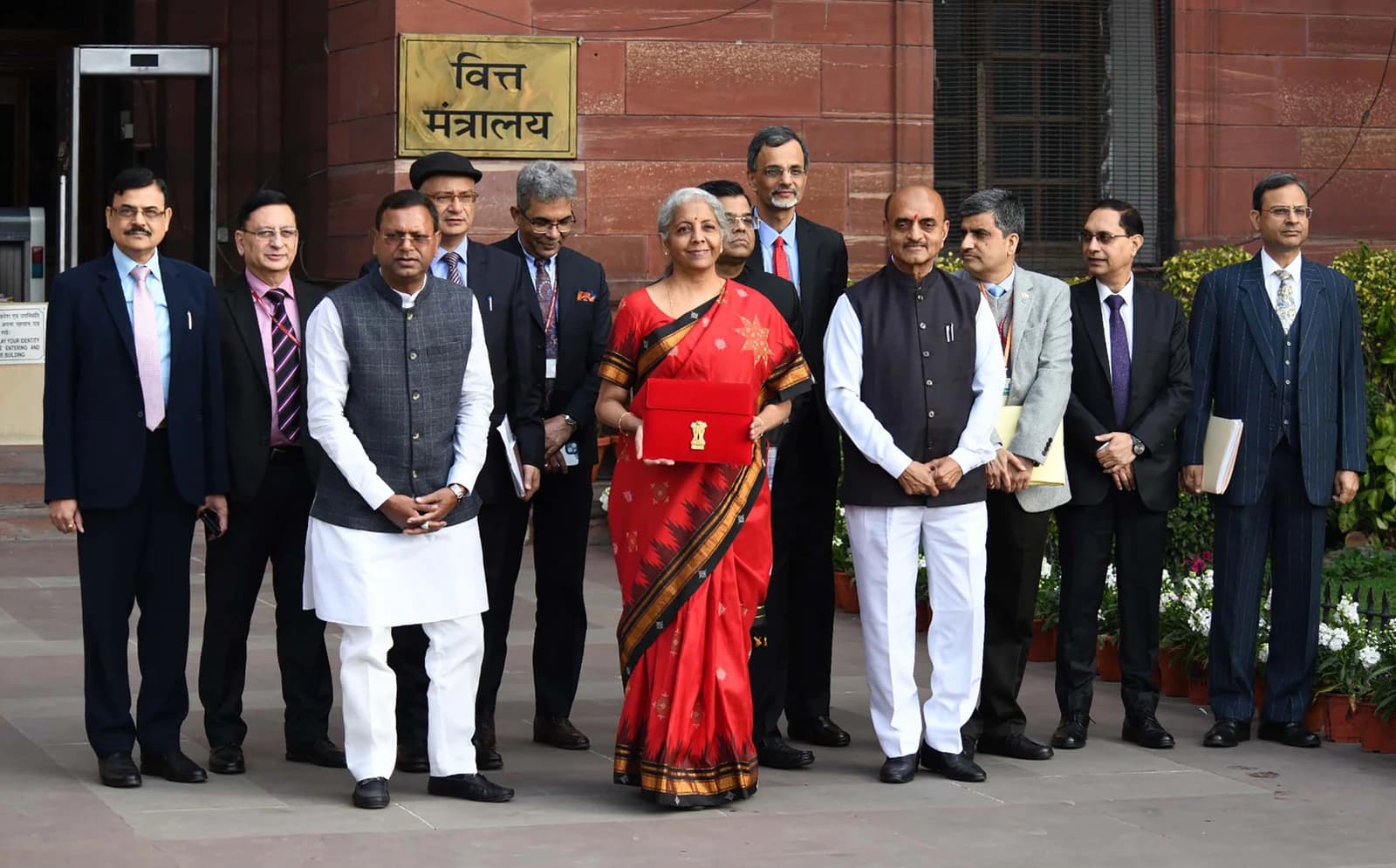
The government has submitted a three-year budget plan to the State Duma that forecasts spending of 48.7 trillion rubles next year against revenue of 43.3 trillion rubles, leaving a deficit of 5.4 trillion rubles. Officials plan to finance the gap largely through borrowing, with gross issuance set at 6.1 trillion rubles, underscoring how Moscow is leaning more heavily on the local market as sanctions, logistics constraints and conservative oil assumptions weigh on energy income.
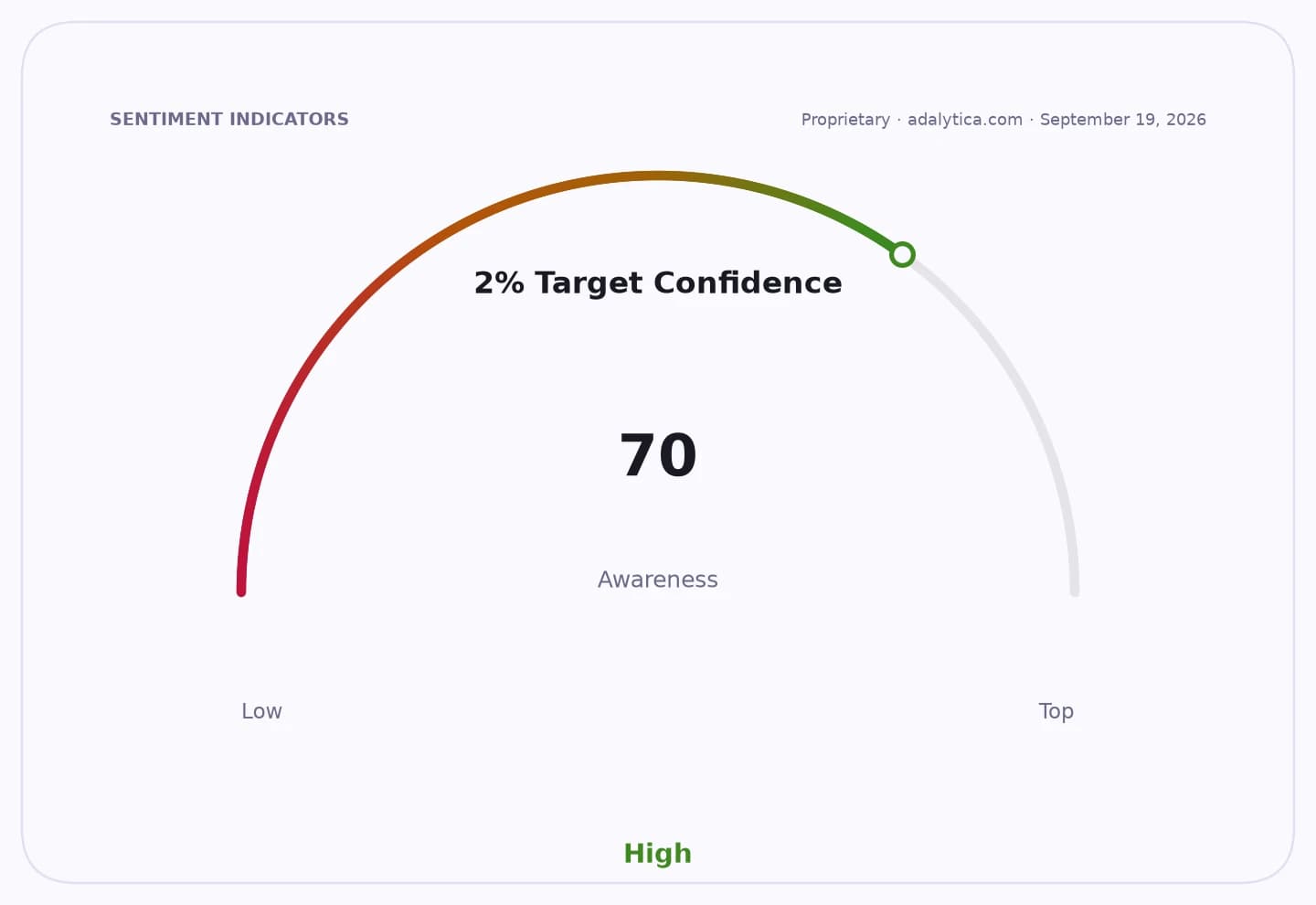
Sentiment IndicatorsⓘProprietary · adalytica.com · October 12, 2026
This is a snapshot — live sentiment, awareness and momentum for 130+ markets update continuously in the dashboard.Open AlphaPulse
That matters because the budget is designed less as a growth engine than a stabilization tool. Economists cited in the briefing said the plan points to just 1.4% GDP growth and 0.2% investment growth, while real incomes are seen rising 1.4% and retail sales 2.6%, mostly on a lower savings rate. The fiscal stance is aimed at containing spending to support disinflation, even as Russia faces still-elevated price pressures and a tighter financing environment.
The clearest sign of the pivot is the shrinking role of oil and gas. Oil-and-gas revenue is projected to fall to 2.7% of GDP from 4% as the budget leans on non-energy tax intake, including a more unified personal income tax system, higher dividend tax on special C-type accounts, a 15% tax on mutual funds, a windfall levy on mining and metals, higher excise duties, VAT on cross-border e-commerce and a bigger vehicle scrappage fee.
For investors, the mix points to more pressure on consumer and industrial margins at home and a narrower buffer for growth stocks tied to domestic demand. At the same time, the government is trying to shield households politically with pension indexation of 6.8% from February and another 3.3% from April, lifting the average old-age pension toward 30,000 rubles, while also raising the minimum wage and subsistence level by 6.8%.
Still, the spending restraint is not evenly distributed. Funding for hospital construction and education is set to be cut, along with parts of the “Long and Active Life” national project and the “Sanitary Shield” program, while road, transport and resettlement projects continue. That leaves the 2027 budget as a trade-off between inflation control, fiscal sustainability and social support — and a test of how long Russia can reduce its dependence on energy income without slowing the economy further.
| Entity | Gains | Losses |
|---|---|---|
| Russian government | ▲Lower oil dependence | ▼Higher tax burden management |
| Pensioners | ▲Higher indexed payments | ▼Limited fiscal room elsewhere |
| Domestic borrowers | ▲More funding demand | ▼Higher sovereign supply risk |
| Consumers and retailers | ▲Wage and pension support | ▼Higher excise and VAT costs |