Bolivia will build its 2027 state budget around gasoline priced at Bs 6.96 a liter, a clear sign the government is preparing for the end of fuel subsidies that it has pledged to phase out under its deal with the International Monetary Fund.
Bolivia 2027 budget uses fixed gasoline price
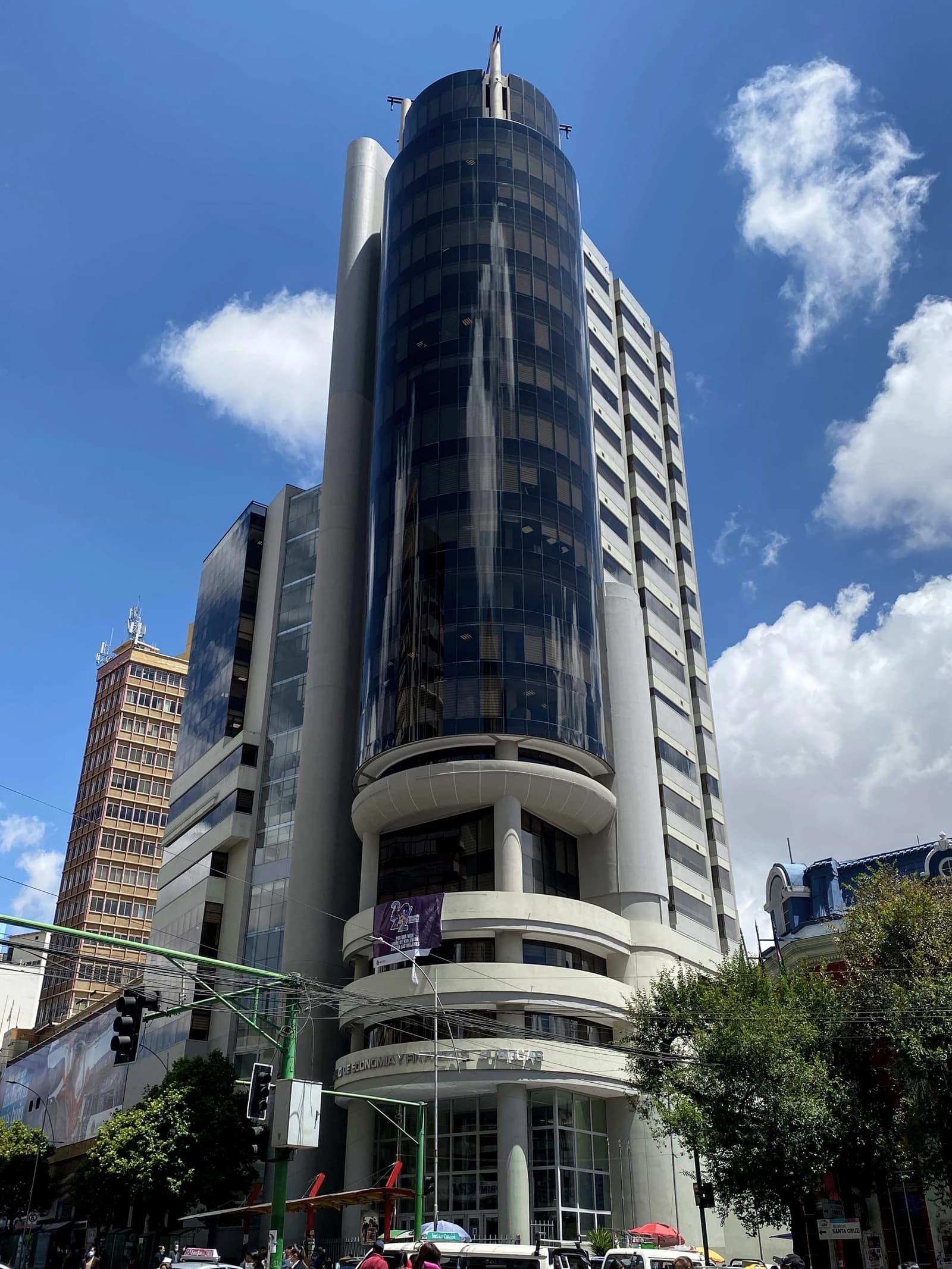
The finance ministry’s decision matters because fuel pricing sits at the center of Bolivia’s fiscal accounts, inflation path and social stability. A budget based on the current administered price suggests officials are mapping spending and revenue assumptions ahead of the subsidy removal they have said should take effect in 2027, after keeping domestic prices fixed through December 2026.
Sentiment IndicatorsⓘProprietary · adalytica.com · October 7, 2026
This is a snapshot — live sentiment, awareness and momentum for 130+ markets update continuously in the dashboard.Open AlphaPulse
Vice Finance Minister Óscar Navarro said the draft budget is in its final phase and will be sent to the legislative assembly before Oct. 31. He said budgets are prepared under the rules in force at the time of drafting, adding that the government will use the existing gasoline price of Bs 6.96.
That puts the 2027 budget at the intersection of two pressures: a need to preserve continuity in fuel supply and a commitment to unwind a costly subsidy regime. The government has recently tried to calm public concern, saying the subsidy remains in place for now and that restoring regular fuel availability remains the priority.
For investors, the key issue is what happens to inflation, sovereign finances and consumer demand when price controls eventually give way. A move toward market-based fuel pricing would likely improve the fiscal arithmetic over time, but it also raises the risk of a one-off jump in transport and input costs, which could feed through to broader prices and complicate policy.
The backdrop is also relevant for energy markets. Oil prices have been volatile, and the recent retreat in benchmark crude and energy-sector shares has not changed the fact that subsidy reform in an import-dependent economy can quickly reshape the balance between fiscal relief and social pressure.
The next catalyst is the budget submission to Congress before month-end, which should show how far officials are willing to go in acknowledging higher fuel costs, and whether the government can turn the IMF-linked commitment into law without triggering fresh political backlash.
| Entity | Gains | Losses |
|---|---|---|
| Bolivia Treasury | ▲clearer fiscal planning | ▼subsidy burden |
| Government finances | ▲potential deficit relief | ▼higher near-term costs |
| Consumers | ▲short-term price stability | ▼future fuel inflation |
| Energy importers/suppliers | ▲more predictable rules | ▼policy uncertainty ends |