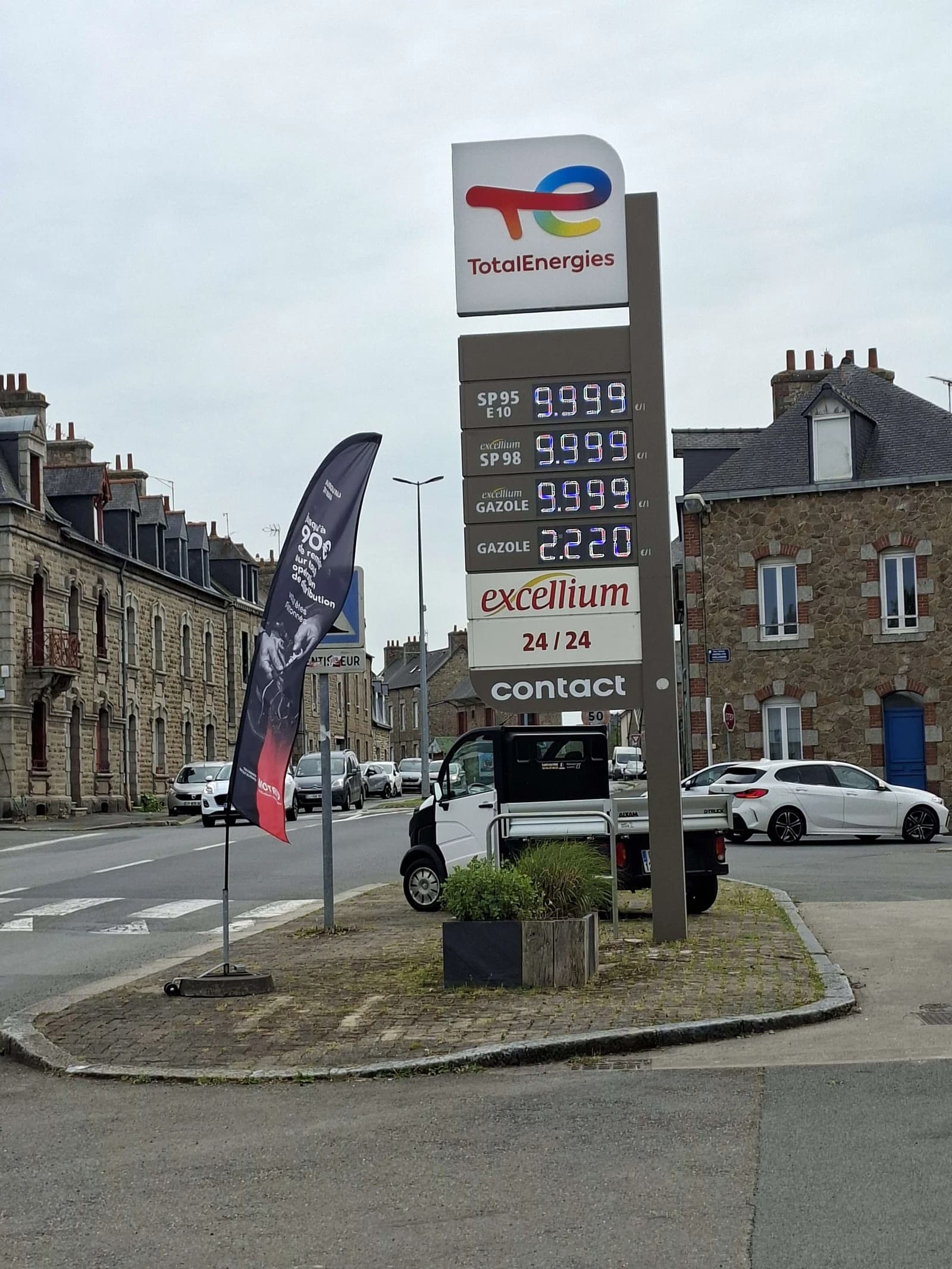
Fuel prices in Bulgaria could rise by as much as 20 euro cents per liter when the European Union’s new carbon trading regime for transport and buildings begins in 2028, the country’s oil and gas association said, setting up a fresh inflation risk for drivers, businesses and policymakers across the bloc.
Bulgaria fuel prices may rise on EU ETS2 in 2028
The warning matters because fuel is a direct input into transport, logistics and food prices, so even a relatively small increase can ripple through the wider economy. It also underscores how Europe’s climate policy is moving from power generation into households and road transport, where the political and cost burden is far more visible.
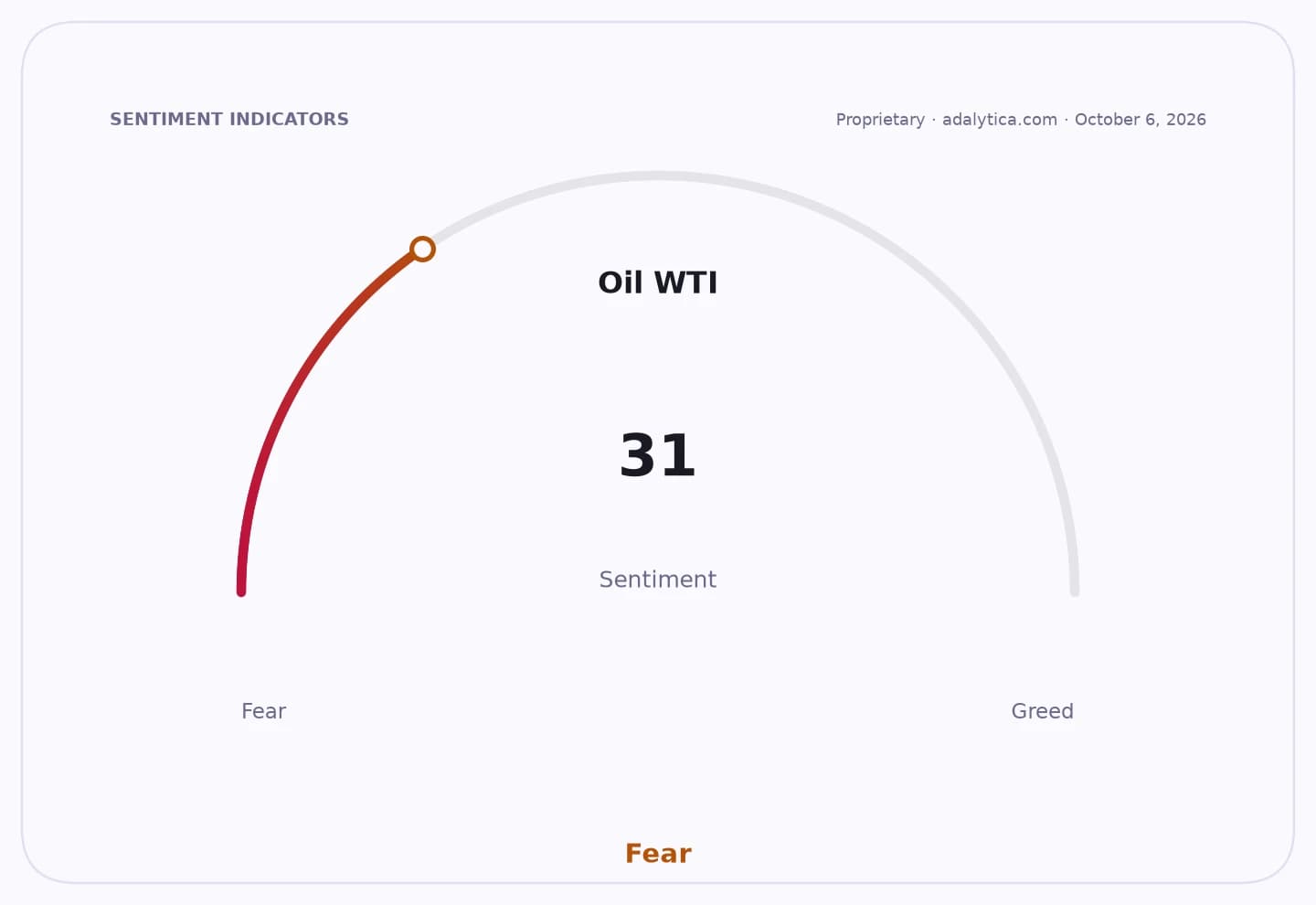
Sentiment IndicatorsⓘProprietary · adalytica.com · October 6, 2026
This is a snapshot — live sentiment, awareness and momentum for 130+ markets update continuously in the dashboard.Open AlphaPulse
Svetoslav Benchov, head of the Bulgarian Petroleum and Gas Association, said the EU’s ETS2 scheme is expected to start being applied from Jan. 1, 2028 and could add 15-20 euro cents per liter to gasoline and diesel. He tied the increase to the cost of emissions allowances, saying fuel suppliers rather than end users will be directly responsible for surrendering carbon quotas.
The European Commission says ETS2 is a separate emissions-trading system covering buildings, road transport and additional sectors, with allowance auctions due to begin in 2027 before the system becomes fully operational in 2028. For consumers, that means the carbon cost could be built into pump prices over time rather than appearing as a one-off tax.
For investors, the bigger issue is not just higher retail fuel prices but the knock-on effect on inflation expectations, transport margins and demand for fuel-intensive sectors. Higher pump costs can also squeeze household spending power, complicating the policy backdrop for central banks already watching energy-sensitive inflation closely.
Benchov said oil groups from Bulgaria, Romania, Greece, Poland, Czech Republic and Slovakia plan to press the European Commission to revisit parts of the green policy package. Their push highlights mounting industry resistance as the EU tries to balance decarbonization goals with fears of consumer backlash and competitiveness losses.
Energy markets have already shown how vulnerable fuel prices are to policy shocks and supply disruptions, with crude hovering around $96.7 a barrel in the latest outlook and diesel markets remaining sensitive to geopolitical tensions. The next catalyst is likely to be the 2027 allowance auction setup, where the price of carbon permits will help determine how large the pump-price hit becomes by 2028.
| Entity | Gains | Losses |
|---|---|---|
| EU carbon market operators | ▲allowance demand | ▼consumer backlash |
| Fuel suppliers | ▲clearer rules | ▼compliance costs |
| Drivers and logistics firms | ▲none | ▼higher pump prices |
| Oil industry lobby groups | ▲political leverage | ▼green-policy momentum |