Europe’s surging gas bill is pushing utilities back toward coal, with benchmark gas prices in the bloc climbing to their highest level in three years and making coal-fired generation cheaper than gas for the first time in years.
Europe gas prices push utilities back to coal
That shift matters because it directly changes how electricity is produced across Europe’s power market and how much consumers, factories and governments will pay for energy through the winter. It also shows how geopolitical shocks are still feeding through the continent’s economy long after the initial crisis, with imported liquefied natural gas remaining expensive and supply risk keeping traders cautious.
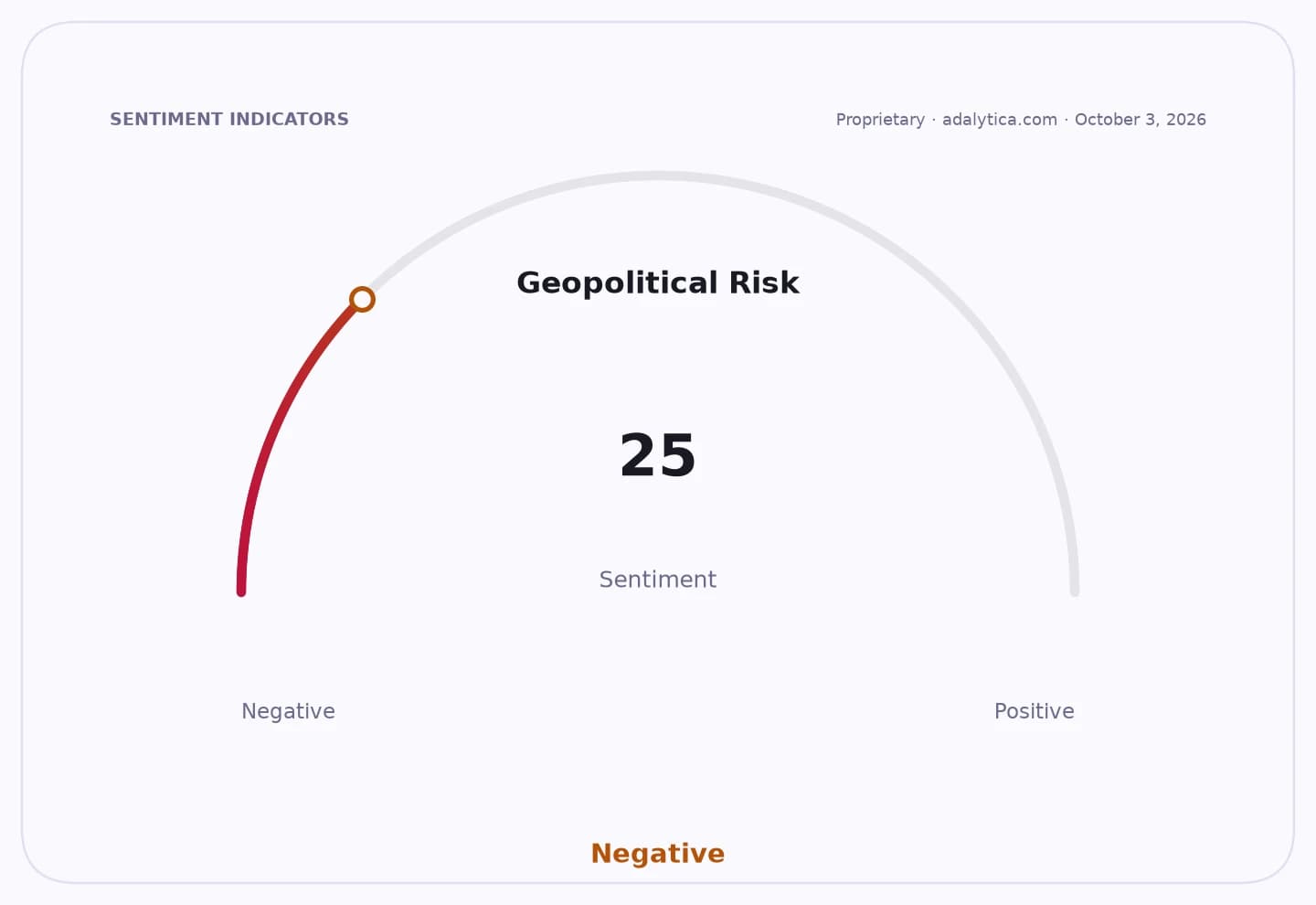
Sentiment IndicatorsⓘProprietary · adalytica.com · October 5, 2026
This is a snapshot — live sentiment, awareness and momentum for 130+ markets update continuously in the dashboard.Open AlphaPulse
European gas prices recently topped €80 a megawatt hour, or about $90.98, a level that has reopened coal plants that were supposed to be fading from the grid. Reuters reported that coal is expected to stay cheaper than gas for power generation through next year and possibly until March 2028, according to Veyt analyst Marta Wroniszewska, underscoring how persistent the price gap may be.
For utilities, that is a short-term margin relief. For the broader economy, it is a reminder that Europe’s energy transition is running up against affordability and security constraints, with governments forced to balance emissions goals against the need to keep power costs manageable and supply reliable.
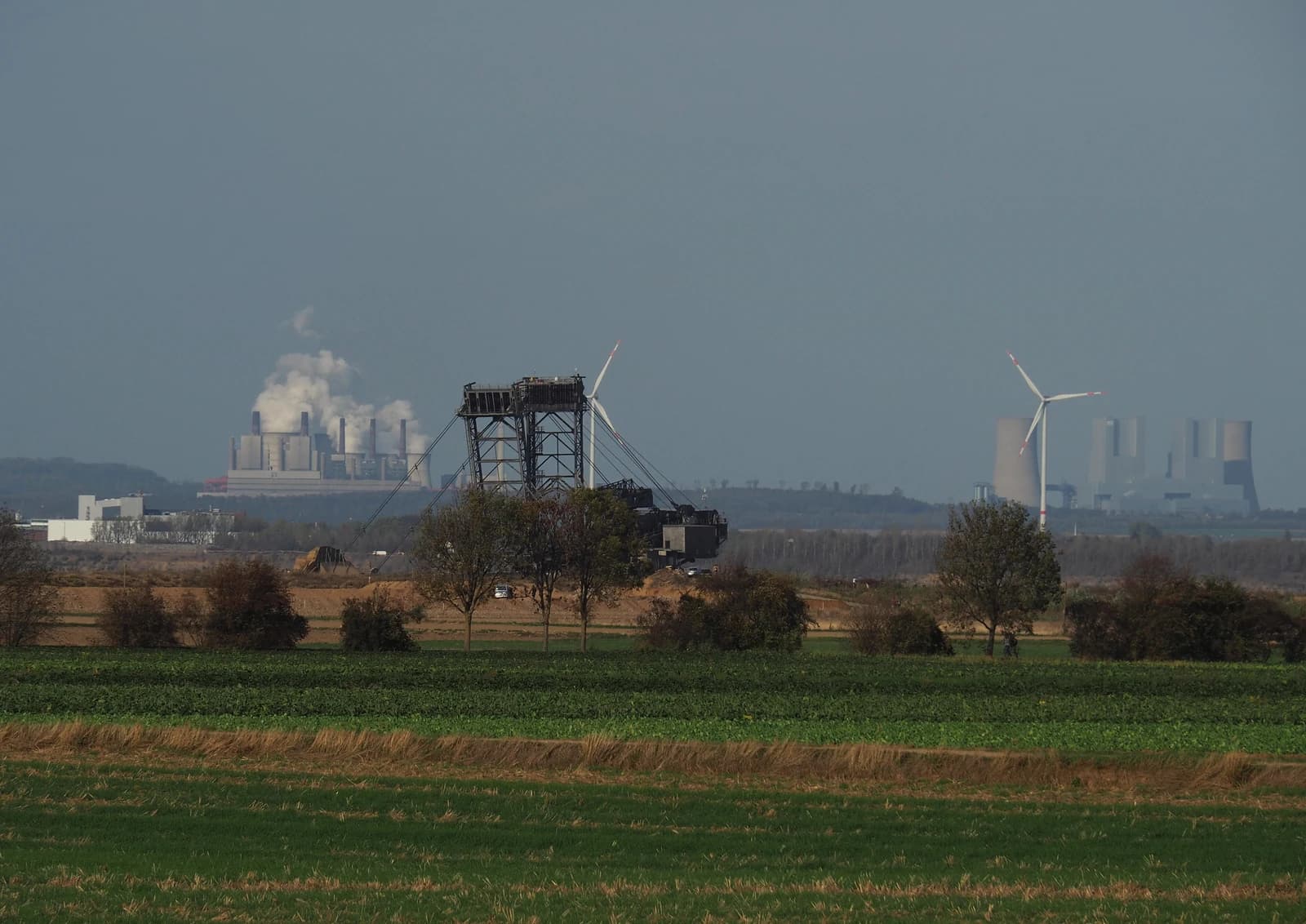
Germany, Europe’s biggest economy, is among the countries leaning back on coal as gas prices bite. But the rebound has structural limits: coal’s share of EU electricity has already fallen to 9.2% from more than a third in 1990, so the region has far less coal capacity to ramp up than it once did.
That means the gains are likely concentrated in the remaining operators and power generators with coal assets, while gas-heavy utilities and energy-intensive industries face higher input costs. The market also has to contend with the possibility that elevated gas prices persist, keeping pressure on European equities tied to manufacturing, chemicals and consumer demand.
The longer-term tradeoff is familiar: coal is cheaper and more available in the near term, but it brings higher emissions and regulatory risk. Globally, coal remains the largest source of power generation, and the latest European turn back to the fuel is unfolding even as renewable buildouts continue.
For investors, the key question is whether high gas prices prove cyclical or structural. If supply constraints and geopolitical risk keep LNG expensive, Europe could see a deeper, longer-lived rotation toward coal-fired generation, with implications for utilities, emissions markets and energy-intensive sectors into 2027 and beyond.
| Entity | Gains | Losses |
|---|---|---|
| Coal-fired utilities | ▲Higher dispatch economics | ▼Emissions and policy risk |
| Gas-fired utilities | ▲— | ▼Lower power market share |
| European industrial users | ▲— | ▼Higher electricity costs |
| Renewable developers | ▲Policy support over time | ▼Slower near-term fuel switching |