The European Union is preparing to give oil and gas importers an extra year before methane rules kick in, a move that underscores how energy security is once again outranking climate ambition as Europe heads into a difficult winter.
EU Delays Methane Rules for Oil and Gas Imports
That matters because methane regulation is one of Brussels’ most concrete tools for cutting the greenhouse gases tied to fossil-fuel supply chains. Delaying the start date to 2028 would give producers and traders more time to adapt, but it would also slow the EU’s push to force cleaner reporting and better leak control across global oil and gas markets. For investors, the shift reduces near-term compliance pressure on suppliers that sell into Europe and removes one regulatory overhang for the sector at a time when prices and geopolitics are already unsettled.
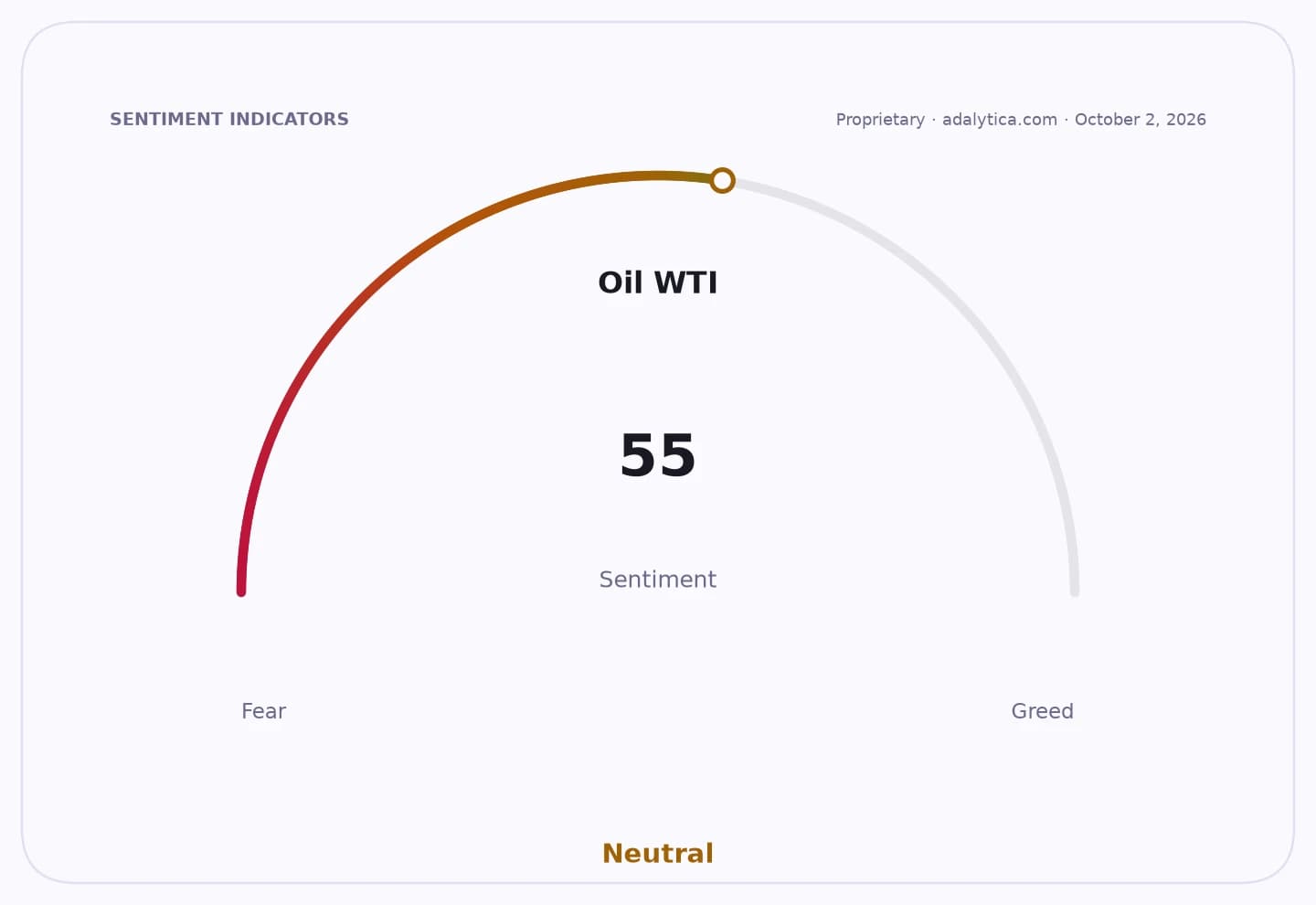
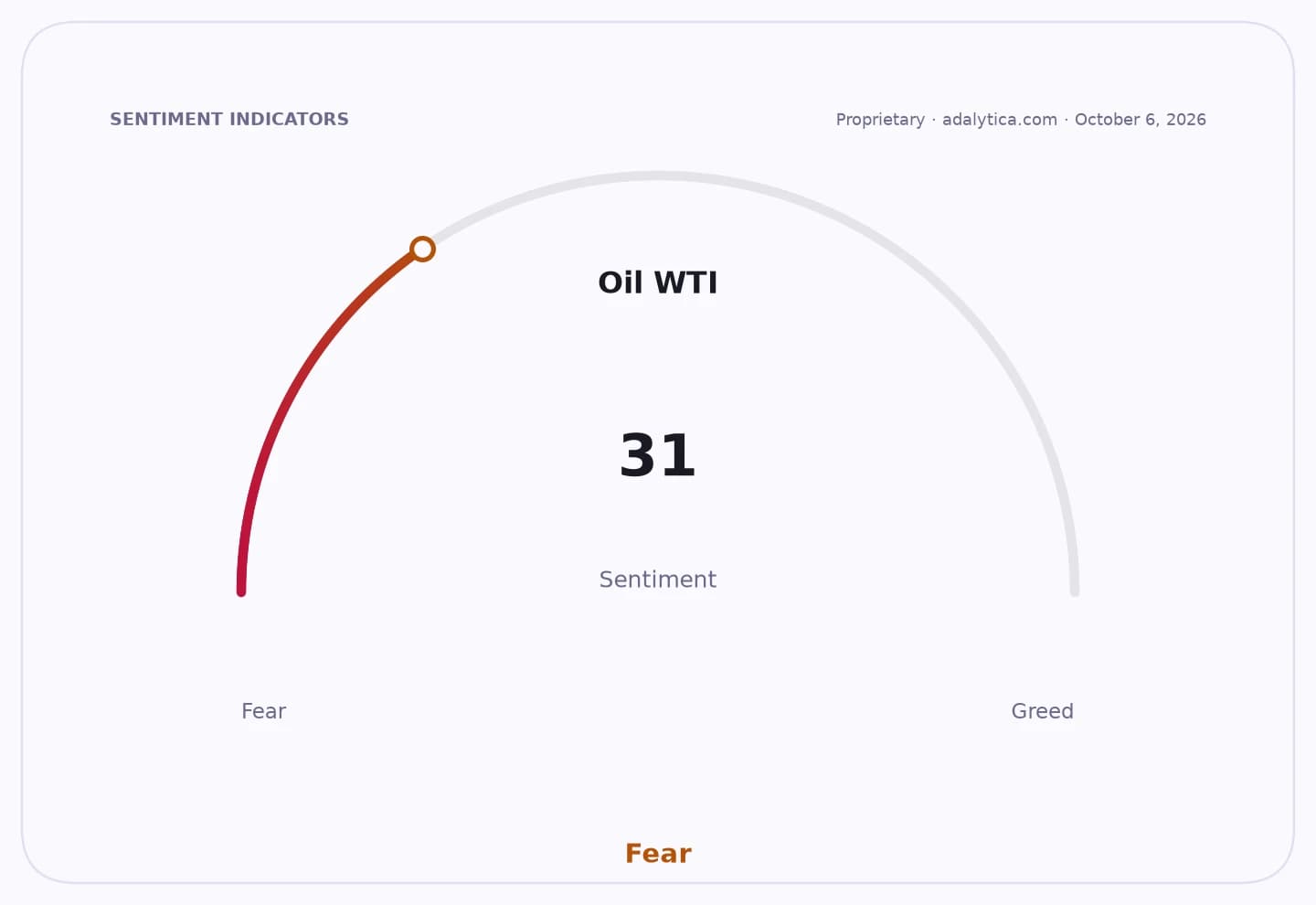
Sentiment IndicatorsⓘProprietary · adalytica.com · October 6, 2026
This is a snapshot — live sentiment, awareness and momentum for 130+ markets update continuously in the dashboard.Open AlphaPulse
The Commission said it is hearing concerns from member states and industry about “specific and real difficulties” in launching the import regime next year. Brussels is still committed to the rules, officials said, but the broader backdrop is a volatile energy market and the prospect of a “very difficult winter” for prices. In other words, the EU is trying to protect supply and affordability first, then circle back to climate enforcement later.
The rules, originally due to take effect on Jan. 1, 2027, would require importers of crude oil, natural gas and coal to prove that their supplies come from production covered by comparable methane monitoring, reporting and verification standards. That is not a minor paperwork tweak. It could have pushed exporters in the Middle East, the U.S. and elsewhere to tighten emissions tracking and invest in measurement systems if they wanted to keep access to Europe’s market.
For energy companies, especially large integrated producers and exporters, the delay is broadly helpful. It buys time to spread compliance costs, negotiate with buyers and avoid a sudden exclusion risk. For European utilities and importers, it lowers the odds that tighter methane rules add to winter supply frictions or raise costs just as the region is already sensitive to fuel inflation.
The market signal is more nuanced. Oil and gas prices still respond first to supply-demand balances, OPEC+ decisions and geopolitics, not to paperwork in Brussels. But over years, rules like these can reshape where capital flows, which producers keep the lowest-cost access to Europe and how quickly the industry is forced to modernize. A one-year delay does not end that story; it just extends the runway.
For long-term investors, the key takeaway is that policy risk around fossil fuels is still real, but Europe is showing it will slow-walk enforcement when energy affordability is under strain. That usually favors the better-capitalized producers and exporters that can absorb compliance costs over time. The methane rules remain a structural issue worth watching, but for now the immediate winner is the supply side, not the regulators.
| Entity | Gains | Losses |
|---|---|---|
| Oil and gas exporters | ▲More time to comply | ▼Less near-term regulatory pressure |
| EU importers and utilities | ▲Lower winter supply risk | ▼Delayed emissions standards |
| European Commission | ▲Energy-security flexibility | ▼Climate-policy momentum |
| Clean-energy advocates | ▲Longer-term methane cuts remain intact | ▼Slower implementation |