Inflation in North Rhine-Westphalia climbed to 2.9% in August, its highest level since January 2024, and that matters because the latest burst is being driven by energy, not a healthy demand recovery.
North Rhine-Westphalia Inflation Rises to 2.9%

For investors, that is the key distinction. A fuel-led inflation spike squeezes consumers, keeps pressure on real incomes and complicates the European Central Bank’s next move, even as the region’s core price pressures remain comparatively contained. When gasoline, diesel and heating oil are doing the heavy lifting, the message to markets is not overheating growth — it is a renewed tax on households and businesses that can slow discretionary spending.

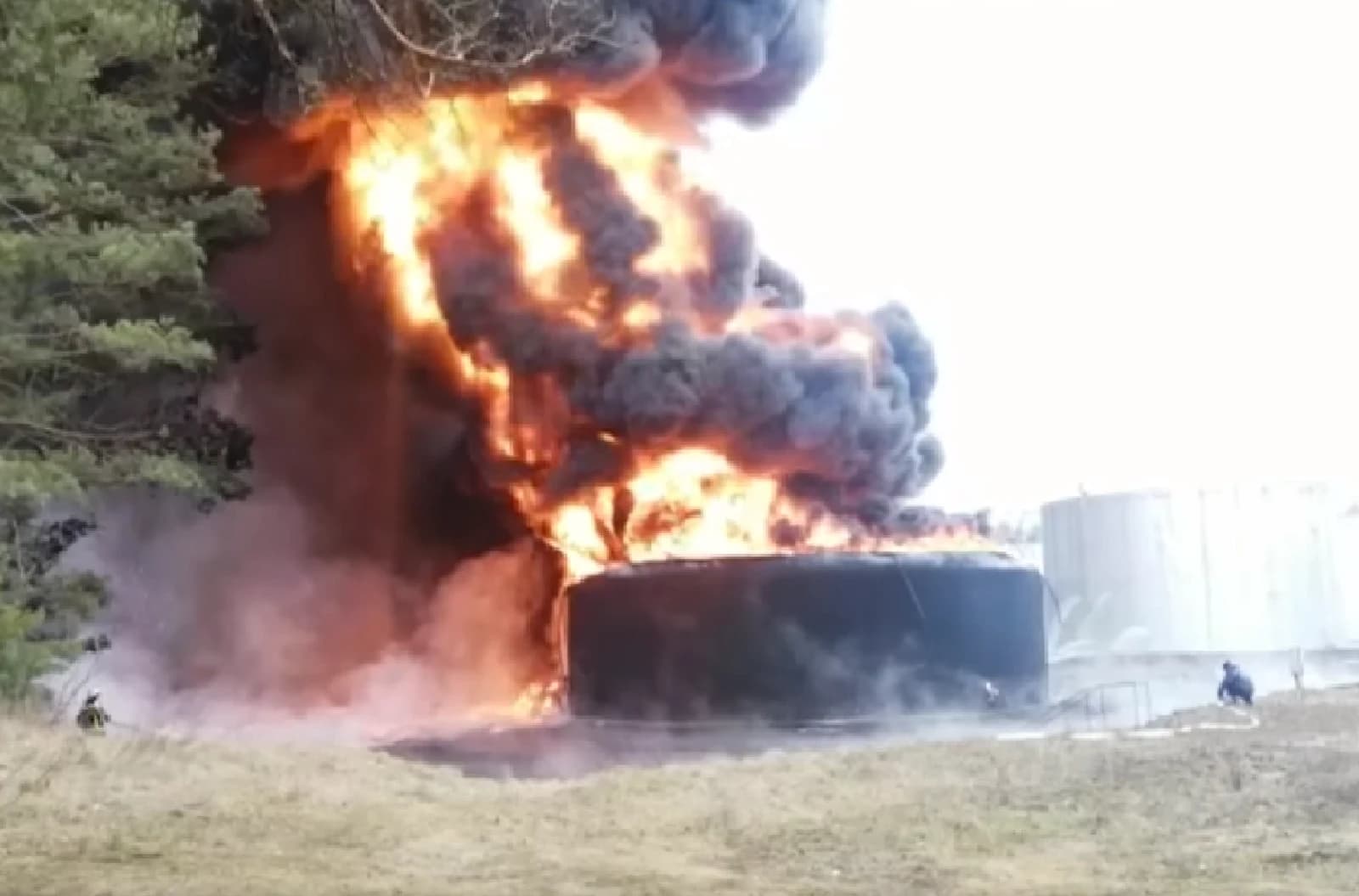
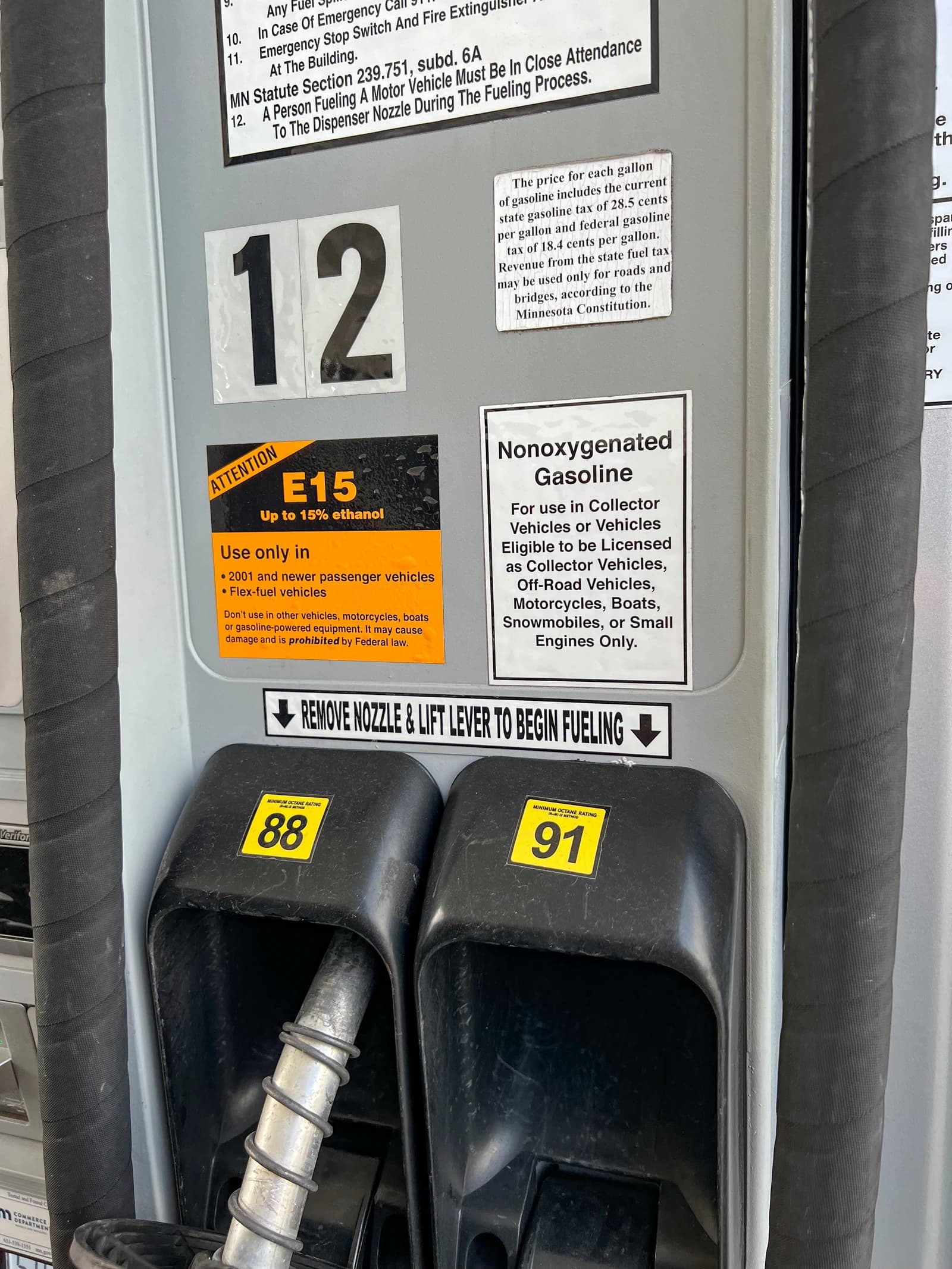
The state statistics office IT.NRW said consumer prices rose 0.2% from July and 2.9% from a year earlier, matching Germany’s national reading. Fuel was the main culprit: overall fuel prices were 26.5% above a year earlier, with diesel up 35.6% and gasoline 24%. Heating oil was 33.6% more expensive. The monthly jump followed the end of the temporary fuel rebate in June, with fuel prices rising 16.6% in July and another 2.6% in August.
That mix matters because it shows how quickly imported energy shocks can filter through to the real economy. IT.NRW linked the move to global tensions, including the standoff with Iran and disruptions at the Strait of Hormuz, as well as persistent low water on the Rhine that has lifted freight rates and pushed up transport costs, especially in western Germany and the Cologne area. The ADAC has already warned that 2026 could become the most expensive fuel year on record.
At the same time, the inflation picture is not one-way. Electricity prices fell 5.6% in August and gas 1.2%, helped by longer-term supply contracts that delay wholesale pass-through. Food prices were almost flat year on year at 0.1%, with butter, milk and fruit cheaper than a year earlier, even as vegetables and eggs became more expensive. Excluding heating oil and motor fuel, inflation would have been just 1.9%.
That nuance is important for the ECB, which meets on Sept. 10. Board member Isabel Schnabel has argued that further tightening may be needed because inflation is unlikely to return to target quickly at current rates. Others, including Silke Tober of the IMK, say there is no case for immediate action because the spike is almost entirely energy-driven and monetary policy cannot fix a supply shock.
For markets, this is a warning that the path to easier policy may be bumpier than expected. Higher fuel costs weaken consumer confidence, delay rate-cut bets and keep pressure on bond yields, particularly if euro-area inflation remains elevated. The best positioning is still toward businesses with pricing power, transport efficiency or direct exposure to energy and infrastructure, while household-facing retailers, travel-sensitive spending and fuel-intensive operators face the greatest margin risk.
The market is underestimating how long an energy-led inflation wave can linger when geopolitics, logistics and weather all point in the same direction. If Rhine freight bottlenecks and Middle East supply risks persist, August may be less a peak than a warning shot.
| Entity | Gains | Losses |
|---|---|---|
| Oil and fuel suppliers | ▲Higher pump prices | ▼None immediately |
| Households in NRW | ▲Cheaper electricity, gas | ▼Higher gasoline, diesel, heating oil |
| ECB hawks | ▲Stronger case for tighter policy | ▼Dovish pause argument |
| Consumer-facing retailers and transport users | ▲Cooler input costs in power/gas | ▼Squeezed disposable income |