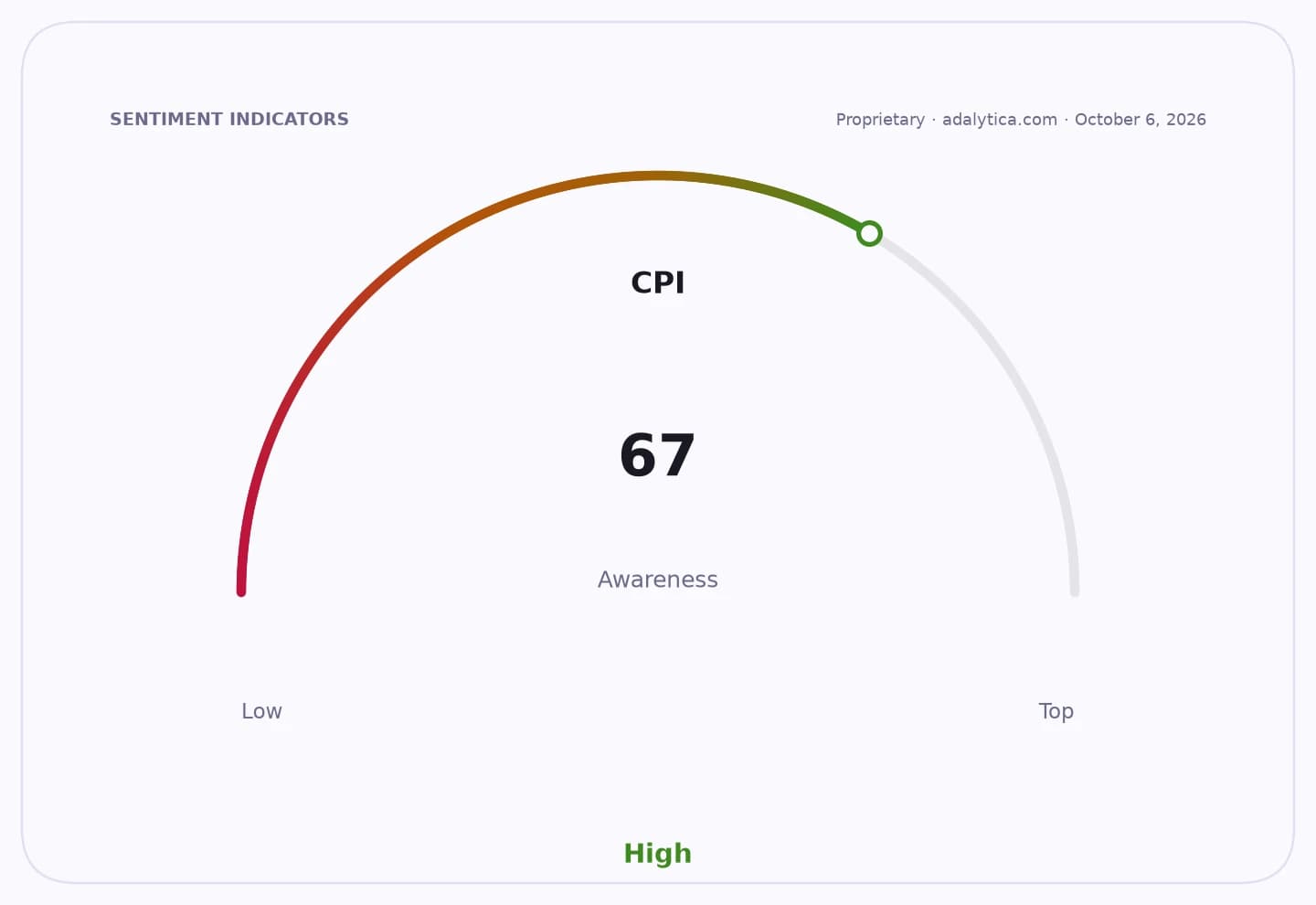
Bolivia’s inflation rose 0.85% in September even after the government scrapped a diesel subsidy and let fuel prices move closer to market levels, a sign that the immediate shock to consumer prices was smaller than many households and transport operators feared.
Bolivia Inflation Rises After Diesel Subsidy Cut
That matters because diesel is the country’s key industrial and transport fuel, and any sharp pass-through to freight, food and public transport can quickly ripple through an economy already under pressure from supply bottlenecks and rising living costs. The monthly reading suggests the price impact was broad but not yet disorderly, giving policymakers some room even as they face pressure from drivers to lift fares and from consumers to absorb higher operating costs.

The national statistics institute said the increase was driven not only by transport but also by food and other essentials, including tomatoes, potatoes, onions, soft drinks and mobile phones. Inflation was pushed higher by the jump in microbus and colectivo fares as well as by services tied to food and housing, underscoring that the diesel move landed on top of existing price pressures rather than creating them alone.
Still, the end of the subsidy is economically important because it links a politically sensitive fuel directly to the international market, where prices remain volatile. Diesel now sells at 17.95 bolivianos a liter, and the change that took effect on Sept. 19 is likely to keep feeding through to logistics costs over the coming months. For investors, that keeps attention on inflation-sensitive assets, local transport businesses and consumer sectors exposed to weaker real purchasing power.
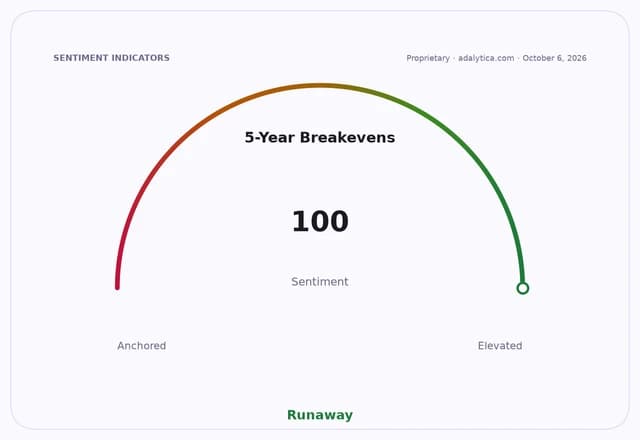
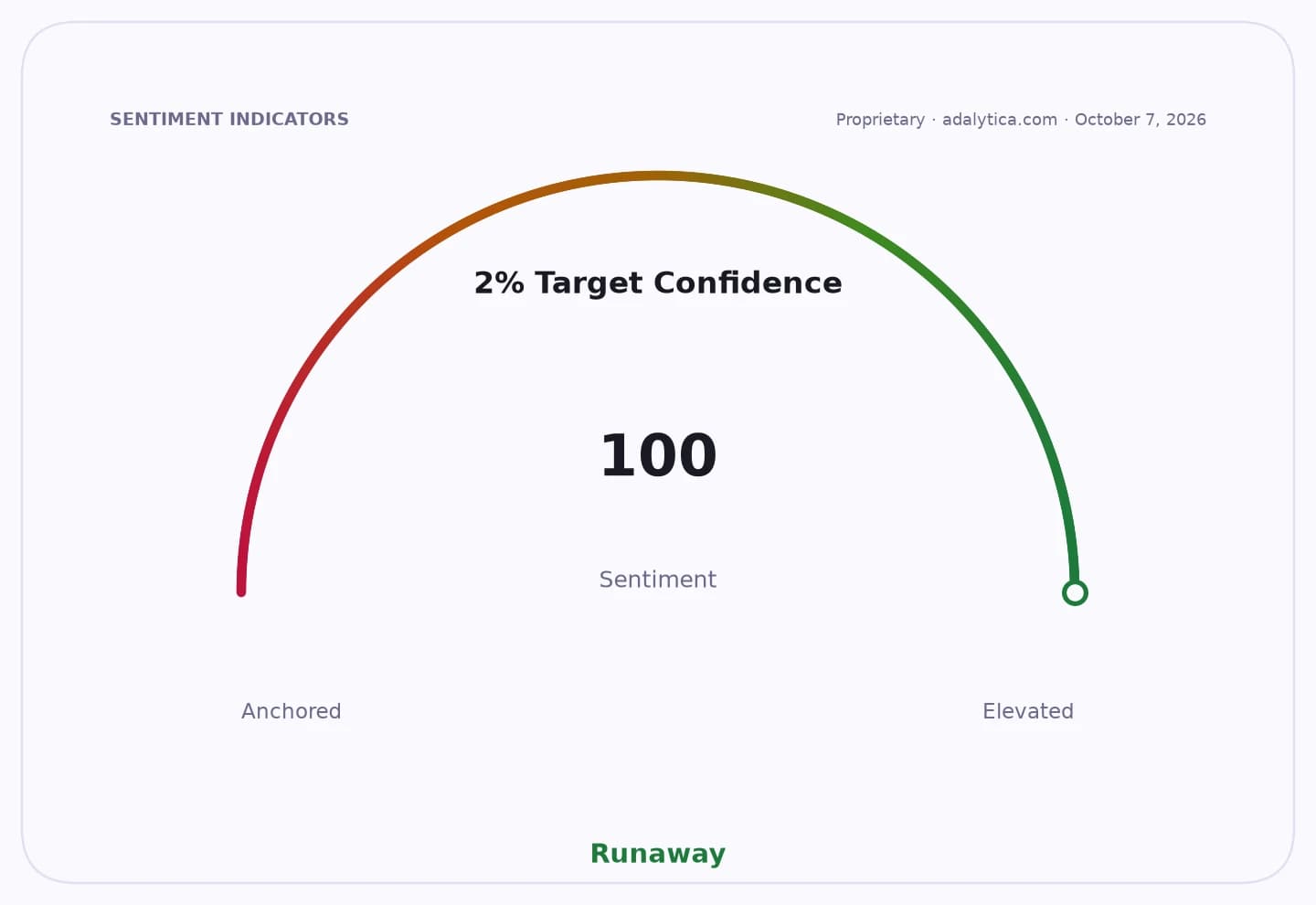
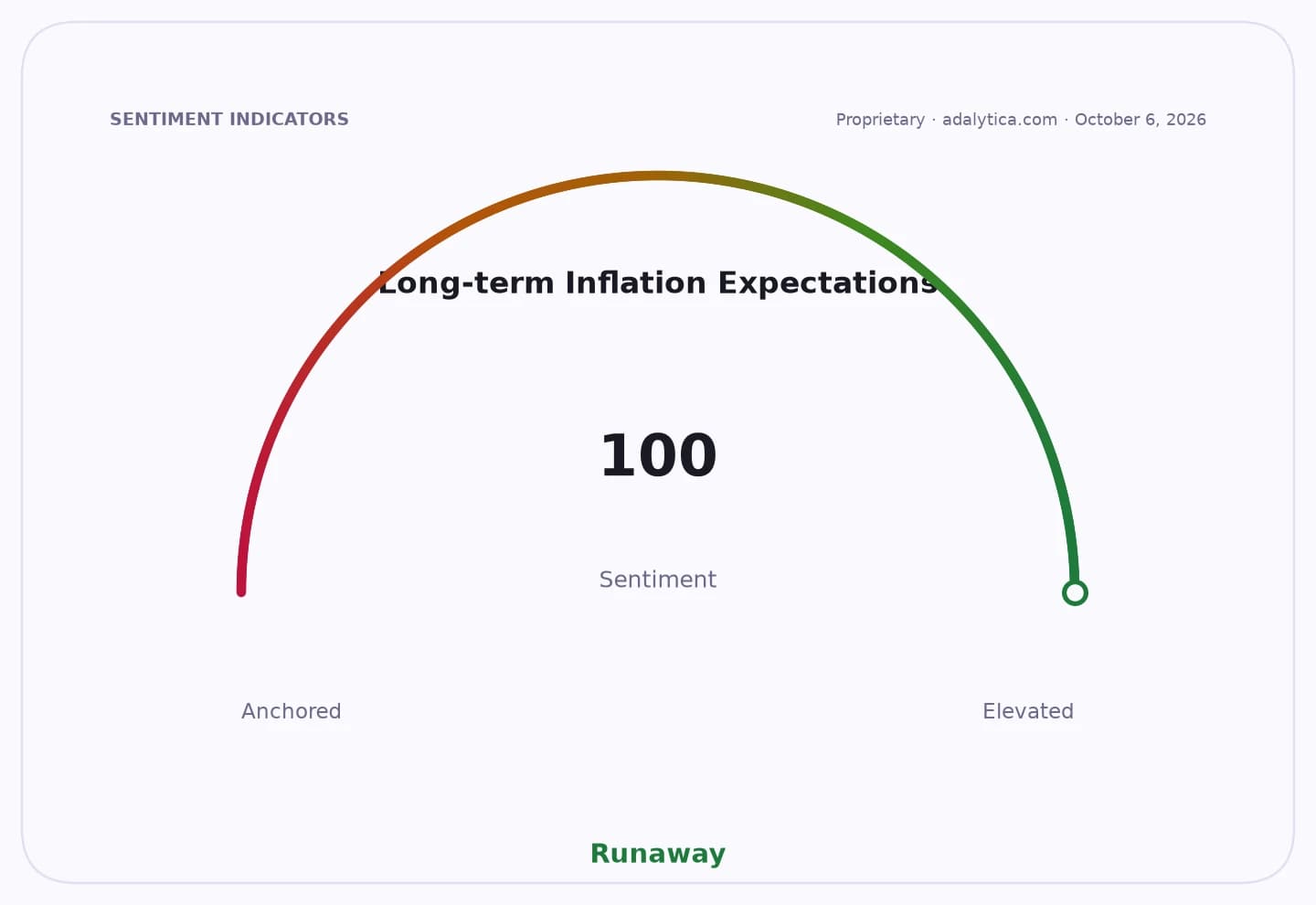
The bigger market takeaway is that Bolivia is entering a new inflation regime in which energy prices will matter more, not less. If diesel stays elevated, the monthly CPI gains could prove stickier, strengthening the case for higher transport tariffs and more persistent pressure on household demand. If the pass-through remains contained, it would suggest the economy can absorb the subsidy cut better than expected. Either way, the next data prints will be watched closely for signs that fuel inflation is becoming embedded.
| Entity | Gains | Losses |
|---|---|---|
| Bolivian state finances | ▲Lower subsidy burden | ▼Higher political pressure |
| Transport operators | ▲Potential fare increases | ▼Higher diesel costs |
| Consumers | ▲Limited immediate CPI shock | ▼Weaker purchasing power |
| Inflation-linked assets | ▲Higher inflation hedge appeal | ▼Rate-sensitive valuations |