Bolivia’s inflation pressure picked up in September as consumer prices rose 0.85% from August, driven by a sharp jump in everyday food items led by tomatoes, which surged 38.12% in the month.
Bolivia Inflation Rises 0.85% in September
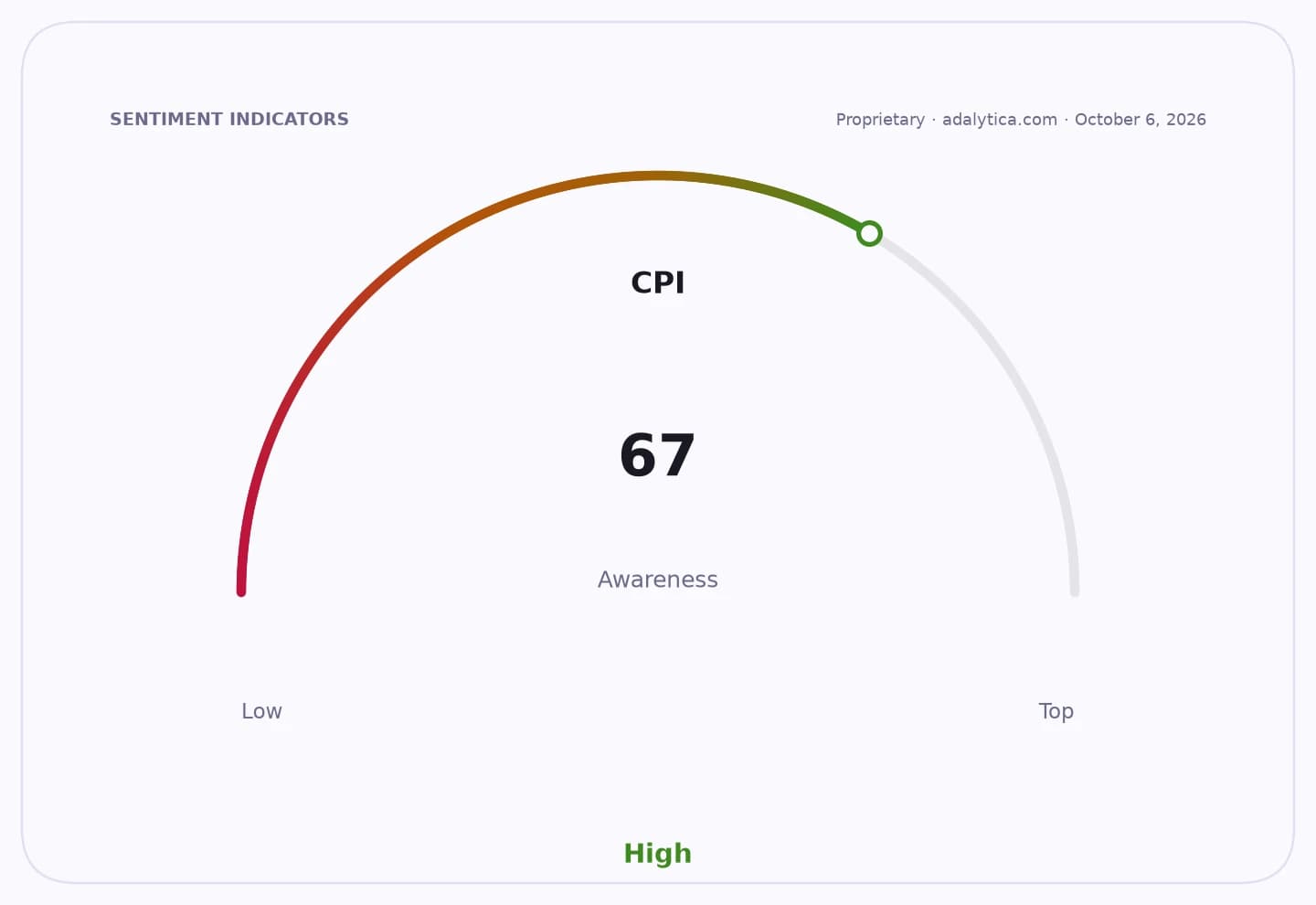
That matters because food, transport and other staples make up a large share of household spending in Bolivia, so even a modest headline reading can translate into a much bigger squeeze at the market basket level. The National Statistics Institute said September’s rise brought cumulative inflation to 3.88% for January through September and 5.70% over the past 12 months.
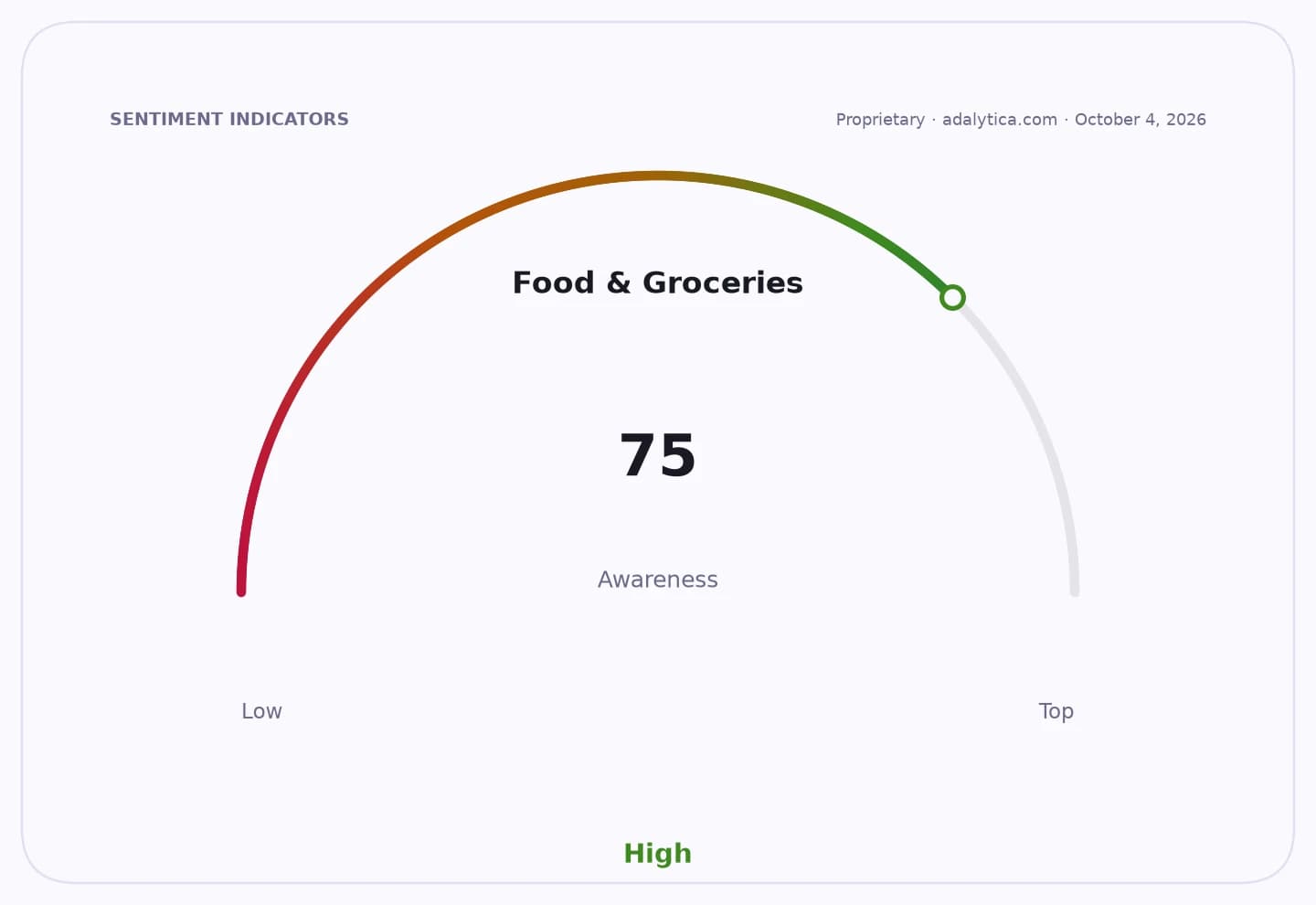
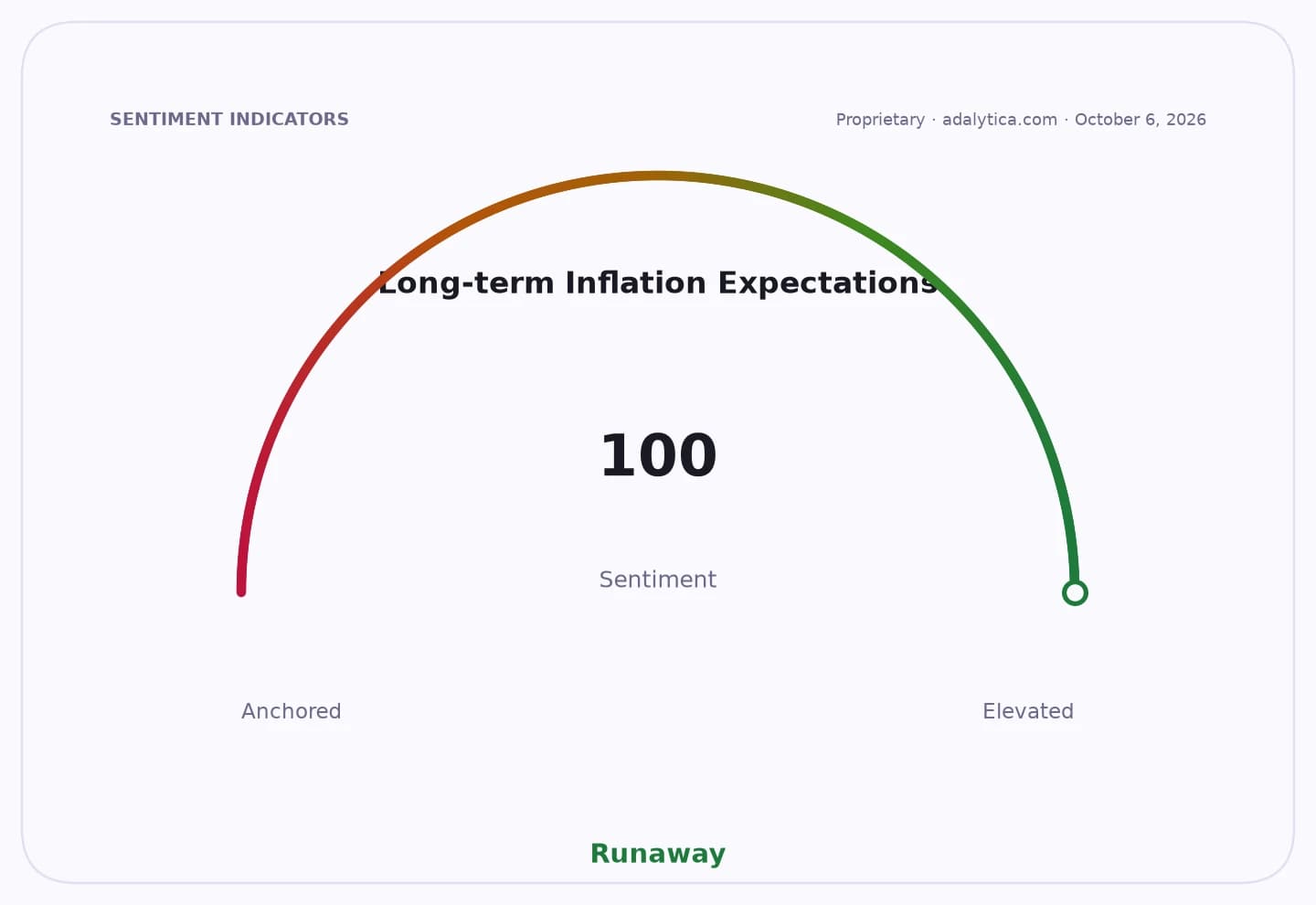
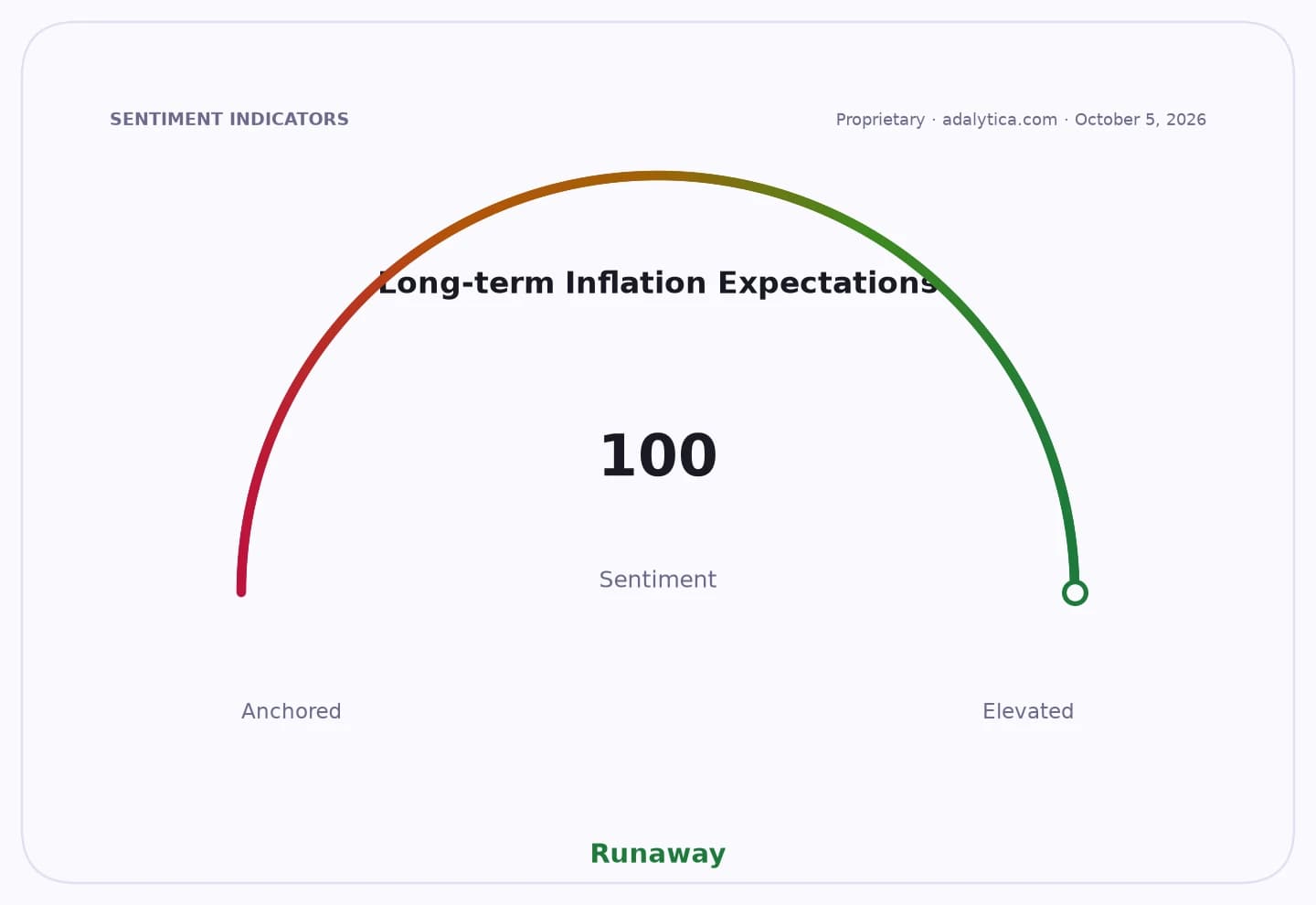
Sentiment IndicatorsⓘProprietary · adalytica.com · October 6, 2026
This is a snapshot — live sentiment, awareness and momentum for 130+ markets update continuously in the dashboard.Open AlphaPulse
Tomatoes were the biggest culprit, but they were not alone. Potatoes climbed 8.82%, onions rose 6.03%, soft drinks gained 3.75% and public transport costs increased 2.21%. Cellular phones also rose 5.64%, while furniture, household goods and services posted the strongest increase by spending category at 1.90%.
There were offsets. Chicken prices fell 19.21% in September, helping contain the overall index, while solar sunscreen, some construction materials and clothing items also declined.
The regional picture was uneven, underscoring how inflation is being felt differently across the country. Sucre posted the highest monthly increase at 2.26%, followed by Potosí at 1.88%, while the Santa Cruz metro area rose just 0.38%, less than half the national pace.
For investors, the data reinforces pressure on consumer purchasing power and keeps attention on inflation-sensitive sectors such as food distribution, transport and retail. It also adds another data point for policymakers trying to manage cost-of-living stress without derailing activity in an economy already navigating political friction and security concerns.
The next focus will be whether food-price spikes prove temporary or broaden into a more persistent inflation trend heading into year-end.
| Entity | Gains | Losses |
|---|---|---|
| Food sellers / farmers with scarce supply | ▲Higher prices on tomatoes and potatoes | ▼Consumers facing bigger grocery bills |
| Transport providers | ▲Higher fares and revenue | ▼Commuters and households |
| Chicken producers / buyers | ▲Lower chicken prices support demand | ▼Tomato and produce buyers |
| Bolivian households | ▲Cheaper chicken offsets some costs | ▼Real purchasing power from staple inflation |