Uruguay’s inflation rate edged back above the central bank’s 4.5% target in September, but Economy Minister Gabriel Oddone said the slowdown in the year’s earlier pace had brought prices back into a more manageable range for policymakers and investors.
Uruguay Inflation Rises to 4.68% in September
Consumer prices rose 0.54% in the month, lifting 12-month inflation to 4.68% from 4.55% in August, according to the national statistics institute. Oddone said the pickup was unsurprising given a “more stressed” global price backdrop, while stressing the government wants to avoid a pass-through from higher oil prices that could erode household purchasing power.
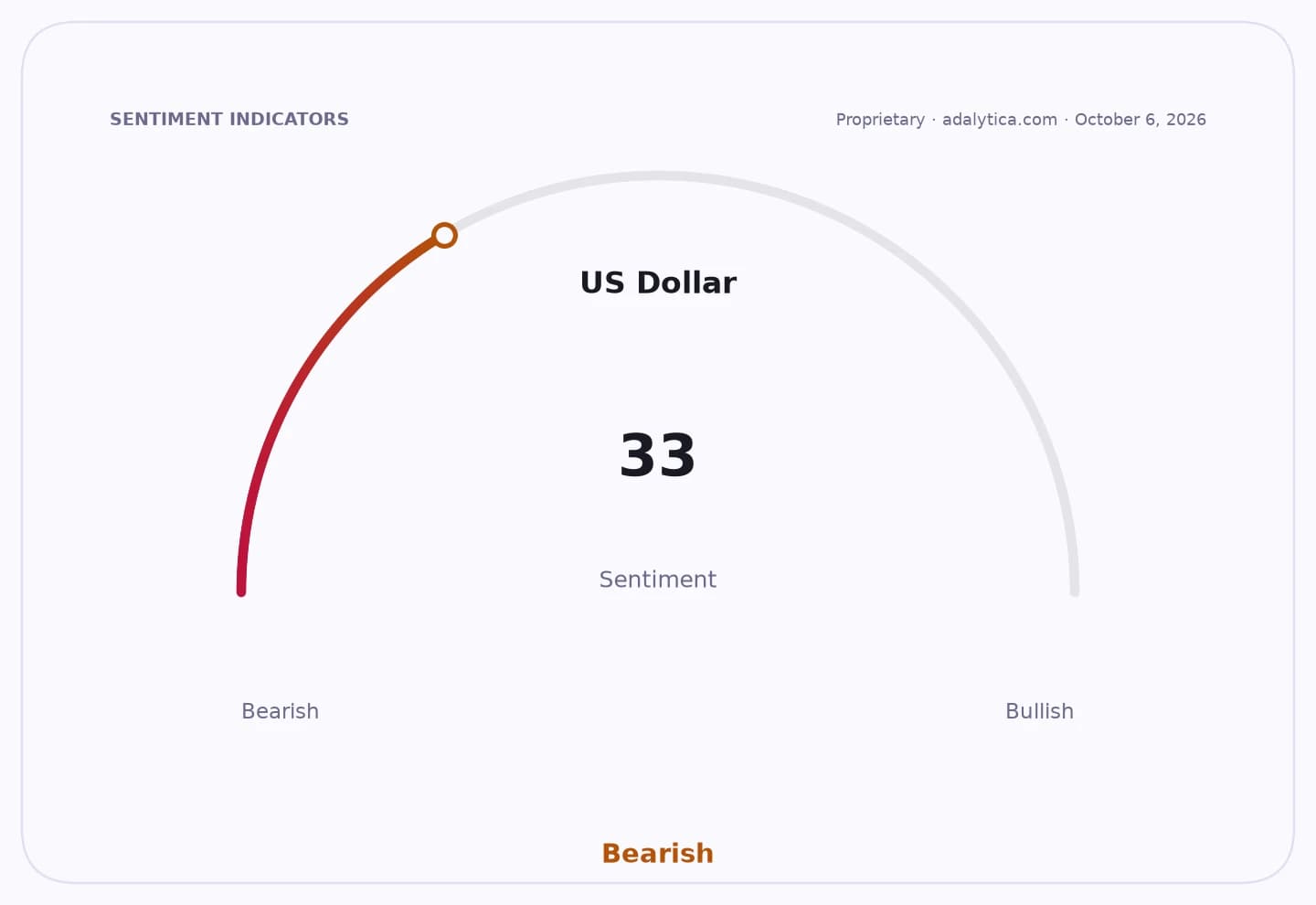
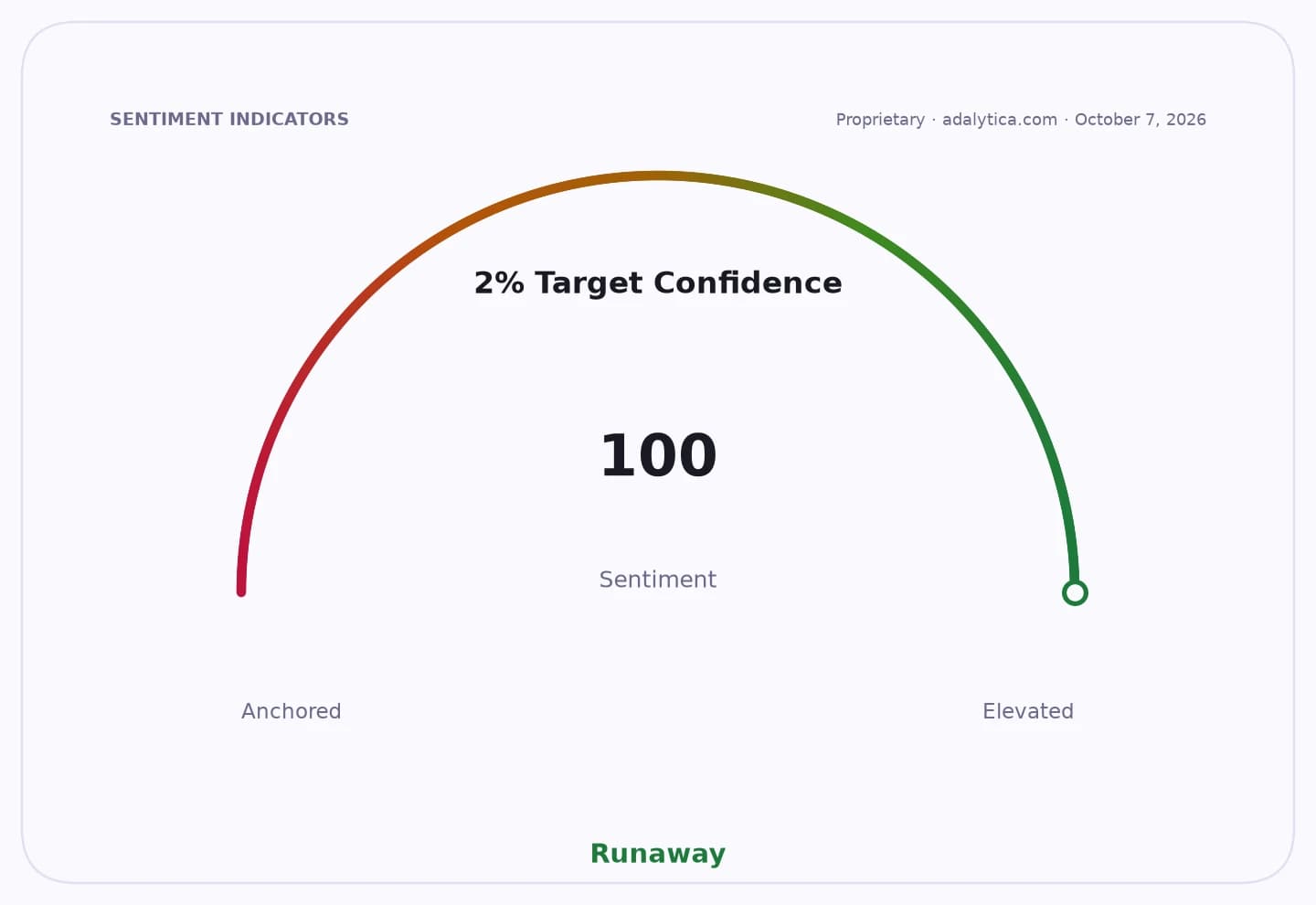
Sentiment IndicatorsⓘProprietary · adalytica.com · October 7, 2026
This is a snapshot — live sentiment, awareness and momentum for 130+ markets update continuously in the dashboard.Open AlphaPulse
The reading matters because Uruguay has spent much of the year trying to keep inflation anchored near the central bank’s target without choking off growth. At 4.68%, price gains remain only slightly above the goal, reinforcing the view that the disinflation process is still intact even as imported pressures intensify.
For investors, the key question is whether the latest increase proves temporary or marks the start of a broader acceleration. A sustained move in energy prices would complicate policy for the Banco Central del Uruguay and could weigh on real wages, consumer spending and the government’s room to maneuver on administered prices such as fuels.
Oddone signaled the government is trying to cushion domestic prices, especially gasoil, rather than fully passing through international oil costs. That helps households and limits short-term inflation volatility, but it can also delay adjustments that fiscal and pricing policy eventually has to absorb.
The inflation report comes as Uruguay navigates a modest-growth environment and a broader regional backdrop of tighter global prices and political uncertainty. The next inflation print and any move in fuel pricing will be watched for signs of whether inflation stays near target or starts drifting higher again.
| Entity | Gains | Losses |
|---|---|---|
| Uruguayan households | ▲Slower price pass-through | ▼Higher living costs if oil rises |
| Government of Uruguay | ▲Inflation near target range | ▼Pressure to manage fuel prices |
| Banco Central del Uruguay | ▲More scope to stay patient | ▼Risk of renewed inflation overshoot |
| Consumers/savers | ▲Preserved purchasing power, for now | ▼Real income if inflation accelerates |