Kazakhstan’s central bank cannot crush inflation on its own because government spending, not just interest rates, is still feeding price pressures and weakening the case for a stable tenge.
Kazakhstan inflation stays high as spending pressure builds
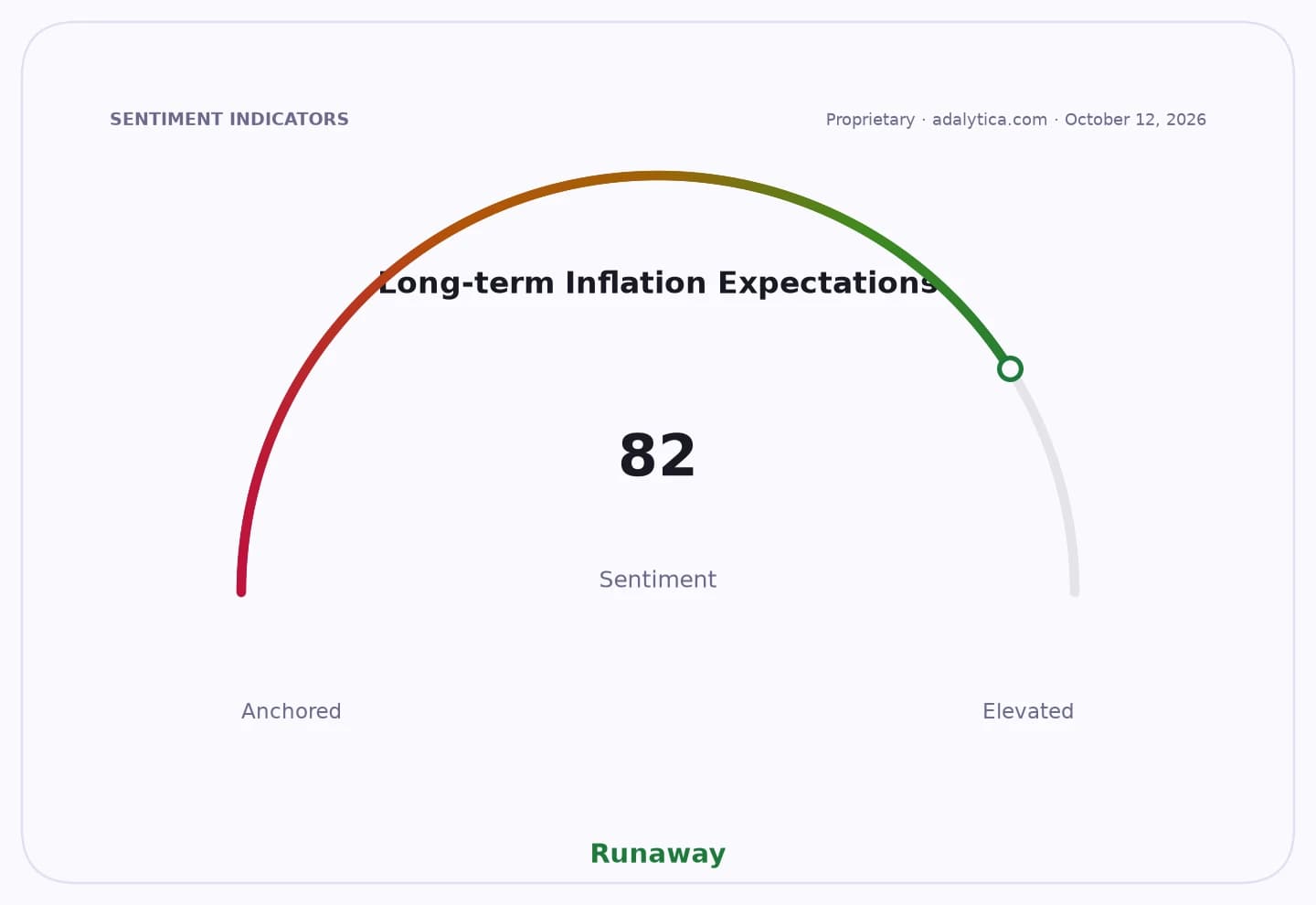
That is the core warning from Halyk Finance Deputy Chairman Bauyrzhan Tulepov, who said the National Bank of Kazakhstan is being forced to counter a direct fiscal stimulus with indirect monetary tightening, a setup that has kept inflation above target for years and repeatedly delayed the country’s return to price stability. Kazakhstan’s September inflation slowed to 9.3%, but that is still far from the 5% goal and miles away from the 2% level Tulepov described as economically optimal.
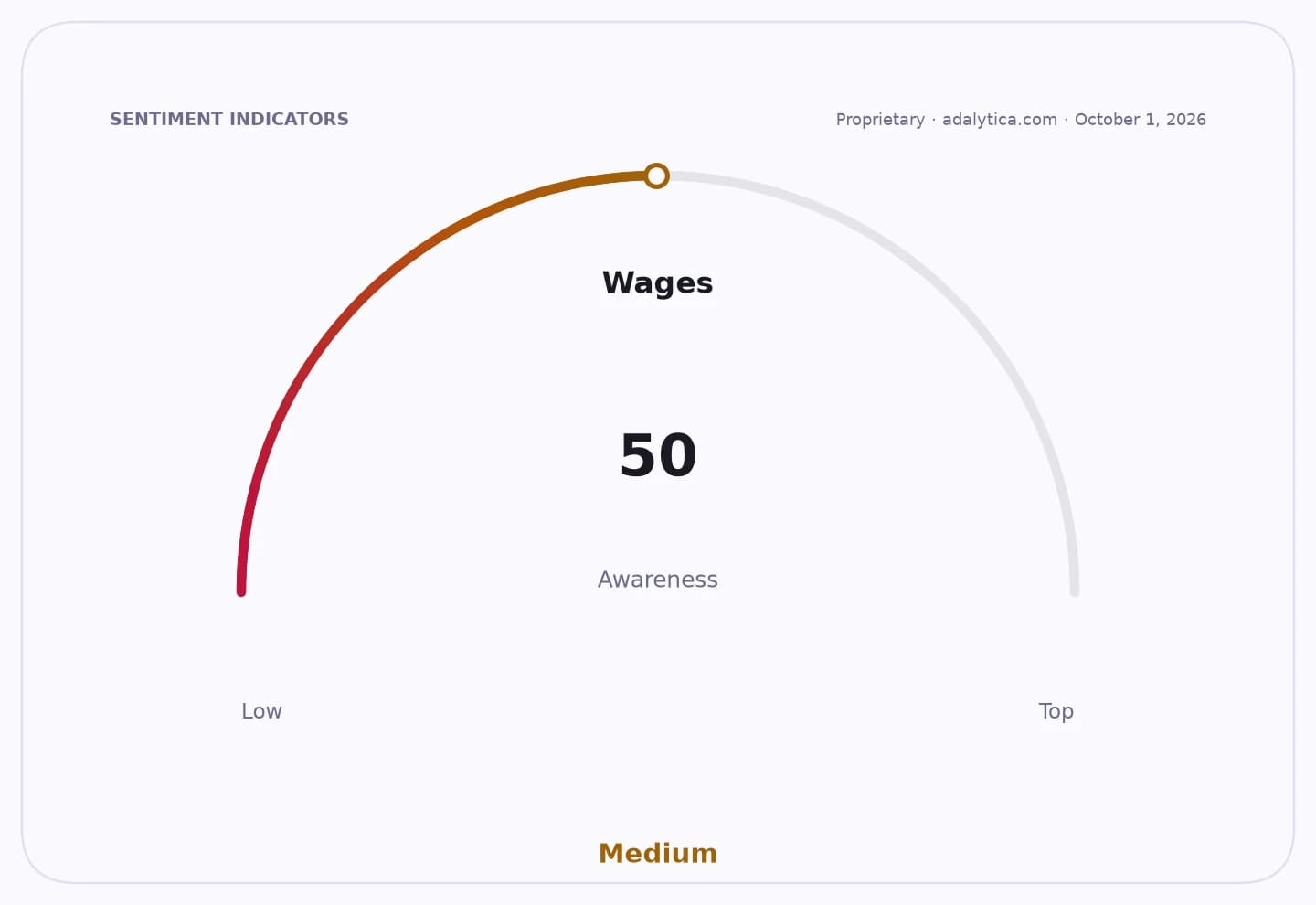
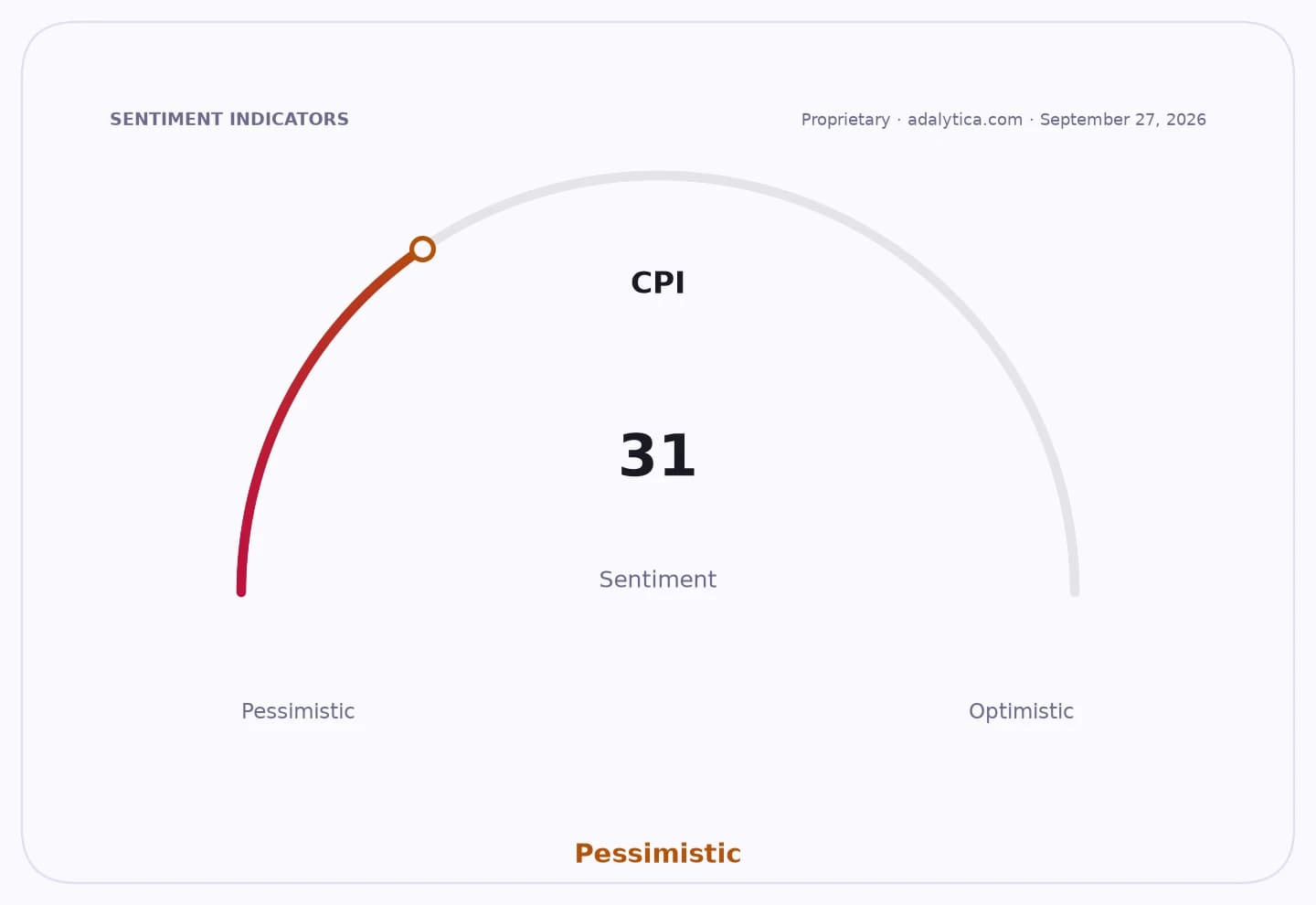
Sentiment IndicatorsⓘProprietary · adalytica.com · October 12, 2026
This is a snapshot — live sentiment, awareness and momentum for 130+ markets update continuously in the dashboard.Open AlphaPulse
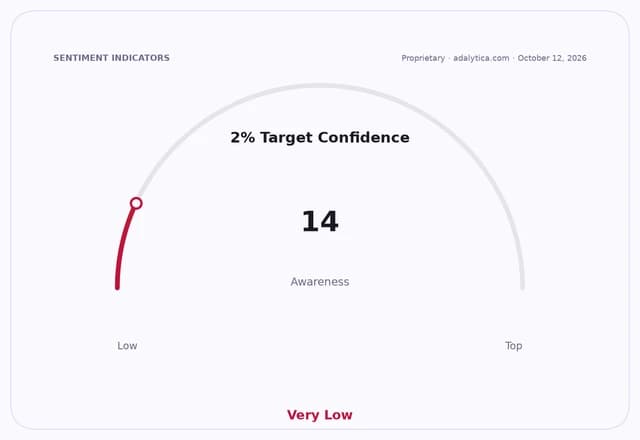
The issue matters because inflation is now the main constraint on Kazakhstan’s growth model. Higher state spending on social programs, energy and infrastructure may support activity in the short term, but it also stretches capacity, pushes up wages and import costs, and leaves the central bank with the blunt instrument of a high policy rate. Tulepov said the country’s real bottlenecks are already visible in construction and labor shortages, meaning extra money is increasingly chasing limited supply rather than expanding it.
For investors, that makes Kazakhstan’s policy mix a key watchpoint for both rates and foreign exchange. The tenge has rebounded to around 451 per dollar from 431.56 on Oct. 8, but Tulepov said the currency still looks too firm for domestic producers and is likely to weaken gradually if inflation stays elevated. The move also shows up in technical terms: the dollar/tenge pair remains below its 50-day moving average of 440.40, while the 200-day average sits much higher at 468.55, underscoring a market that has recently been stronger than longer-term fundamentals would suggest.
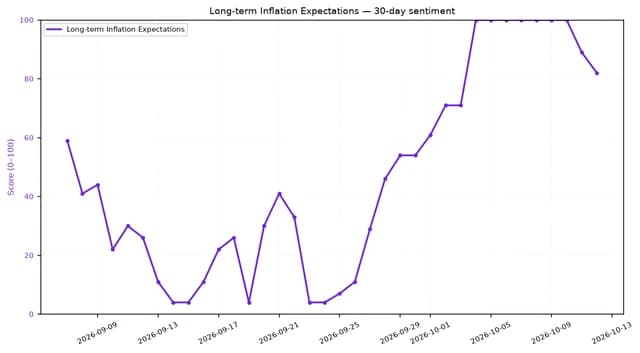
Tulepov argued that Kazakhstan needs a tighter fiscal rule, not just a tighter central bank, to make inflation targeting credible. He said the best model would cap spending growth, save excess commodity revenue in the sovereign fund and keep oil windfalls from spilling directly into the economy, echoing the experience of other resource exporters such as Norway. Without that, he said, even the current inflation target remains hard to hit and could be pushed back again, as has happened repeatedly since Kazakhstan adopted inflation targeting in 2015.
The broader implication is that Kazakhstan’s policy debate is shifting from whether the central bank should raise or cut rates to whether the government is willing to rein in demand. Until that happens, investors should expect inflation to stay sticky, the tenge to face periodic pressure, and the National Bank to remain stuck fighting a problem that fiscal policy keeps recreating.
| Entity | Gains | Losses |
|---|---|---|
| National Bank of Kazakhstan | ▲Short-term credibility from restraint | ▼Limited power to cut inflation |
| Government spending programs | ▲Support growth and social outlays | ▼Add inflation and FX pressure |
| Tenge exporters | ▲Short-term weaker currency support | ▼Strong tenge hurts competitiveness |
| Local consumers and borrowers | ▲— | ▼Higher prices and tighter policy |