Mongolia’s planned 2027 budget expansion is set to add fresh inflation pressure, with the Asian Development Bank warning that a 32% jump in spending could stoke demand at a time when price risks are already elevated.
Mongolia 2027 Budget Expansion May Lift Inflation
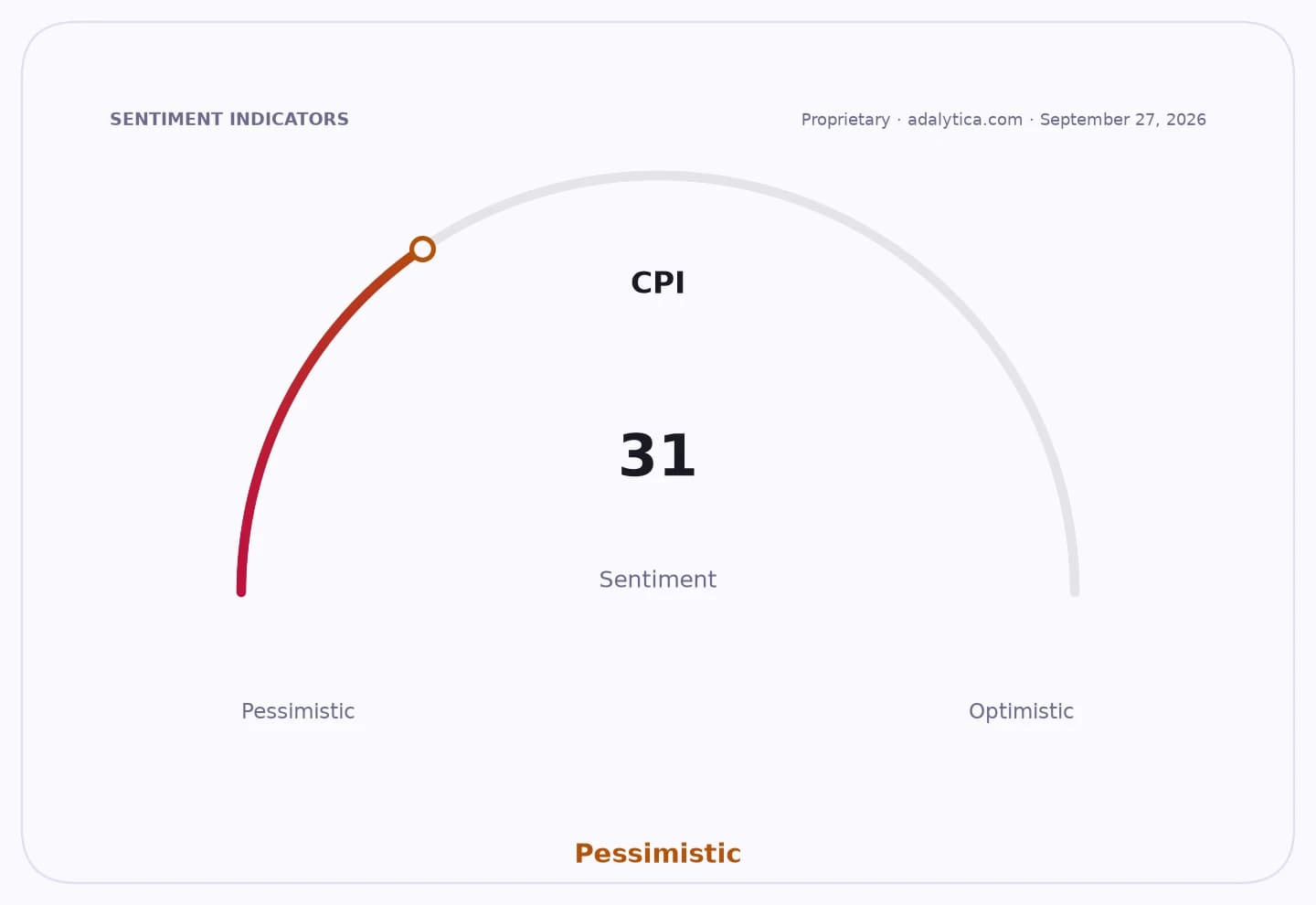
The warning matters because Mongolia is trying to balance growth support with price stability. More government spending should lift household consumption and support activity, but it also raises the chance that demand runs ahead of supply, keeping inflation sticky and forcing the central bank to keep monetary policy tight for longer.
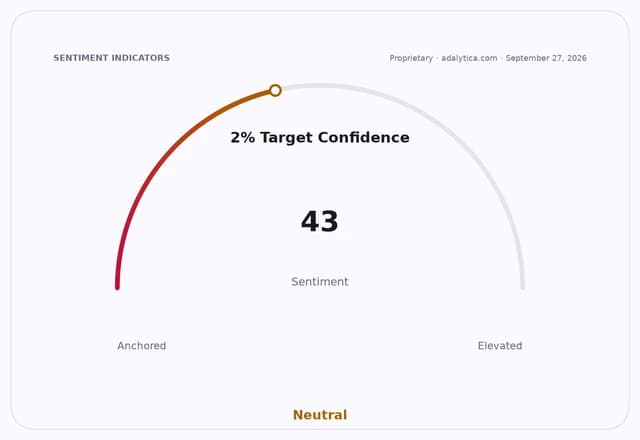
ADB’s revised outlook for 2026-2027 flagged four main vulnerabilities for Mongolia, with the budget plan the most immediate policy risk. The bank said the 2027 draft would expand expenditures by 32%, a pace that could feed directly into consumer demand and broader inflation if funded through aggressive fiscal stimulus.
That comes on top of already persistent price pressures. ADB said meat prices remain high and could keep inflation in double digits for an extended period, while any prolonged disruption to fuel supply could push up production costs and pass through to consumer prices. A slower-than-expected easing in price pressures would leave little room for policy easing.
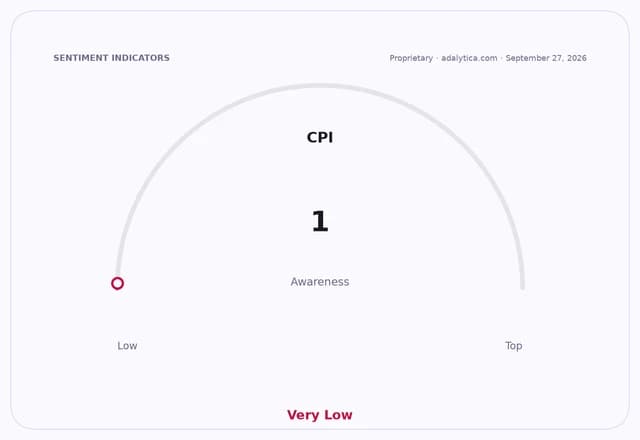
The fiscal issue is particularly important for investors because it raises the odds of a policy mix that is less supportive for local bonds and more volatile for the currency. Higher government spending can lift nominal growth, but if it coincides with weaker mining revenues, the economy becomes more exposed to financing gaps and inflation shocks.
ADB also said Mongolia’s dependence on mining exports remains a structural risk. If commodity prices fall just as the government ramps up spending, the country could face a sharper deterioration in fiscal balances, which would weigh on confidence, limit policy flexibility and increase vulnerability in domestic assets.
For investors, the key question now is whether the government can offset a more expansionary budget with tighter execution and stronger revenue collection. The next test will be the final shape of the 2027 budget and whether inflation data begins to reflect the combined impact of food, fuel and demand-side pressures.
| Entity | Gains | Losses |
|---|---|---|
| Households and retailers | ▲Stronger consumption | ▼Higher inflation |
| Mongolian government | ▲Short-term growth boost | ▼Higher fiscal risk |
| Bondholders | ▲None | ▼Tighter policy, inflation pressure |
| Mining-linked economy | ▲Demand support | ▼Revenue shock vulnerability |