Russia’s central bank is warning that the next round of housing and utility tariff indexation will add 0.7 percentage point to annual inflation and pull price growth toward the top of its 7% forecast range, underscoring how administratively set costs are still doing much of the inflationary heavy lifting.
Russia Tariff Indexation Adds 0.7 Point to Inflation

The message matters because it narrows the room for policy easing just as the central bank is trying to keep expectations anchored. Kirill Tremasov, an adviser to the central bank chairman, said that if the tariff increase had taken effect on July 1, headline inflation would already be around 7% because the adjustment feeds straight into the consumer basket. With the government delaying the indexation until Oct. 1, the pressure has been deferred, not removed.
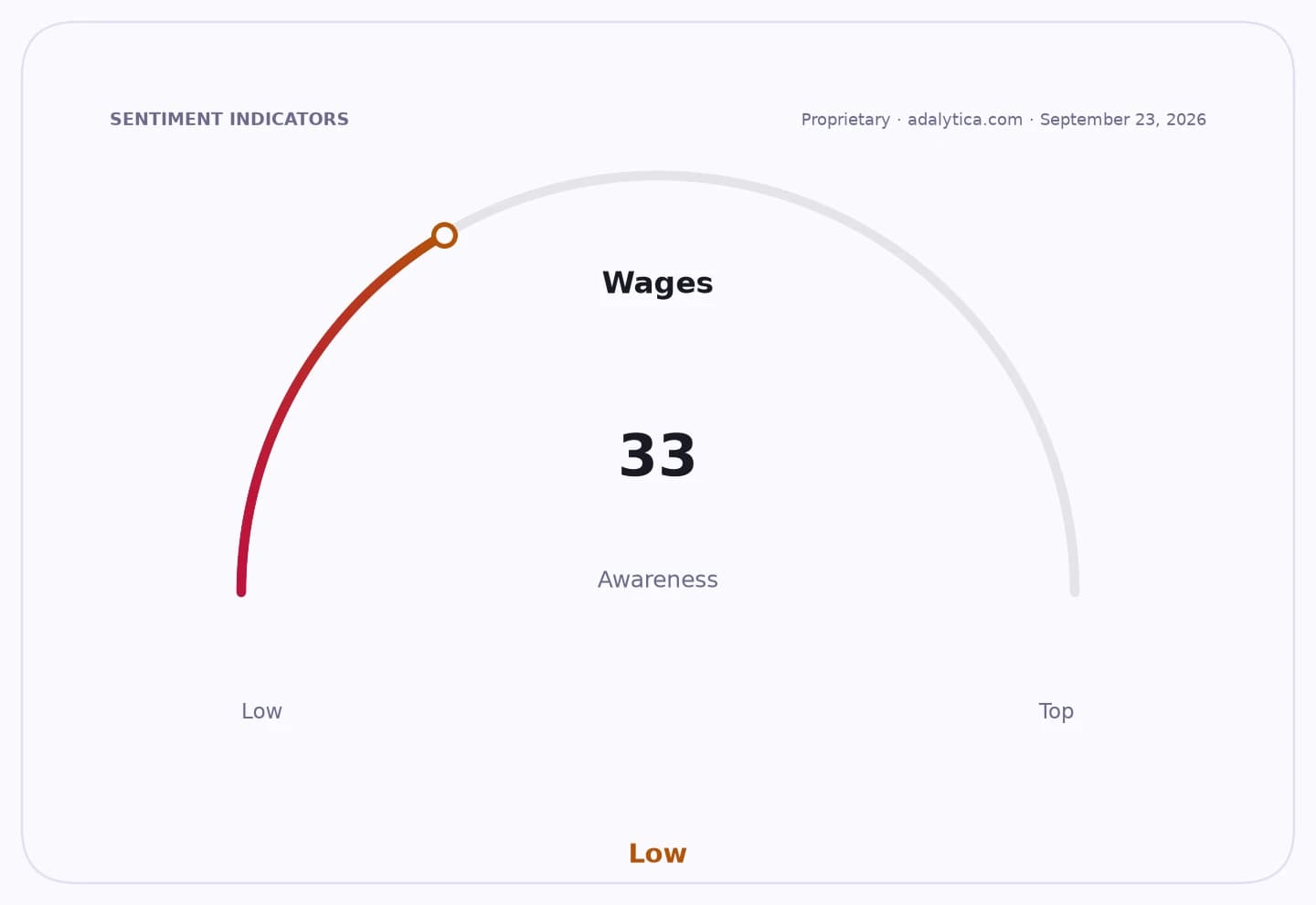
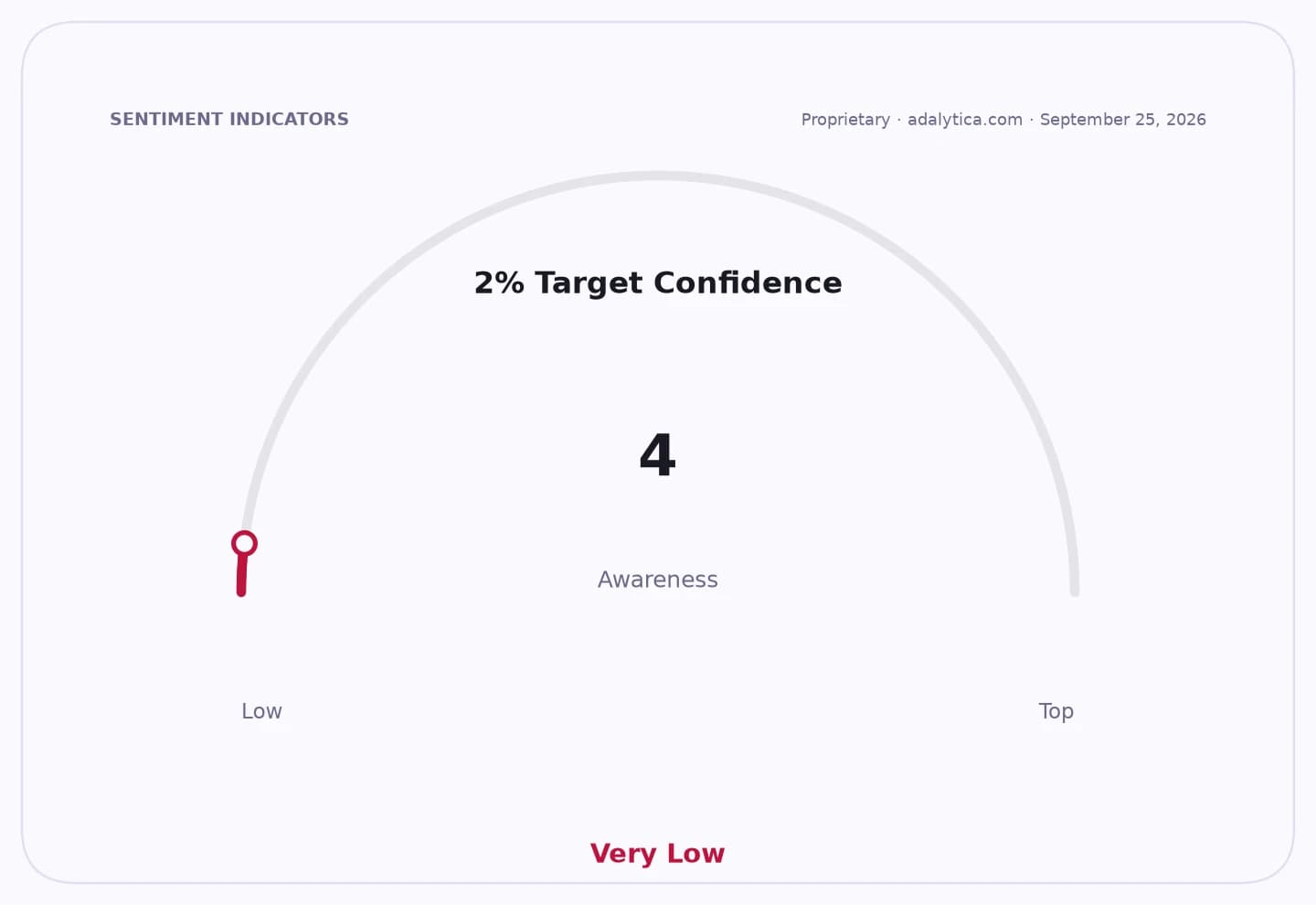
Sentiment IndicatorsⓘProprietary · adalytica.com · September 16, 2026
This is a snapshot — live sentiment, awareness and momentum for 130+ markets update continuously in the dashboard.Open AlphaPulse
For the economy, the issue is less about one utility bill than about the persistence of regulated-price inflation in a system where households cannot easily avoid the increase. Housing and utilities are a basic cost of living, so the pass-through tends to be immediate and broad-based. That makes it harder for the central bank to argue that inflation is cooling in a durable way, even if some goods categories soften. It also complicates wage bargaining and raises the risk that households and businesses begin assuming higher inflation will persist, which can make it self-fulfilling.
The timing is awkward for policymakers. The central bank has been trying to lean against price pressures with tight policy, but the tariff step adds a structural boost to inflation at the same time as authorities are under pressure to contain public discontent over living costs. Government intervention has also become more visible: the Federal Antimonopoly Service said it found 100 billion rubles of utility overcharges over the past two years, and Prime Minister Mikhail Mishustin has ordered it to consider tougher measures against violations in the sector.
For investors, the implications run beyond Russia’s domestic consumer basket. Higher inflation near the upper end of the central bank’s forecast suggests rates may stay restrictive for longer, supporting the ruble in the near term but weighing on credit growth and consumer demand. Bond investors face the risk of a slower disinflation path and a steeper premium for holding local debt if tariff-driven price pressure spills into broader expectations. Equities tied to household spending could also feel the strain if utilities absorb a larger share of disposable income.
The broader narrative is that Russia is still fighting inflation that is partly being created by policy itself. Delaying the tariff increase until October may smooth the political optics, but it does not change the underlying arithmetic: regulated prices are set to keep headline inflation elevated, leaving the central bank with less flexibility and investors with a firmer inflation floor to price in.
| Entity | Gains | Losses |
|---|---|---|
| Utilities and regulated providers | ▲Higher tariff revenue | ▼Public scrutiny over overcharges |
| Russian state budget/policymakers | ▲Delayed political backlash | ▼Harder inflation management |
| Central bank hawks | ▲Stronger case for tight policy | ▼Less room to cut rates |
| Consumers and rate-sensitive borrowers | ▲Temporary delay in bill shock | ▼Higher living costs and weaker real income |