Russia’s central bank said stable inflation has shifted into the 5%–6% range, a sign that price pressures are proving stickier than policymakers had been expecting and are likely to keep interest rates elevated for longer.
Russia central bank raises inflation band to 5%-6%

The change is economically important because it suggests the Bank of Russia is no longer dealing with a short-lived price spike, but with a broader inflation process that is feeding into services and other persistent components. For households, that means purchasing power remains under strain even if headline price growth later moderates. For businesses, it raises financing costs and makes wage and pricing decisions harder to anchor. For investors, it reinforces the case for a restrictive policy stance and limits the room for an early easing cycle.
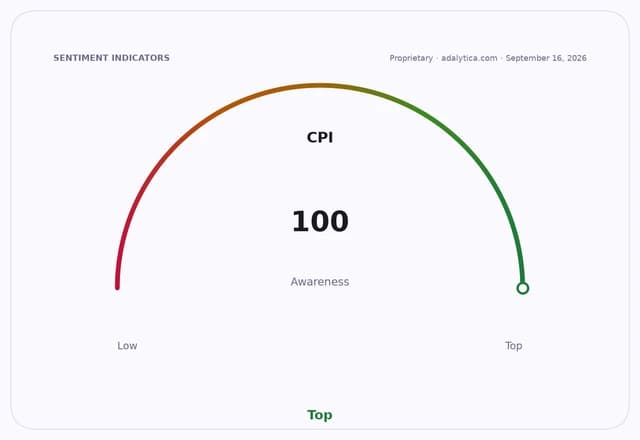
Sentiment IndicatorsⓘProprietary · adalytica.com · September 16, 2026
This is a snapshot — live sentiment, awareness and momentum for 130+ markets update continuously in the dashboard.Open AlphaPulse
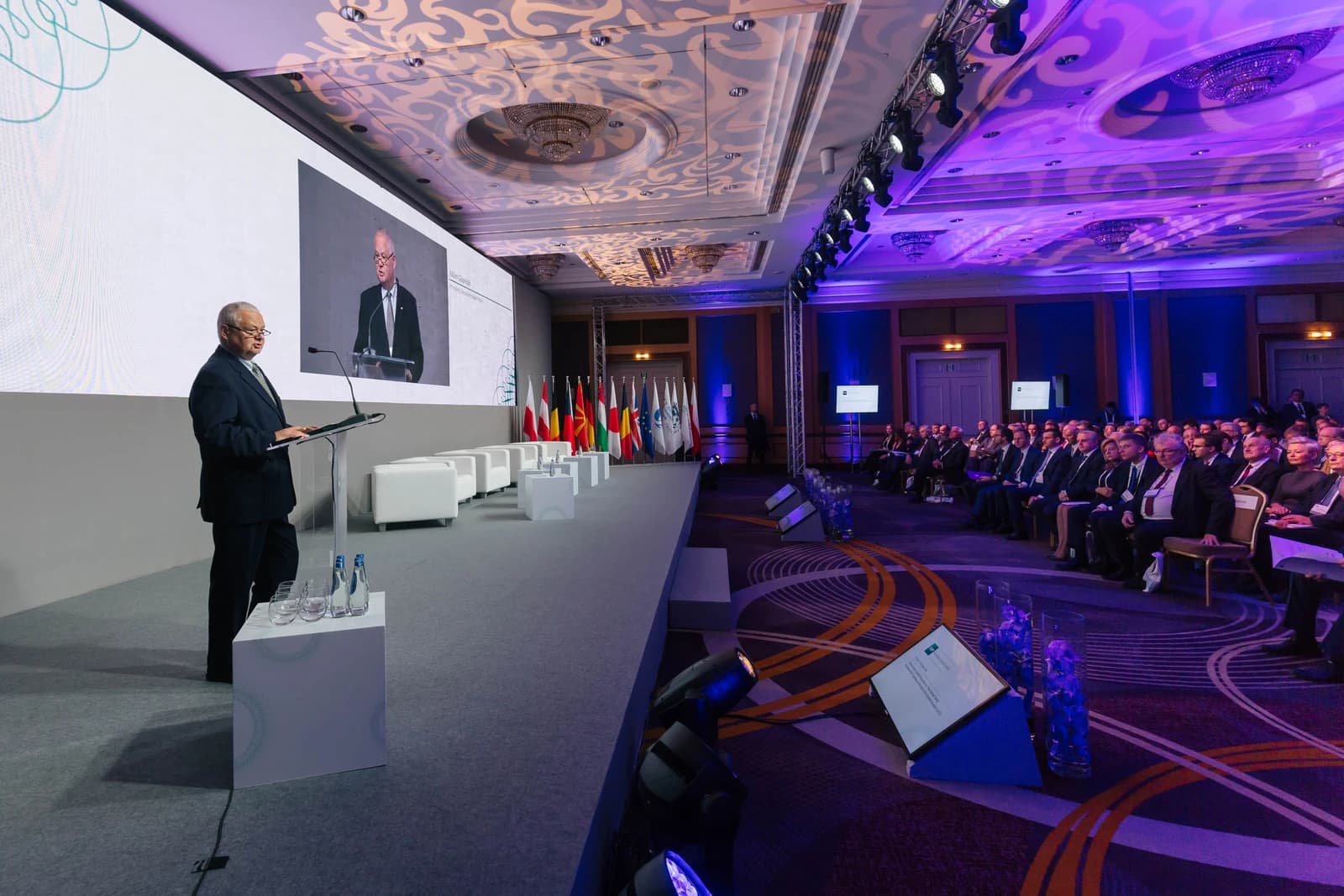
Kiril Tremasov, an adviser to the central bank’s governor, said on the sidelines of the TNF industrial forum in Tyumen that the stable inflation band had moved up from 4%–5% to 5%–6%. He said the bank initially saw this year’s inflation jump as potentially resembling 2019, when prices rose and then slowed sharply, but that pattern was broken by a fuel crisis.
“We already saw in spring that inflation slowed significantly, but the fuel crisis upset the plans,” Tremasov said, according to TASS. “In June we saw exclusively rising fuel prices and a weak response in the persistent components. And in July-August there was a sustained acceleration of inflation.”
The central bank’s warning underscores how sensitive Russia’s inflation outlook remains to energy-market distortions. Authorities have said the direct contribution from motor fuel problems to inflation is about 0.7 to 0.8 percentage point, a material hit in a price environment where second-round effects matter as much as the initial shock. If fuel costs keep feeding through transport, logistics and food prices, the bank may have to hold rates higher even as growth slows.
That matters for markets because Russian monetary policy is now being driven less by one-off volatility and more by a deterioration in underlying price dynamics. A shift in the stable inflation range higher typically reduces expectations of near-term policy relief, keeps borrowing costs elevated for corporates and households, and can support the ruble only if policy stays tight enough to curb demand. If inflation proves entrenched, real rates may need to remain restrictive for longer.
The broader backdrop is also politically sensitive. The remarks came ahead of the TNF forum in Tyumen, where industrial and energy-sector officials are discussing the state of an economy that remains heavily exposed to fuel prices and domestic demand management. For the Kremlin, higher persistent inflation complicates efforts to protect living standards without tightening policy further.
The next key test is whether the central bank sees the recent acceleration as temporary spillover from fuel prices or the start of a more durable move higher in core inflation. If the latter, rate cuts will be pushed back; if not, policymakers may still argue that inflation can be brought under control without an extended tightening cycle. Investors will be watching for further guidance from the bank on how quickly it expects persistent inflation to return toward target.
| Entity | Gains | Losses |
|---|---|---|
| Bank of Russia | ▲stronger case for tight policy | ▼pressure to cut rates |
| Borrowers | ▲slower credit expansion | ▼higher financing costs |
| Savers/ruble holders | ▲higher real yields | ▼weaker purchasing power |
| Fuel producers/logistics | ▲pricing power | ▼margin pressure from controls |