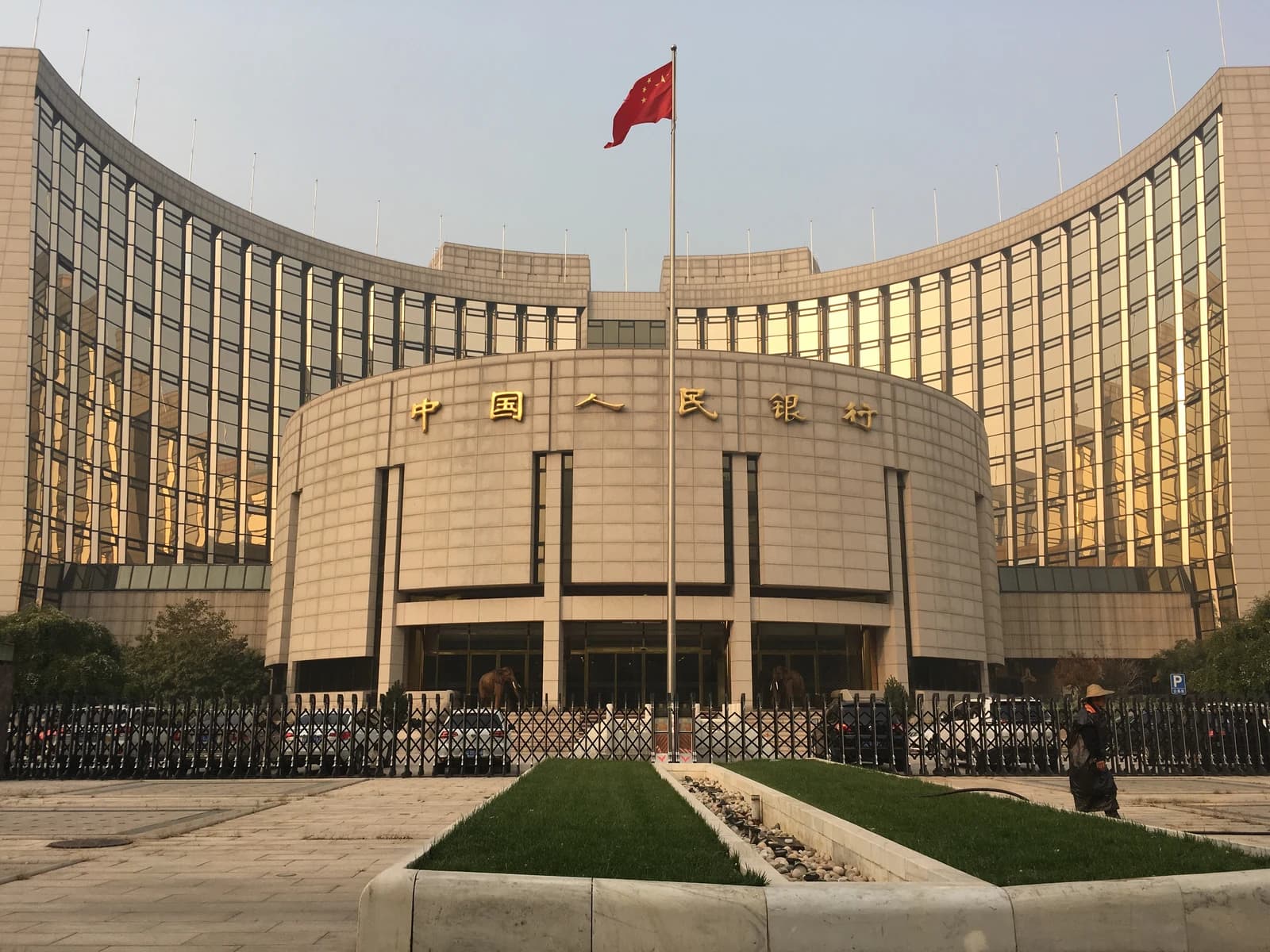
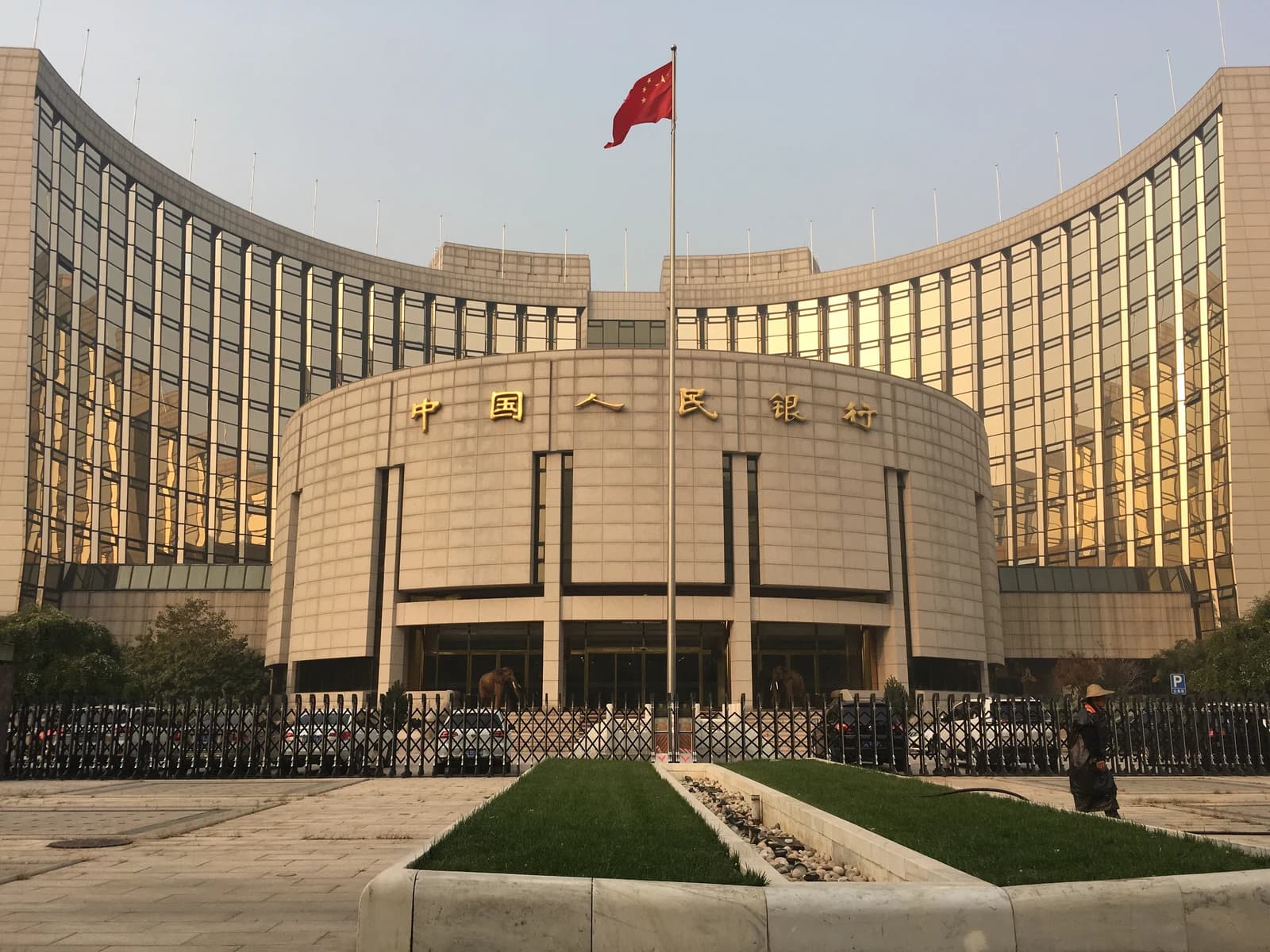
China is pushing back hard against accusations that it is keeping the yuan weak for trade advantage, just as Europe intensifies pressure for a stronger currency to help narrow a record trade gap with the world’s second-largest economy.
China PBOC Rejects Weak Yuan Claims
That matters because the yuan has become more than a currency story: it is now a proxy for global trade tensions, industrial competition and the risk of fresh protectionism. With China’s trade surplus hitting almost $1.2 trillion in 2025, European policymakers increasingly see an undervalued yuan as part of the reason their manufacturers are losing ground to Chinese exports.
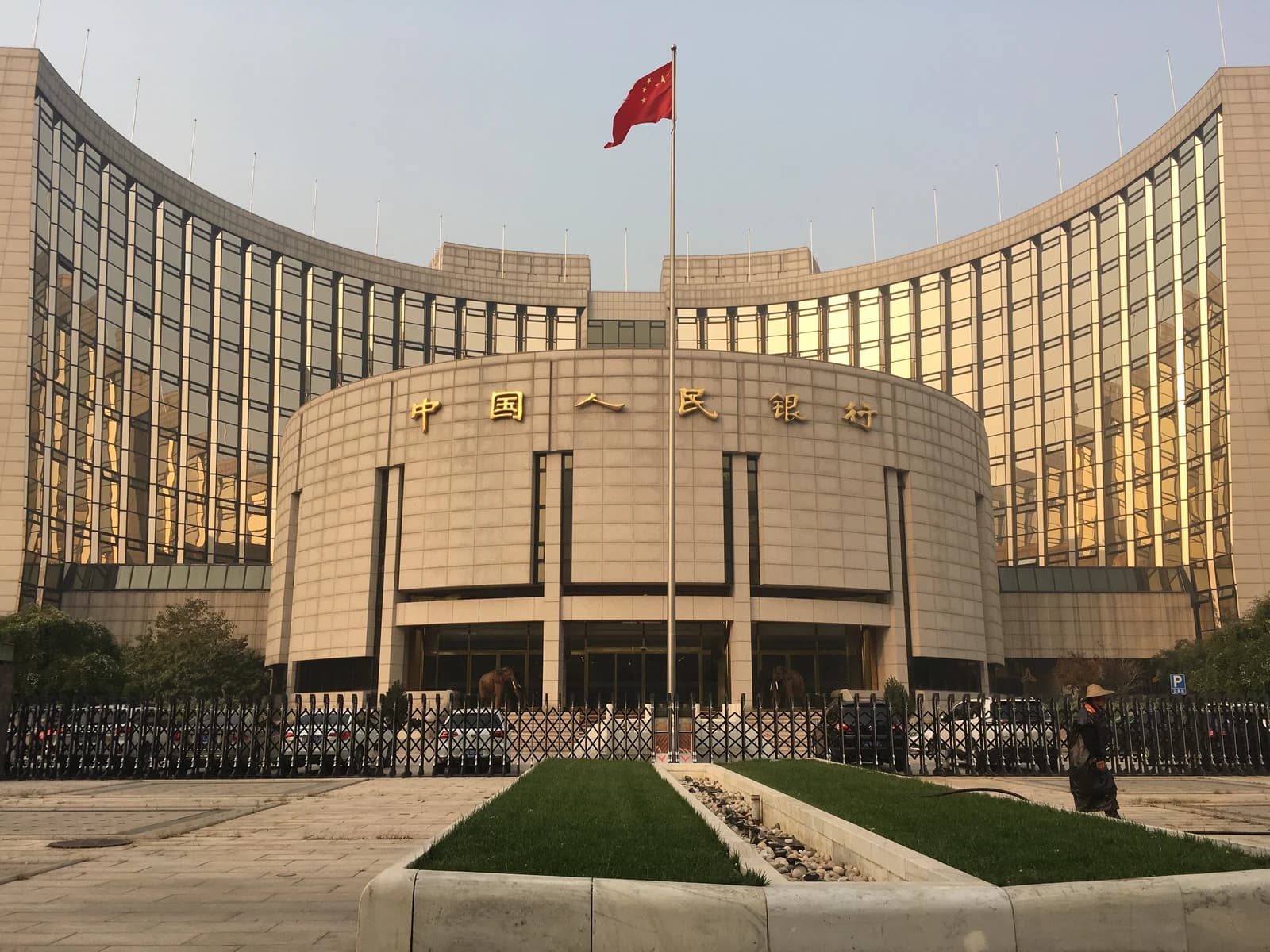
Sentiment IndicatorsⓘProprietary · adalytica.com · October 10, 2026
This is a snapshot — live sentiment, awareness and momentum for 130+ markets update continuously in the dashboard.Open AlphaPulse
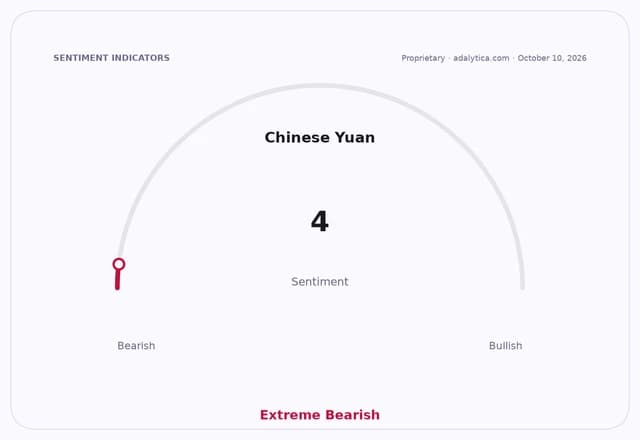
In a lengthy policy statement, the People’s Bank of China said the country “never engaged in competitive depreciation” and does not seek to gain an edge through exchange-rate weakness. The central bank argued that blaming foreign currencies for China’s industrial pressures amounts to dodging domestic reform, while insisting the market plays a “decisive” role in setting the exchange rate.
The timing is telling. EU trade chief Maros Sefcovic is in Beijing to discuss the bloc’s widening deficit, while European leaders from European Central Bank President Christine Lagarde to German Chancellor Friedrich Merz have warned that a cheaper yuan is worsening imbalances. The EU’s trade deficit with China widened to €360.6 billion in 2025, up 15% from a year earlier.
Chinese Yuan — 30-day sentimentadalytica.com
Explore this data interactively — full history, time series and cross-market comparisons.Open AlphaPulse
For investors, the immediate significance is not just diplomatic noise. A stronger yuan would ease pressure on Asian and European competitors, but it could also dampen the price advantage of Chinese exporters that have helped drive the country’s outsized trade surplus. That is especially relevant for sectors tied to artificial intelligence and advanced technology, where Chinese exports are expected to keep expanding this year.
The currency itself has already been firmer than many skeptics expected. The yuan is up about 4% against the dollar this year, even with the interest-rate gap between the U.S. and China still wide. Since the 2005 reform of China’s exchange-rate regime, the PBOC says the currency has appreciated about 23% against the dollar.
Still, the debate is unlikely to fade. Goldman Sachs said in August the yuan screens as undervalued by at least 20% in some of its models, adding to calls for a stronger currency. China dismissed that kind of model-based criticism, saying exchange rates reflect a mix of economic and financial forces, not one-off valuation estimates.
For long-term investors, the bigger story is that Beijing appears determined to defend its export-led competitiveness while slowly rebalancing toward domestic demand in its 2026-2030 growth plan. That suggests the yuan will remain a geopolitical and macroeconomic pressure point, even if the central bank continues to allow market forces to set the day-to-day tone. Worth watching, especially for exporters, importers and anyone invested in China-linked stocks or currency-sensitive assets.
| Entity | Gains | Losses |
|---|---|---|
| Chinese exporters | ▲Price competitiveness | ▼Stronger yuan |
| European manufacturers | ▲Fairer competition | ▼China’s export surge |
| Beijing/PBOC | ▲Policy flexibility | ▼External pressure |
| FX long-term investors | ▲Rebalancing clarity | ▼Trade-policy uncertainty |