Europe’s lawmakers are now openly pressing Brussels to prepare stronger economic weapons against China, a sign that the bloc’s relationship with Beijing is moving from irritation to active confrontation.
EU lawmakers press tougher China trade measures
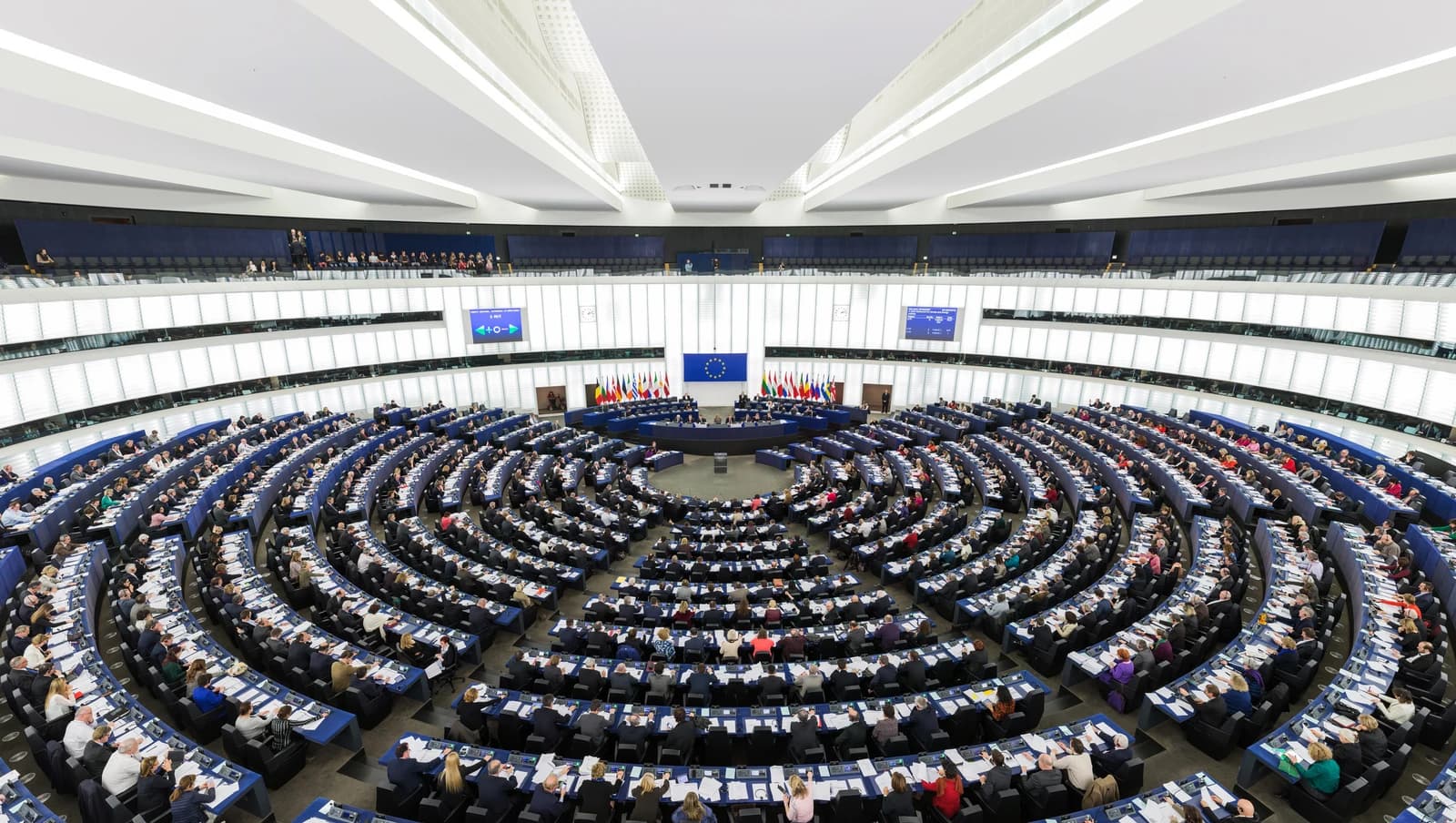
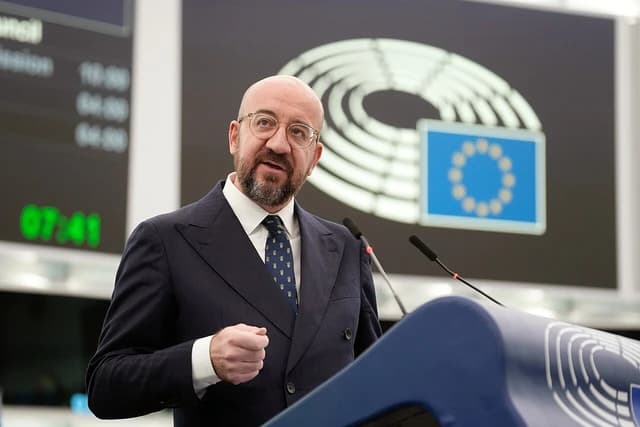
The European Parliament’s landslide vote calling China a “decisive enabler” of Russia’s war in Ukraine matters because it gives political cover for measures that could hit trade, investment and supply chains across Europe. That includes possible use of the EU’s Anti-Coercion Instrument, one of the bloc’s most powerful retaliatory tools, if Beijing uses its grip on critical raw materials to squeeze European industry.
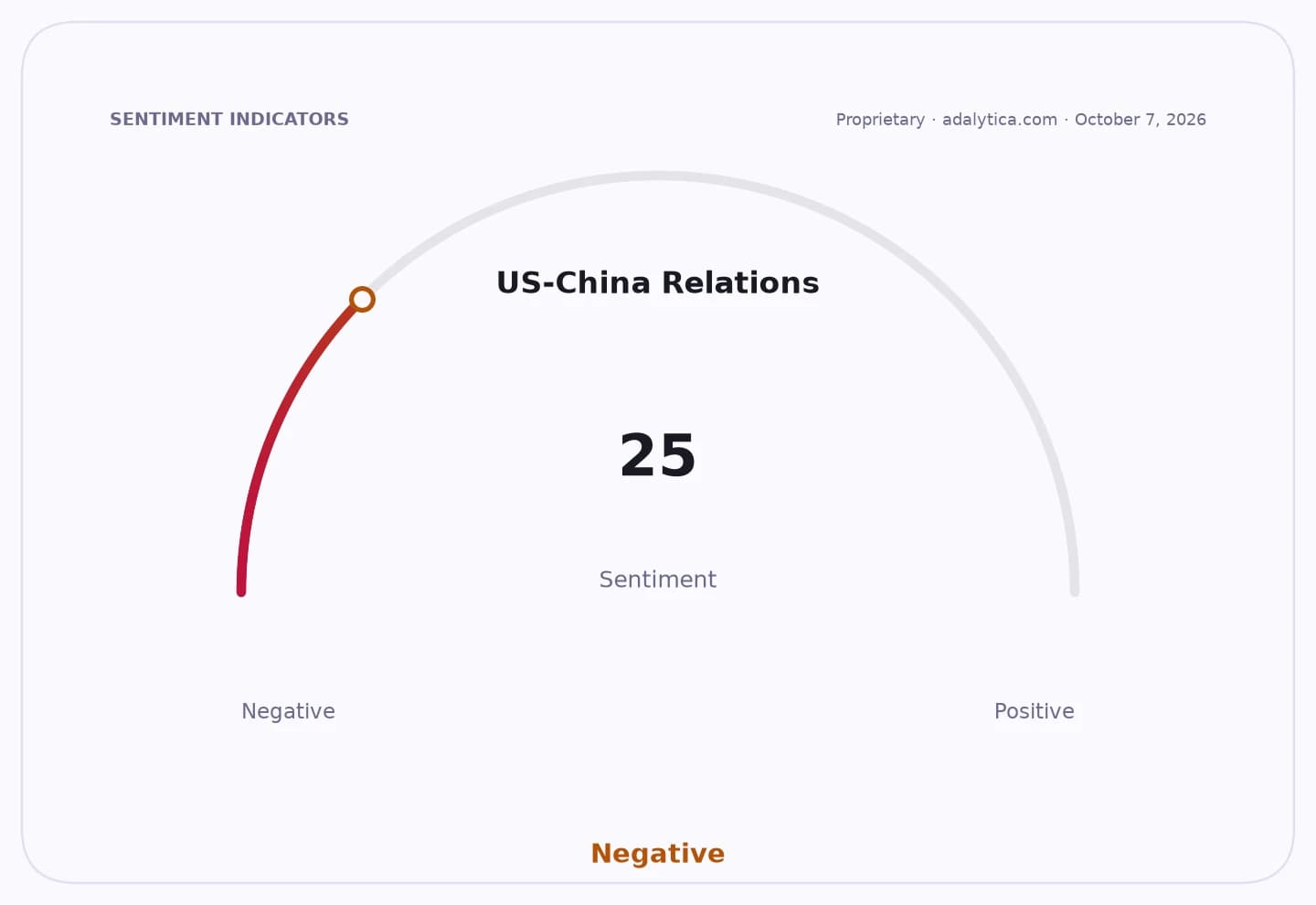
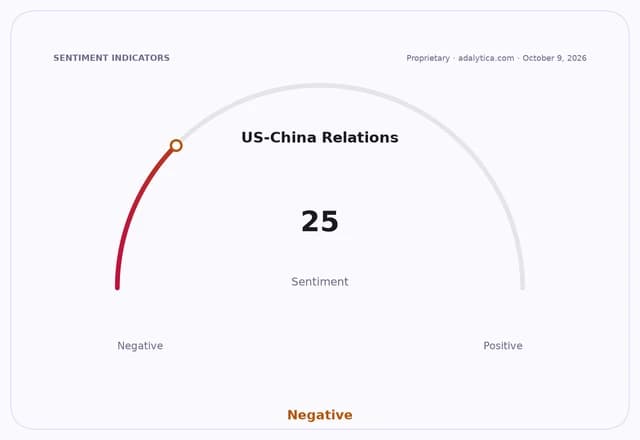
Sentiment IndicatorsⓘProprietary · adalytica.com · October 9, 2026
This is a snapshot — live sentiment, awareness and momentum for 130+ markets update continuously in the dashboard.Open AlphaPulse
For investors, the message is clear: the China-Europe trade relationship is becoming a bigger policy risk, not just a diplomatic one. Companies tied to rare earths, automotive parts, defence equipment and clean-tech components face more uncertainty around sourcing, pricing and access. The stakes are especially high because Europe depends heavily on Chinese processing of strategic minerals, and the continent learned in 2025 how quickly Beijing can use export controls as leverage.
The resolution passed 454 to 86, with 110 abstentions, underscoring how broad the concern has become inside the European Parliament. Lawmakers said China’s behavior extends well beyond trade, citing dumping, spying and support for Moscow’s war machine. That combination is politically potent in Europe, where concerns about industrial competitiveness are now colliding with security worries.
The timing is what makes this more than symbolic. EU Trade Chief Maroš Šefčovič was flying to Beijing for crunch talks aimed at rebalancing a relationship that has become more strained as every EU member now runs a trade deficit with China. At the same time, Germany and France have already hardened their stance, calling for a new trade tool that could allow the Commission to cut off market access if needed.
That is why this matters economically. Europe is not just debating values; it is debating how much dependence it can tolerate in sectors that underpin manufacturing, defence and the energy transition. If Brussels follows through with diversification rules and the Anti-Coercion Instrument, the result could be slower trade, higher input costs and a more fragmented global supply chain.
For investors, the likely beneficiaries are companies and countries that can help Europe reduce reliance on China, from mining and processing alternatives to defense and industrial suppliers outside the Chinese ecosystem. The losers are more exposed importers, Chinese exporters to Europe and multinationals that depend on frictionless access to Chinese raw materials.
The bigger takeaway is that Europe is starting to treat China the way it now treats a strategic rival: cautiously, defensively and with more willingness to use economic pressure in return. That does not mean a full decoupling, but it does mean the days of assuming stable EU-China trade ties are over. Long-term investors should watch for more policy actions, not fewer, and keep China-linked supply chains on the watchlist.
| Entity | Gains | Losses |
|---|---|---|
| EU policymakers | ▲More leverage over China | ▼Higher risk of retaliation |
| Chinese exporters | ▲— | ▼Greater trade barriers |
| European firms sourcing critical minerals | ▲Supply diversification push | ▼Higher costs, delays |
| U.S. allies and alternative suppliers | ▲New demand and opportunity | ▼— |