China’s decision to launch an anti-dumping probe into a European Union chemical days before high-level trade talks underscores how quickly the bloc’s economic dispute with Beijing is hardening into a broader industrial and geopolitical fight.
China Opens EU P-Nitrotoluene Dumping Probe
The commerce ministry said it will investigate whether low-priced p-nitrotoluene from the EU is being dumped in the Chinese market, a move that comes less than a week before EU Trade Commissioner Maroš Sefčovič arrives in Beijing for talks meant to prevent the conflict from escalating. The timing matters: both sides are using trade-defence tools more aggressively, raising the odds that negotiations become less about compromise and more about managing retaliation.
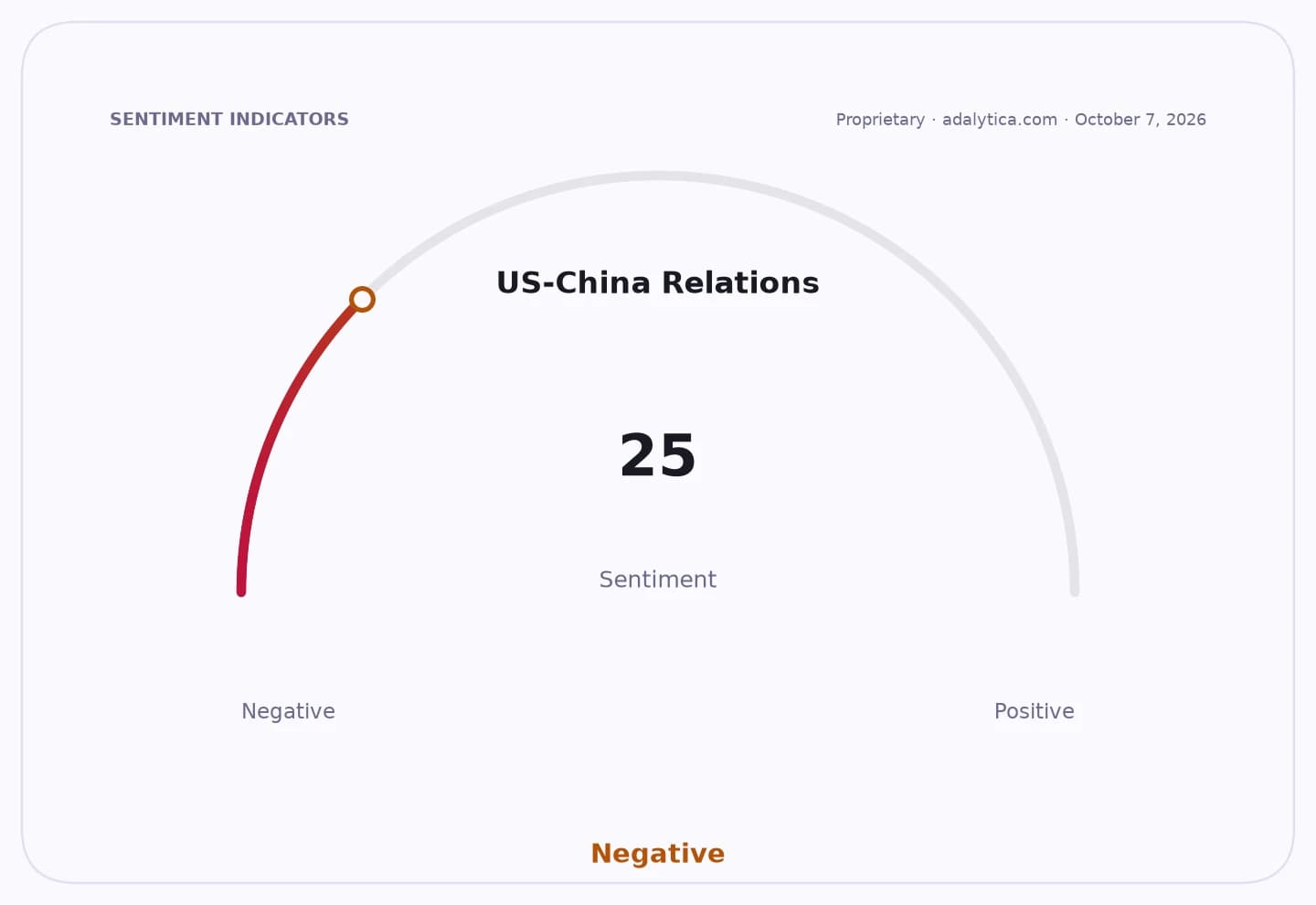
Sentiment IndicatorsⓘProprietary · adalytica.com · October 7, 2026
This is a snapshot — live sentiment, awareness and momentum for 130+ markets update continuously in the dashboard.Open AlphaPulse
The chemical is used in dyes, pharmaceuticals and pesticides, making the case relevant beyond one narrow product line. Anti-dumping probes are a standard WTO-sanctioned response when imports are alleged to be sold below cost or below home-market prices, but they also function as leverage. China’s investigation follows an EU probe opened in September into polyvinyl chloride imports, including from China, and signals that Beijing is prepared to answer Brussels’ trade actions with its own pressure points.
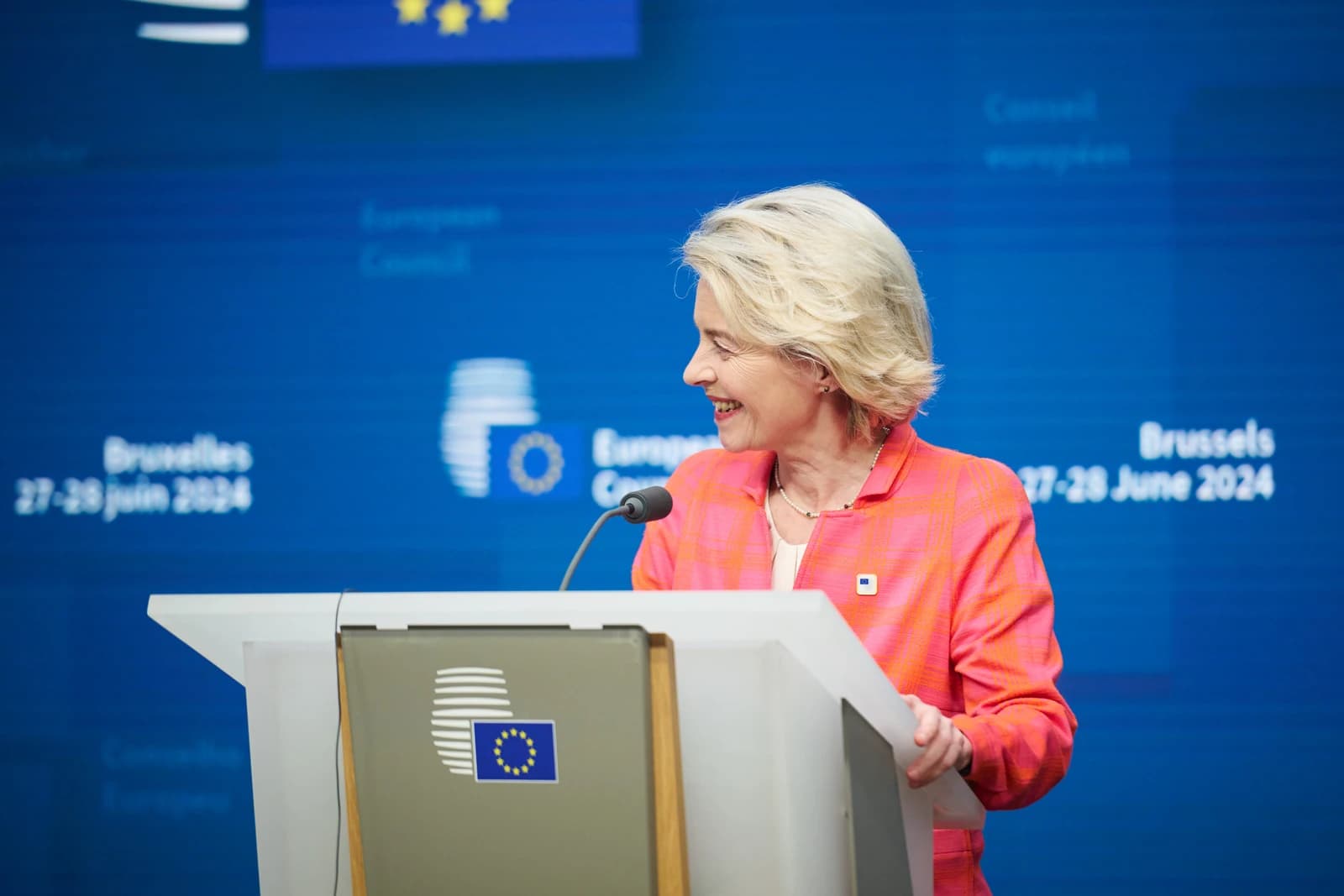
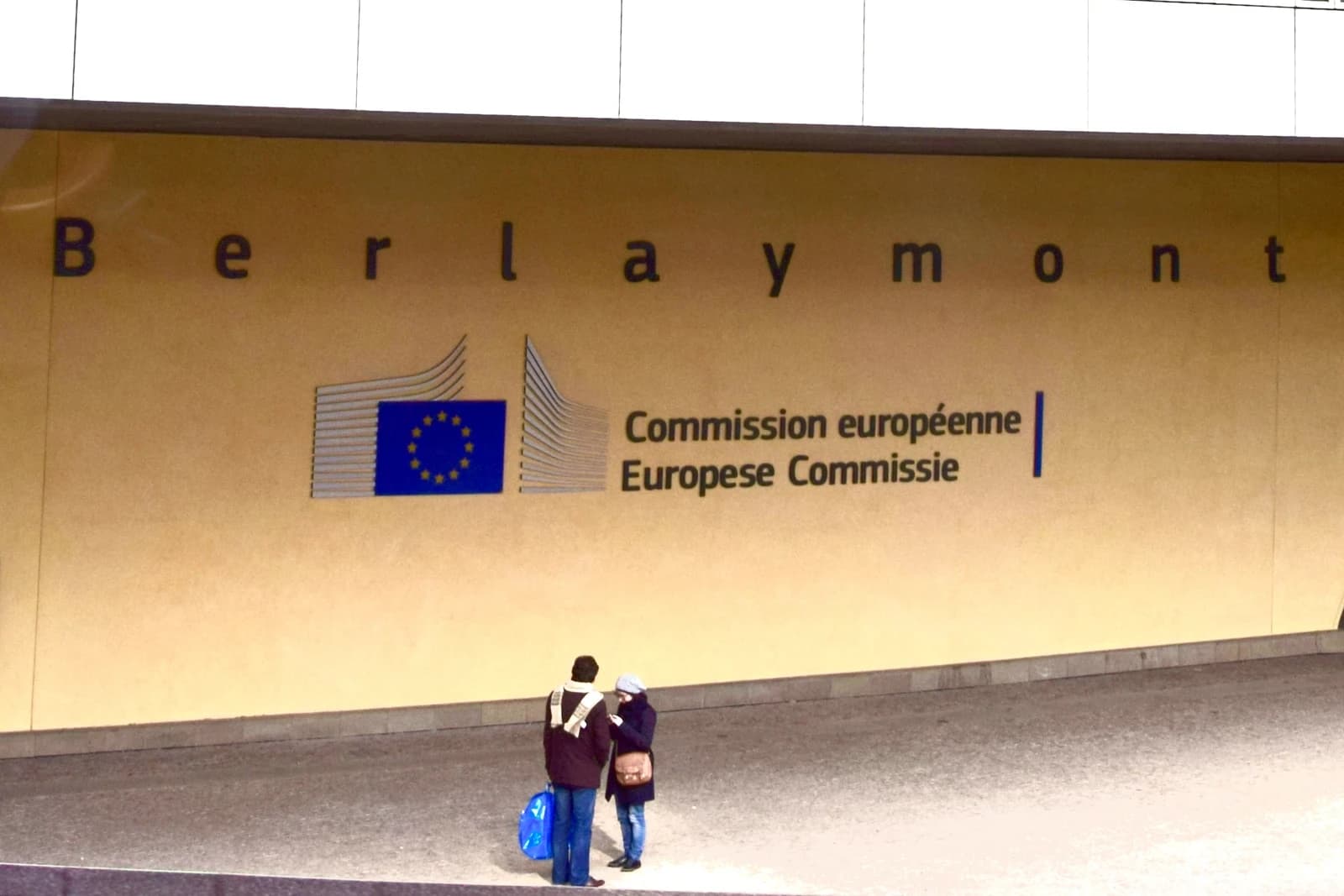
For Europe, the stakes are economic as well as diplomatic. Brussels says its trade deficit with China runs at about €1 billion a day, and Commission President Ursula von der Leyen has already said the EU opened 30 trade-defence investigations in a year, nearly triple its normal pace, as Chinese imports rose 45% over five years. That backdrop helps explain why the bloc is pressing for something concrete from Beijing, including assurances on export restraint and rare earth supplies, before leaders meet in Brussels later this month.
For investors, the broader message is that US-China trade détente does not translate into a calmer global trade environment. Instead, frictions are shifting toward other major corridors, especially Europe-China. That keeps pressure on sectors exposed to cross-border industrial trade, from chemicals and pharmaceuticals to advanced manufacturing and specialty materials. European exporters to China face the risk of duties, delays and heightened scrutiny, while Chinese producers may face further EU retaliation if Brussels decides dialogue has failed.
The market impact is likely to remain more sector-specific than index-wide, but the politics are increasingly binary. If the Beijing talks produce even modest commitments on market access or export controls, the dispute could stay contained. If they do not, both sides have already signalled that harsher measures are on the table, increasing the risk that trade defence becomes a standing feature of the relationship rather than a negotiating tactic.
| Entity | Gains | Losses |
|---|---|---|
| China domestic chemical producers | ▲Protection from EU competition | ▼Higher input costs if retaliation follows |
| EU chemical exporters | ▲Potential leverage in talks | ▼Probe risk and tariff exposure |
| Brussels / European Commission | ▲Bargaining power in negotiations | ▼Pressure to impose tougher measures |
| Global industrial users | ▲Short-term supply clarity if talks succeed | ▼Higher volatility in trade and pricing |