The European Union is preparing to trim its reliance on China in strategic sectors without severing trade ties, a push that could reshape supply chains for batteries, electric vehicles, chips and solar panels while lifting costs across the bloc’s clean-tech and electronics industries.
EU plans to cut China reliance in strategic sectors

Brussels sees its current trade relationship with China as unsustainable because Europe remains heavily dependent on Chinese inputs such as rare earths, processed lithium, magnesium and solar components that sit at the center of the region’s green and digital transition. The policy response is expected to focus on diversification, more domestic production and tighter protection of critical supply chains, rather than a rupture with Beijing.
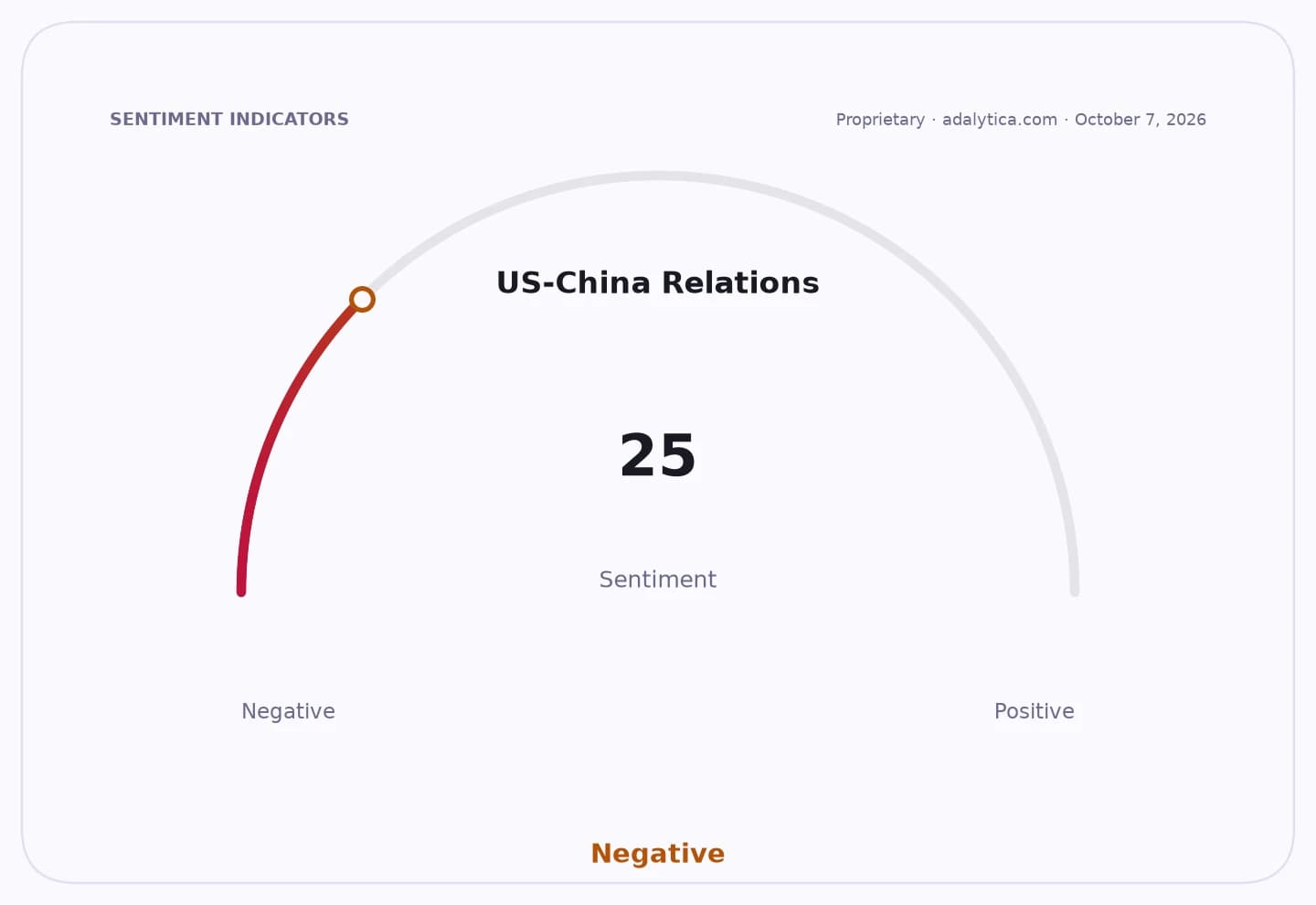
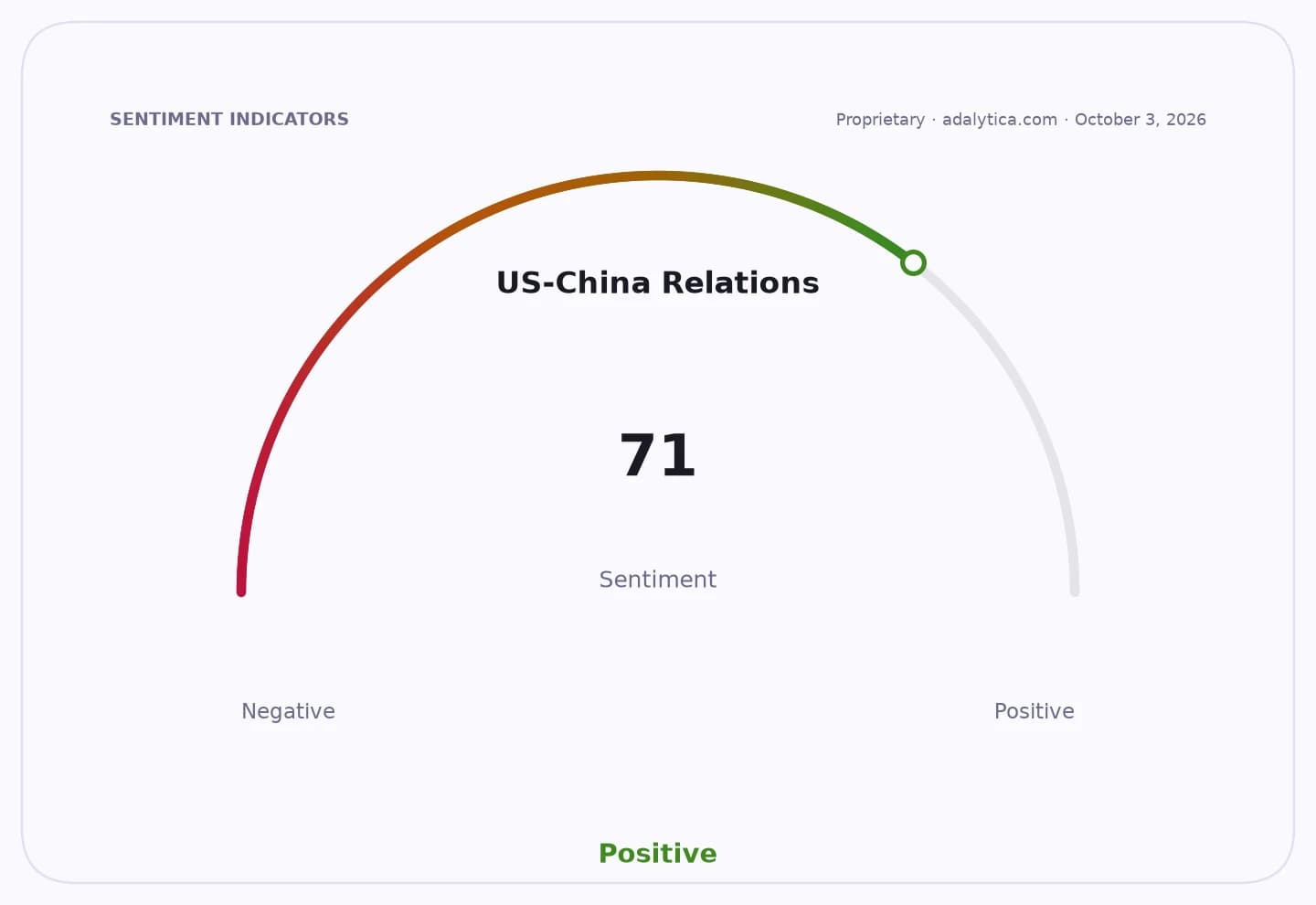
Sentiment IndicatorsⓘProprietary · adalytica.com · October 7, 2026
This is a snapshot — live sentiment, awareness and momentum for 130+ markets update continuously in the dashboard.Open AlphaPulse

That matters because Europe is trying to reduce a geopolitical vulnerability without triggering a full-scale trade shock. A sharper split from China would risk higher input prices for manufacturers already battling weak demand and thin margins, while leaving the bloc exposed to supply disruptions in materials it cannot easily source elsewhere.
The plan builds on existing EU efforts including the Critical Raw Materials Act, the Chips Act and the Net-Zero Industry Act, all aimed at bringing more strategic production back to Europe and reducing exposure to foreign suppliers. The challenge is political as much as economic: the Commission needs member-state backing, and industry is likely to push back against measures that could make batteries, EVs and electronics more expensive.
Investors have reason to pay attention because any move to onshore or diversify supply chains could benefit European miners, industrial groups and selected semiconductor suppliers, while pressuring import-dependent manufacturers and retailers. Chinese exporters of raw materials and components would also face a more gradual erosion of market share if the EU succeeds in shifting procurement.
The issue sits against a broader backdrop of shifting global trade lines, with the U.S. and China recently agreeing to reduce tariffs on $30 billion of goods under a wider $60 billion framework. Even as Washington and Beijing ease some tensions, Europe is moving in the opposite direction on resilience, signaling that trade fragmentation remains a live investment theme.
For now, Brussels is trying to walk a narrow line: cutting risk without cutting commerce. The next test is whether the EU can turn strategy into enforceable policy without raising costs so much that its own industrial base pays the price.
| Entity | Gains | Losses |
|---|---|---|
| EU strategic industries | ▲Better supply security | ▼Higher input costs |
| Chinese raw material suppliers | ▲Slower breakup risk | ▼Market share erosion |
| European miners and chip makers | ▲More policy support | ▼Execution pressure |
| EV, battery and solar manufacturers | ▲Fewer disruption risks | ▼Margins squeezed |