Germany and France are pushing the European Union to arm itself with faster, stronger tools to counter what they describe as market distortions from third countries, a move aimed squarely at China and one that could harden Brussels’ trade posture ahead of a key EU leaders’ summit.
Germany and France Push EU Trade Retaliation Tools
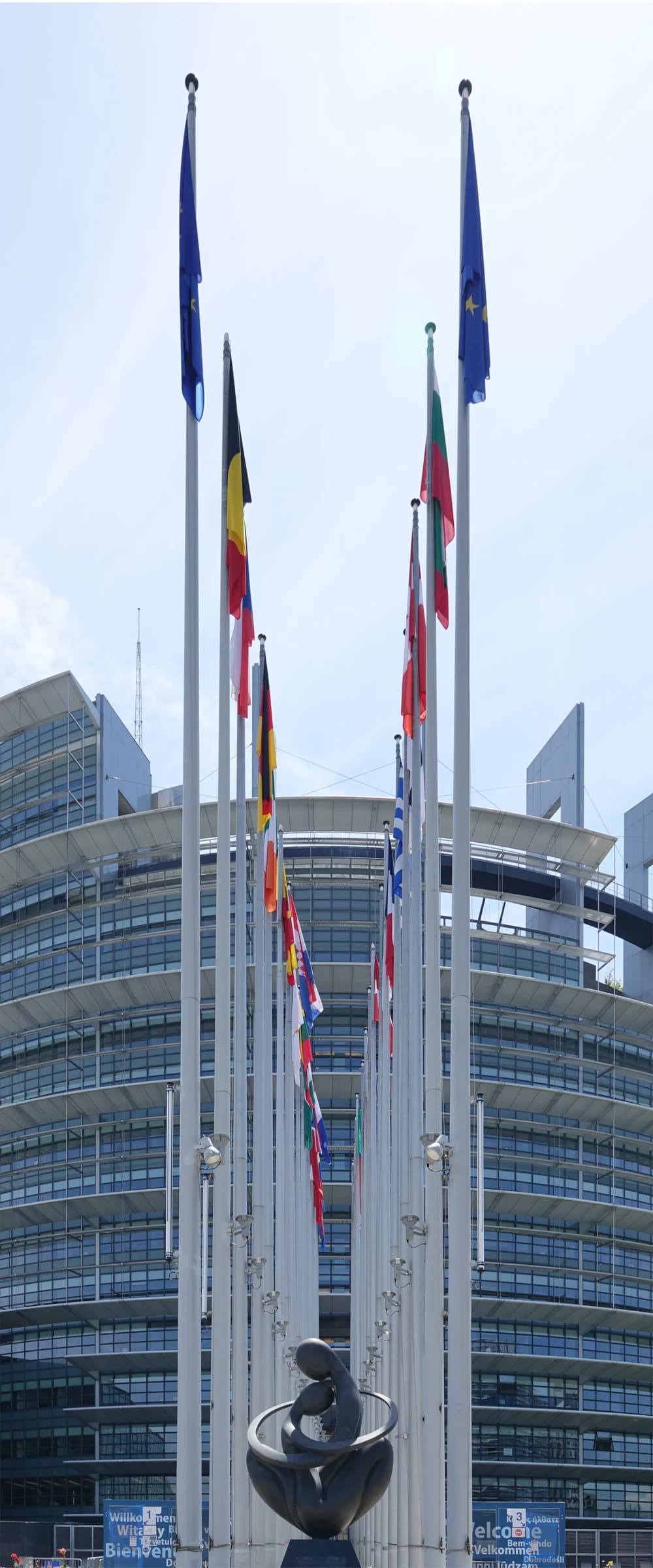
The joint appeal from German Chancellor Friedrich Merz and French President Emmanuel Macron matters because Europe’s two biggest economies are now publicly pressing the bloc to move beyond complaints and toward concrete retaliation, including the possible exclusion of offending firms from the single market. For investors, that raises the risk of a broader escalation in Europe’s trade conflict with China just as global supply chains and industrial pricing remain fragile.
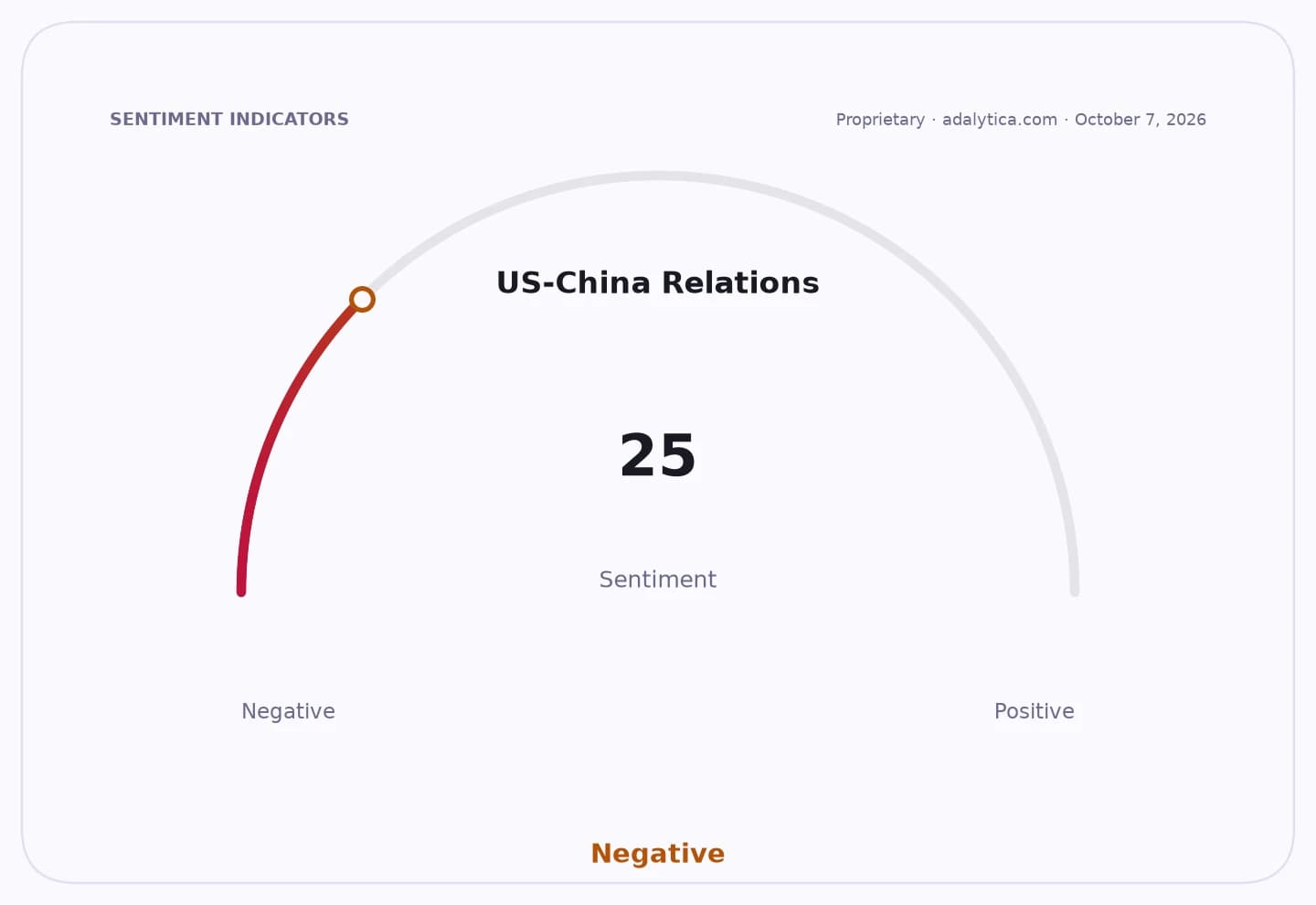
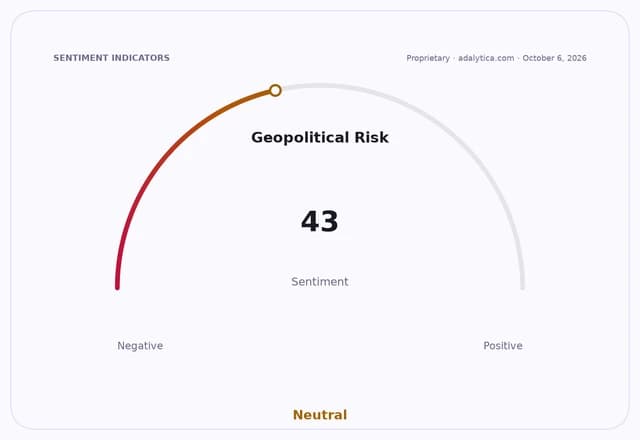
Sentiment IndicatorsⓘProprietary · adalytica.com · October 6, 2026
This is a snapshot — live sentiment, awareness and momentum for 130+ markets update continuously in the dashboard.Open AlphaPulse
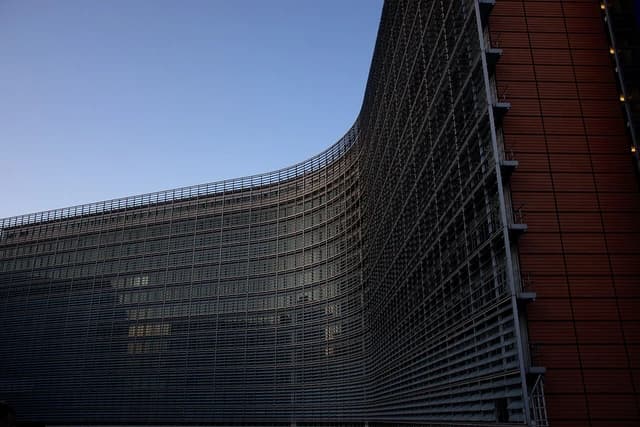
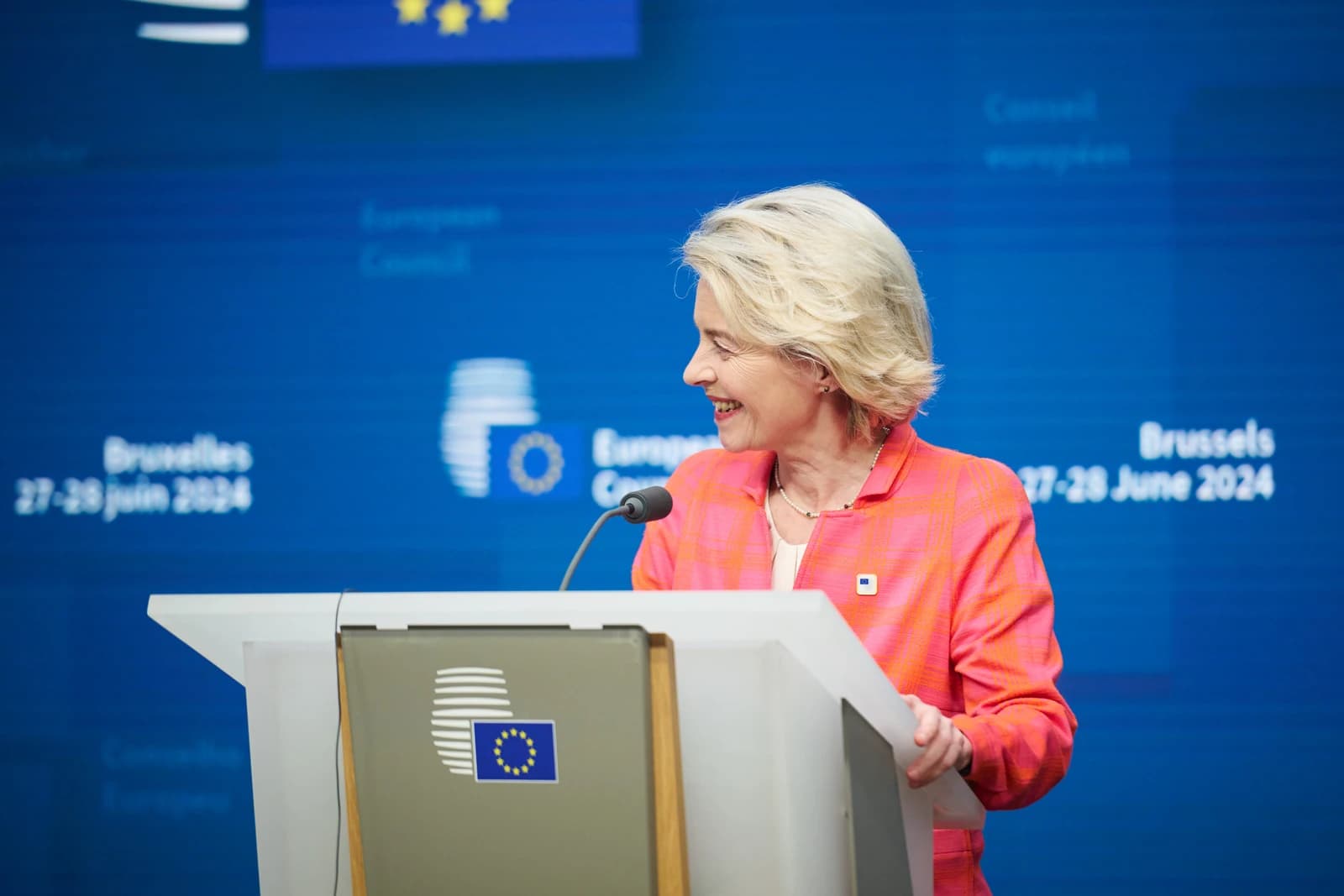
In a letter to European Commission President Ursula von der Leyen, the two leaders warned that unfair competition is undermining equal conditions for European companies, weakening the EU’s industrial base and increasing geopolitical dependence. They said Brussels needs “urgent” measures to diversify supply chains and reduce risk, and called for a “credible” instrument to react decisively if needed.
The proposal comes as European policymakers face growing political pressure over imports that Germany and France say fail to meet EU standards, including consumer-safety rules, and benefit from exchange-rate misalignments that distort competitiveness. Their language stops short of naming China directly, but the target is clear enough for markets already watching for a tougher EU stance on Chinese exports, subsidies and industrial overcapacity.
The European Commission responded positively, saying the letter adds to the debate on how the bloc should respond to geoeconomic risks and macroeconomic imbalances, and that it aligns with its own work on competitiveness and trade relations, including with China. The issue is expected to stay on the agenda when EU leaders meet in Brussels on Oct. 15-16.
For markets, the immediate focus is whether Brussels turns this political signal into formal action that could affect import flows, industrial margins and sentiment toward China-linked assets. Any move toward anti-distortion measures or market exclusion tools would likely support European manufacturers seeking protection, while raising uncertainty for exporters to Europe and for sectors exposed to Chinese demand.
Adalytica’s U.S.–China Relations Sentiment gauge remains neutral at 61, but awareness is at an extreme-fear reading of 7, underscoring how sensitive markets are to fresh trade frictions. The broader geopolitical risk gauge also sits in extreme-fear territory on awareness, suggesting investors are already on alert for policy shocks.
China-linked equities and Europe-exposed industrial names will now be watched for follow-through as the Brussels debate intensifies. The next catalyst is the October summit, where EU leaders could decide whether to translate France and Germany’s warning into concrete trade action.
| Entity | Gains | Losses |
|---|---|---|
| EU manufacturers | ▲More protection | ▼Less competition from imports |
| Chinese exporters | ▲Access to EU market | ▼Risk of tougher restrictions |
| European Commission | ▲Policy leverage | ▼Pressure to act fast |
| Investors in Europe trade | ▲Clarity if measures emerge | ▼Volatility if escalation deepens |